By Charles West April 14, 2026
Walk into any catering planning meeting today and the conversation sounds different than it did a decade ago. Alongside the usual questions about headcount and venue logistics, clients are asking whether the menu can be fully plant-based, whether there are substantial vegan options beyond a token salad, and whether the food sourcing aligns with their environmental values. This shift is not a passing trend driven by a vocal minority. It reflects a genuine and sustained change in how a large and growing segment of the population thinks about food, about health, about environmental responsibility, and about what a thoughtful host looks like in the current moment.
Vegan catering trends have moved from the fringes of the industry to the mainstream, and caterers who have not adapted their menus and their thinking to reflect this shift are finding themselves at a competitive disadvantage as clients bring plant-based expectations to every kind of event, from corporate lunches to weddings to large-scale public gatherings. The question for most catering businesses today is not whether to offer plant-based options but how to do it well enough that the food is genuinely impressive rather than merely compliant with a dietary requirement.
Understanding Why Demand Has Grown So Consistently
The growth in demand for plant-based event menus is driven by several overlapping motivations that are worth understanding clearly, because the motivation shapes what clients actually want and how caterers should respond. Health consciousness is one significant driver. A growing body of research connecting plant-based diets with reduced risk of chronic disease has persuaded a meaningful portion of the population to reduce their consumption of animal products, and those dietary choices do not pause for catered events. Environmental concern is another powerful driver, particularly among younger clients and corporate event planners working for companies with sustainability commitments.
The carbon footprint of animal agriculture is well documented, and for clients who have made a connection between their food choices and their environmental values, a menu heavy with beef and dairy feels inconsistent with the message their event is meant to send.
The growth of veganism and vegetarianism as ethical commitments rather than purely dietary ones has also contributed, as has a more pragmatic factor: the simple recognition among hosts that having one or two token vegetarian options at an event leaves a meaningful portion of guests poorly served and feeling like an afterthought. Sustainable catering foods are increasingly understood not just as an ethical choice but as a hospitality choice, reflecting a host’s attentiveness to the full range of their guests’ needs and values.
What Plant-Based Catering Actually Means in Practice
There is sometimes confusion in catering conversations between plant-based menus and merely vegetarian ones, and being clear about the distinction helps caterers respond accurately to what their clients are actually requesting. A vegetarian menu excludes meat and fish but may include dairy products and eggs. A vegan menu excludes all animal products, meaning no meat, fish, dairy, eggs, honey, or other animal-derived ingredients. A plant-based menu, which is the term increasingly used in professional catering contexts, typically means primarily or wholly vegan, with an emphasis on whole food ingredients like vegetables, legumes, grains, nuts, seeds, and fruit rather than heavily processed meat substitutes.
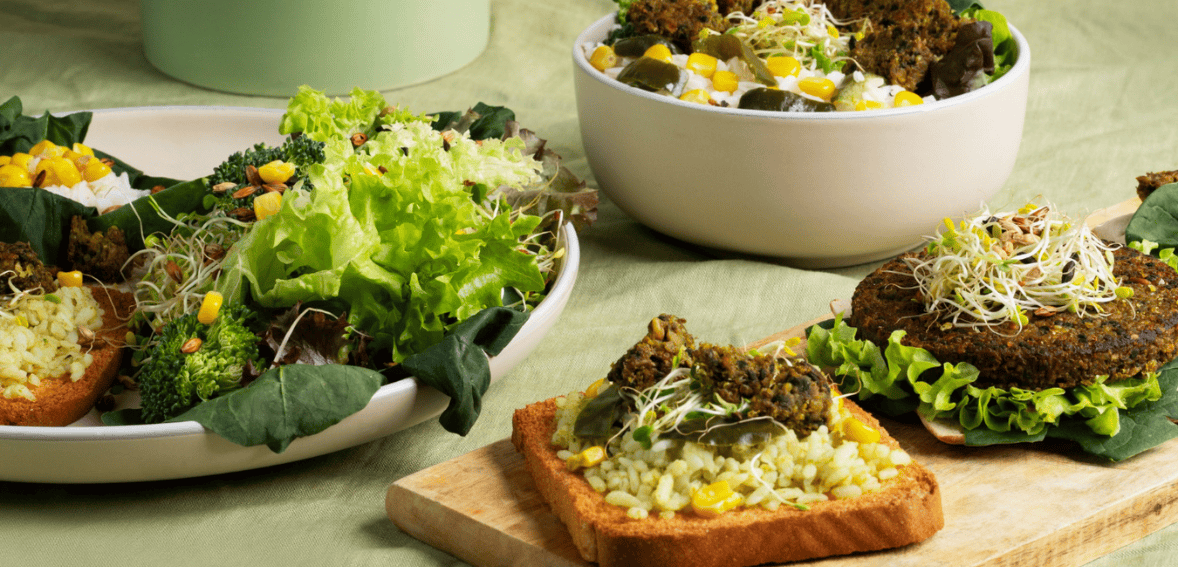
Clients requesting plant-based event menus are generally not asking for a collection of processed vegan burgers and cheese analogs. They are asking for food that is genuinely centered on the abundance and variety of the plant world, prepared with the same skill and attention to flavor that makes any good catered meal memorable. This distinction matters because it shapes how caterers approach menu development.
The goal is not to replicate conventional meat-and-dairy dishes with inferior substitutes but to create a menu that celebrates what plant-based cooking does best, which is extraordinary when the right techniques and ingredients are applied. Vegetarian catering options that take this approach are consistently better received than ones that treat plant-based as a limitation to be worked around rather than a creative opportunity to be embraced.
The Corporate Event Landscape
Corporate events represent one of the largest and most consistent markets for catering services, and they have become a significant driver of the growth in vegan catering trends in recent years. Corporate clients, particularly large companies with environmental sustainability commitments or diversity and inclusion initiatives, are increasingly requesting menus that are predominantly or entirely plant-based, and they are doing so not just as a dietary accommodation but as an expression of organizational values. A company that has published ambitious carbon reduction targets and then serves a menu of beef tenderloin and butter-laden sauces at its annual client dinner is creating an obvious inconsistency that some clients find jarring enough to mention.
Caterers who can offer plant-based event menus that are genuinely impressive, that feel sophisticated and celebratory rather than austere and compromising, are finding strong demand in the corporate sector. The practical requirements of corporate catering, which often involve large volumes, tight timelines, and service across multiple locations or simultaneous events, also make plant-based menus operationally attractive in some respects, since many plant-based dishes hold and transport well and can be prepared in large quantities without the temperature management complexity that certain meat and seafood dishes require.
For caterers looking to build stronger relationships in the corporate events market, developing a genuinely excellent plant-based menu offering and being able to speak fluently about its sustainability credentials is increasingly a business development necessity rather than an optional enhancement.
Weddings and Social Events: Changing Expectations
Wedding catering is a domain where plant-based options have historically been treated as a niche requirement, something to arrange quietly for the handful of vegan guests on the list while everyone else enjoyed the main menu. That model is increasingly outdated, as a growing number of couples are choosing plant-based or predominantly plant-based menus for their entire wedding reception as a reflection of shared values, personal dietary choices, or simply because they want food that is genuinely exciting rather than conventionally predictable. The wedding catering market has also become more sophisticated in its expectations of what plant-based food can look like at a celebratory event.
Couples who eat plant-based food regularly know that it can be extraordinary, and they are not going to be satisfied with a meal that signals compromise. They want the full sensory experience of a beautiful, memorable wedding meal, delivered through plant-based cooking that is as ambitious and skillfully executed as any conventionally catered reception.
Caterers who have invested in genuinely developing their plant-based repertoire, who can present a wedding tasting menu of plant-based dishes that stand on their own merits as exceptional food, are finding that this capability is a genuine differentiator in a competitive wedding market. Sustainable catering foods have a natural fit with the values of many couples planning their weddings today, and the caterers who can deliver on that fit with real culinary excellence are in a strong competitive position.
Building a Plant-Based Menu That Impresses
The difference between a plant-based menu that generates genuine excitement and one that produces polite tolerance comes down almost entirely to culinary ambition and technique. Many caterers approach plant-based menu development by starting from conventional dishes and removing the animal products, which almost always produces inferior results because the dish was designed around those ingredients and the removal of them leaves a gap that is difficult to fill convincingly.
The better approach is to start from the plant world itself and build dishes around the intrinsic qualities of vegetables, legumes, grains, and other plant ingredients, asking what techniques bring out the best in these ingredients rather than asking how to make them approximate something else. Roasted and charred vegetables develop complex flavors that raw or steamed preparation cannot match.
Legumes prepared with care and seasoned generously have a richness and depth that needs no apology. Fermented and cured plant-based ingredients add the umami notes and savory complexity that make food satisfying in a deep rather than just a pleasant way. Nut-based preparations can achieve textures and richness comparable to dairy when approached with the right techniques.
Plant-based event menus that draw on these techniques and that are developed by cooks with genuine enthusiasm for plant-based cooking rather than reluctant compliance tend to be among the most distinctive and most talked-about food at any event. The guests who expected to be slightly disappointed discover they are not, and that discovery is one of the most powerful endorsements a caterer can receive.
Protein and Satiety: Addressing the Real Concern
One of the most persistent anxieties among clients considering a plant-based catering menu is whether the food will be satisfying enough, which is usually a concern about protein and satiety rather than flavor. It is a legitimate practical concern, because a menu of lightly dressed salads and vegetable sides will leave guests hungry regardless of how well executed those dishes are. Addressing this concern requires menu design that takes protein and caloric density seriously from the beginning rather than as an afterthought. Legumes are the cornerstone of protein-rich plant-based catering, and they encompass an enormous range of ingredients from lentils and chickpeas to black beans, cannellini beans, edamame, and beyond.
Tofu and tempeh, when prepared with intention rather than blandly steamed or simply seasoned, are genuinely satisfying and versatile ingredients that work across a range of cuisines and service formats. Nuts and seeds contribute both protein and healthy fat in ways that increase satiety. Whole grains like quinoa, farro, and freekeh provide protein alongside complex carbohydrates in dishes that hold well for catering service. Vegetarian catering options that combine legumes, grains, and vegetables in well-composed dishes create plates that are as nutritionally complete and physically satisfying as conventional catered meals, and presenting this clearly to clients who have the satiety concern can help them feel confident about committing to a plant-based menu.
Global Cuisines as a Source of Plant-Based Inspiration
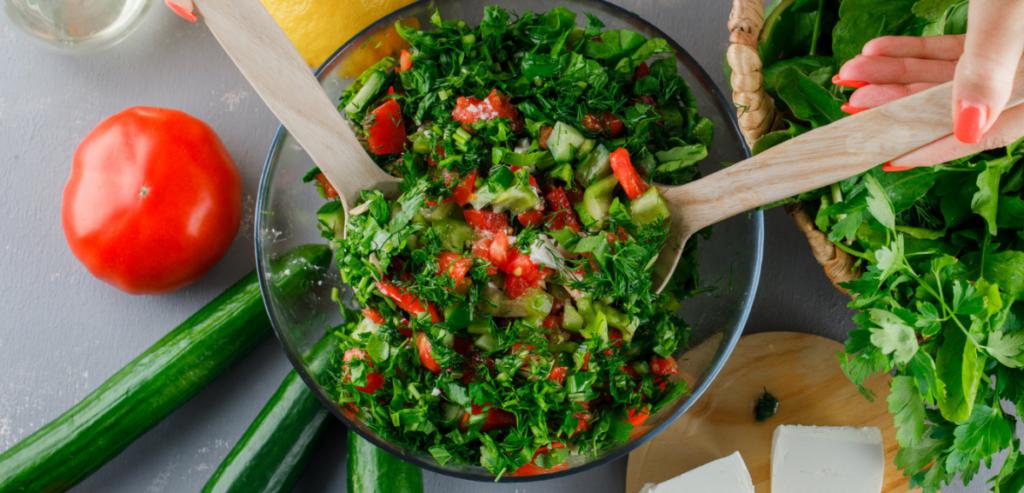
One of the most practical resources for caterers developing plant-based menus is the enormous tradition of plant-based and plant-forward cooking that exists across global culinary traditions, many of which developed sophisticated and delicious plant-based cooking long before it became a contemporary trend in Western food culture. Indian cuisine offers an extraordinary repertoire of plant-based dishes, from dal and chana masala to complex vegetable curries and rice preparations, that are rich, satisfying, and deeply flavorful without any compromise or substitution. Middle Eastern cooking provides a wealth of plant-based staples including hummus, falafel, tabbouleh, stuffed grape leaves, and roasted vegetable preparations that work beautifully in catering formats.
The cuisines of East Asia, especially those of Japan and China, have many years of experience preparing tofu and vegetables that lend themselves easily to vegetarian catering menus. The cuisine of Ethiopia, which features various spices in dishes made from lentils and vegetables, accompanied by injera, presents a feast for the eyes and palate that is unlikely to be duplicated anywhere else.
Mediterranean cooking, known for its use of olive oil, vegetables, beans, and grains, makes an ideal template for plant-based menus that exude abundance and festivity rather than deprivation. To draw on these cuisines is not cultural appropriation; it is simply good menu planning, which taps into centuries of accumulated knowledge about plant-based cooking to create truly outstanding menus.
Sustainable Catering Foods: The Environmental Story
The sustainability dimension of plant-based catering is increasingly important to clients and increasingly central to how caterers position their plant-based offerings. The environmental case for plant-based eating is well established: producing plant foods generally requires significantly less land, water, and energy than producing equivalent calories from animal sources, and generates substantially lower greenhouse gas emissions. For events with sustainability as a core value, choosing a plant-based or predominantly plant-based menu is one of the most significant single decisions available for reducing the environmental footprint of the event. But sustainable catering foods involve more than simply choosing plant-based ingredients.
The source of the ingredients, how they were produced, and how they got to the kitchen is important too. Choosing to procure the vegetables, beans, and grains from the farms in close proximity when they are in season will help reduce transportation emissions while supporting the local food system, and this is something that clients with strong environmental values will appreciate and be able to speak to during their event.
Seasonal menu planning creates a much tastier menu because of its emphasis on using items that are currently in season, rather than transporting food across the globe, but it also tells an easier story of sustainability since it makes sense to use the things that are locally abundant at the time. Catering services who have a particular story to tell about their sourcing practices and are able to speak to the names of the farms and the concept of seasonal sourcing will appeal to the environmentally-conscious client looking to pay a premium.
Practical Considerations for Catering Operations
Integrating plant-based event menus into a catering operation that has historically been built around conventional food service requires attention to several practical considerations that are easy to overlook in the excitement of menu development. Cross-contamination is a real concern for guests with allergies or strong ethical commitments to veganism, and it requires clear protocols in the kitchen for keeping plant-based preparations separate from animal product preparations.
Labeling at service is important, not just to identify which dishes are plant-based but to provide enough information about ingredients that guests with specific allergies can make informed choices without having to interrogate the service staff. Staff training matters as well, because team members who cannot describe the dishes confidently or who do not understand the difference between vegan and vegetarian options undermine the credibility of the offering.
The pricing of plant-based menu items will need to be recalibrated somewhat from traditional practices since the cost of top-notch plant-based materials, especially organic vegetables, exotic legumes, and artisanal fermentations, can match or even exceed that of animal proteins when obtained at the level of quality demanded by a competent catering business. There is a premiumization trend in vegan catering where customers expect and are prepared to pay for excellent plant-based meals.
Marketing Your Plant-Based Capability
Having a strong plant-based catering offering is only commercially valuable if potential clients know about it, and many catering businesses underinvest in communicating their plant-based capabilities to the market. Photography of plant-based dishes needs to be as beautiful and as prominent in marketing materials as photography of conventional dishes, because visual representation signals what the business values and what it is proud of. Case studies and testimonials from clients who chose plant-based menus for significant events provide social proof that is particularly persuasive for clients who are considering but uncertain about committing to a plant-based menu.
Communicating actively about our approach to sustainable sourcing, developing seasonally appropriate menus, and the philosophy underlying the plant-based dish allows us to construct a story that will resonate with our socially-minded clients who are selecting a caterer that aligns with their own principles. Building awareness within the event and corporate catering industry regarding plant-based dishes, engaging in discussions surrounding sustainability in events, and reaching out into the venues where environmentally-minded clients seek out suppliers establishes us as leaders in the industry rather than followers that have simply responded to trends that have passed by already.
Conclusion
The growth in demand for plant-based catering menus is not a temporary accommodation for a niche audience. It is a structural shift in how events are planned, how clients express their values through their hospitality, and how caterers demonstrate their culinary range and their responsiveness to a changing food culture. Vegan catering trends have moved into the mainstream of professional event catering, and they will continue to grow as environmental awareness deepens, as plant-based eating becomes more common across all demographics, and as clients develop higher expectations for what plant-based food can taste like when prepared with genuine skill.
Plant-based event menus that are built with culinary ambition, designed for satiety and satisfaction, sourced with environmental intention, and executed with professional care are not a compromise on the catering experience. They are an expression of what excellent catering looks like when it is fully engaged with the moment it is operating in.
Caterers who have made this investment are finding that it opens doors, builds loyalty, and produces the kind of genuine enthusiasm from guests who expected to be merely adequately fed and found themselves genuinely delighted. That delight is what good catering has always been about, and sustainable catering foods prepared with real skill deliver it as reliably as anything else on the menu.