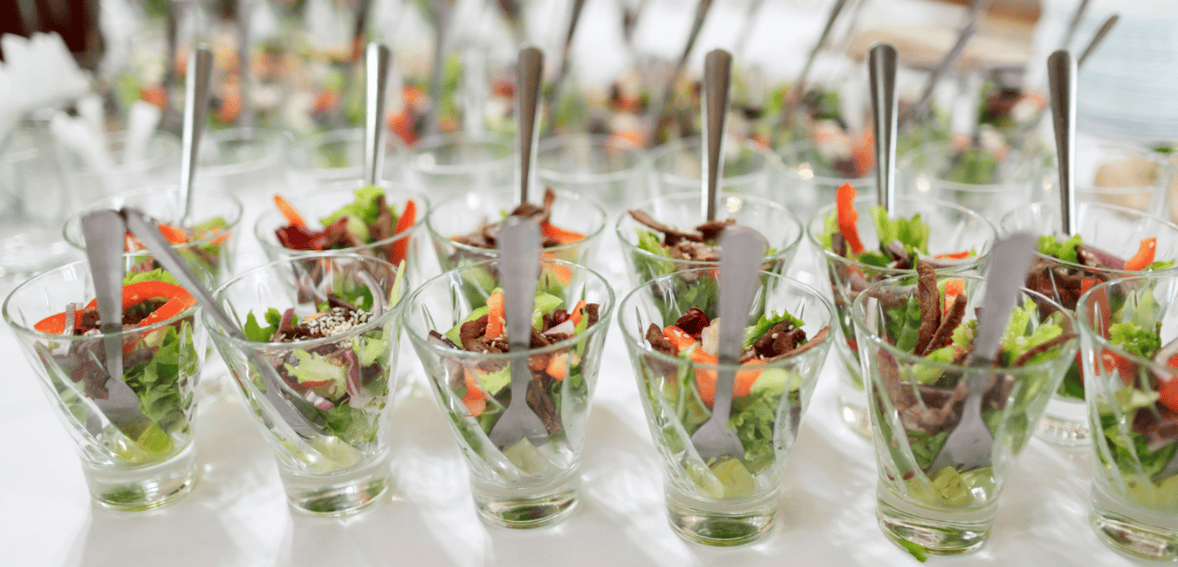
Food at events has historically been designed primarily around pleasure and abundance, with nutritional considerations treated as secondary to the goal of creating an impressive spread that generates positive reactions from guests. This approach made sense in an era when food at celebrations and gatherings was understood as a departure from everyday eating rather than an extension of it, a permission to indulge in ways that regular life did not permit. The understanding of food and its relationship to wellbeing has changed significantly, and with it the expectations that a growing proportion of event attendees bring to the catering table. Healthy catering options are no longer a niche request driven by specific dietary restrictions or medically motivated limitations.
They represent a mainstream expectation among health-aware populations that constitute a significant and growing share of event guest lists across corporate, social, and celebratory contexts. Wellness-focused catering is not about serving food that people feel they should eat while wishing they could eat something else. It is about creating menus that are genuinely delicious, visually compelling, and emotionally satisfying while also being nutritionally thoughtful in ways that leave guests feeling energized and well rather than sluggish and overfed. Clean eating catering that achieves this balance requires the same culinary creativity and technical skill as any other excellent catering, applied through a different set of ingredient choices and preparation priorities.
Defining Health-Conscious Catering Beyond the Label
The phrase healthy catering options is deployed broadly enough in the catering industry that it requires careful definition to be useful as a planning and evaluation standard. At its weakest, the label is applied to menus that simply include a salad or a fruit platter alongside otherwise conventional catering, providing a nominally healthy option without genuinely rethinking the nutritional profile of the overall menu. At its strongest, health-conscious catering involves a fundamental approach to menu design that prioritizes whole, minimally processed ingredients, balanced macronutrient distribution across the meal, cooking methods that preserve nutritional integrity without relying heavily on saturated fats, and presentation that makes the nutritionally thoughtful choices as visually appealing and as culinarily compelling as any conventional catering.
Healthy catering menus derived from such a robust foundation should not consist of menus with all the tasty foods stripped away but instead should consist of menus that rethink the tasty foods through the eyes of nutritional awareness and come up with equally tasty results.
Healthy clean eating caterers really do mean taking high-quality ingredients and preparing them in a manner that does not involve the use of processed ingredients, high levels of salt and sugar, and unhealthy forms of fat like the conventional catering methods do. The preparation and creation of such a meal requires much more thought into the ingredients and menu planning process than conventional meal planning does, which makes excellent healthy catering significantly different from merely healthy meals.
Menu Design Principles for Wellness-Focused Events
Wellness-focused catering menu design follows principles that reflect both nutritional science and culinary craft, and the most successful health-conscious menus apply these principles in ways that produce food that is nutritionally sound without requiring any sacrifice of the pleasure, variety, and visual appeal that make catering genuinely celebratory.
The principle of whole ingredient primacy means that the menu is built around ingredients that are as close to their natural state as possible, with minimally processed whole grains, fresh vegetables and fruits, quality proteins including lean meats, fish, legumes, and dairy, and healthy fat sources including olive oil, nuts, and avocado as the foundation of every dish rather than as garnishes or secondary elements.
The principle of macro balance refers to the menu offering a balanced ratio of carbohydrate, protein, and fat intake, in a manner that sustains energy levels without causing fluctuations associated with meals high in refined carbohydrates. The benefit associated with the concept of macro balance for healthy catering includes that the meals will not cause a sluggishness effect on participants but will give them a satisfying feeling. This is important especially when providing catering services to corporations where employees must remain awake and alert.
The principle of preparation method mindfulness involves selecting foods that require preparation using such techniques like roasting, grilling, and braising to enhance flavor without necessarily using unhealthy methods like deep frying, cream-based sauces, and excessive use of butter. Furthermore, the preparation methods selected must be such that will produce dishes that are not only nutritious but also palatable since culinary skills will also be employed.
Protein-Centered Menu Architecture
The way protein sources are incorporated into a health-conscious catering menu significantly affects both the nutritional quality of the meal and its perceived satisfaction and substance. Clean eating catering that centers quality protein across the menu creates the satiety and sustained energy that guests appreciate, particularly in event contexts where the meal is expected to sustain them through an afternoon of activities or an evening of socializing. Grilled and roasted proteins including chicken, salmon, whole fish, grass-fed beef, and lamb provide the centerpieces of health-conscious plated and station service, prepared with herb marinades, spice rubs, and finishing sauces that develop complex flavor without relying on cream or butter as the primary flavor vehicle.
Plants such as legumes, tempeh, edamame, quinoa, and high-quality cheese serve as excellent sources of protein that caterers could use for guests who favor vegetarian diets or eat less meat than usual. Proteins should get equal attention to other sources of nutrients in the preparation and presentation; thus, they shouldn’t be considered as an afterthought in preparing food for people with special needs. Protein-rich dips and spreads during the reception, protein-centric salads and grains in the appetizers and entrees, and a strong protein dish as a centerpiece for the main course will make a nutritious foundation that won’t allow energy to fall low as in the case with meals where refined carbs prevail.
Protein dishes prepared by wellness catering services should receive the same attention to the presentation as any other part of the menu; a beautifully served piece of herb-crusted salmon on a bed of roasted veggies sends the same quality message as luxurious catering preparations.
Vegetables as the Menu Star
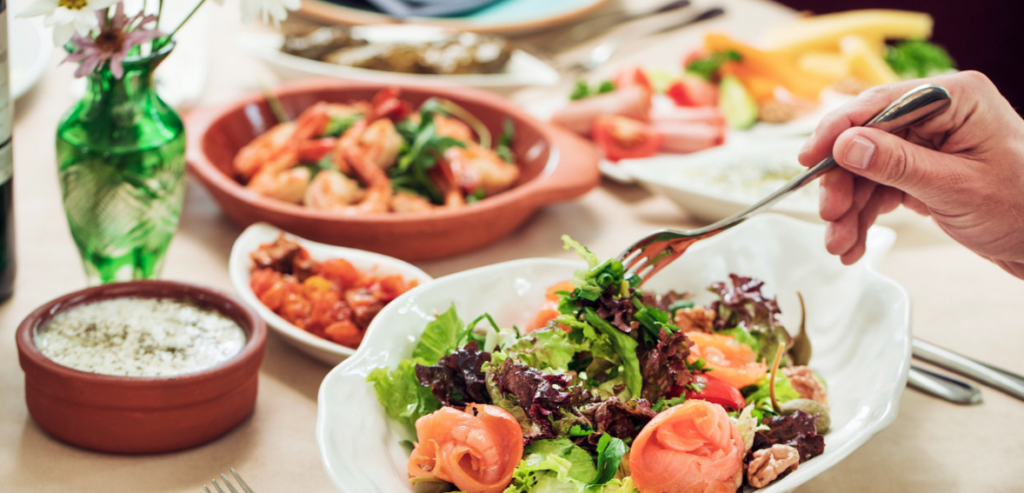
One of the most significant shifts in genuinely health-conscious catering is the elevation of vegetables from supporting cast to leading role, which requires both culinary creativity in how vegetables are prepared and presented and a fundamental rethinking of how a satisfying meal is composed. Nutritious event menus that make vegetables the most compelling element of the catering spread, rather than the obligatory healthy component that guests feel they should take while gravitating toward the more interesting options, require the application of serious culinary technique to vegetable preparation. Roasting vegetables at high temperatures to develop caramelization and concentrated flavor transforms ordinary produce into genuinely compelling food that guests choose because it is delicious rather than because it is healthy.
Charring and grilling vegetables creates textural contrast and smoky complexity that competes favorably with any conventional catering offering. Building vegetable-centered dishes with the flavor development that comes from quality olive oil, fresh herbs, acid from citrus and vinegars, and the layering of umami from ingredients including capers, olives, sun-dried tomatoes, and aged cheeses creates food that is simultaneously plant-forward and deeply satisfying.
Healthy catering options built around the full range of seasonal vegetables prepared with genuine culinary attention produce a catering spread where guests who are health-conscious feel genuinely catered to and guests who are not specifically health-motivated find the vegetable options more appealing than they expected. This dual appeal, where health-conscious guests and conventional guests both find the menu genuinely satisfying, is the mark of well-executed wellness-focused catering.
Grains, Bowls, and the Grain-Forward Menu
The grain-forward catering format, built around bases of whole grains including quinoa, farro, brown rice, and freekeh topped with vegetables, proteins, and flavorful dressings, has become one of the most popular and most versatile formats for health-conscious event catering because it combines nutritional quality with the customization and abundance that create positive guest experiences. Clean eating catering through grain bowl stations allows each guest to build a meal that reflects their specific preferences and dietary requirements while ensuring that the fundamental nutritional architecture of whole grains, quality protein, and abundant vegetables is the foundation of every guest’s plate.
The visual abundance of a well-designed grain bowl station, with colorful vegetables, multiple protein options, interesting grain varieties, and an array of toppings and dressings, creates the same sense of generous provision that conventional buffet catering provides while maintaining nutritional standards that conventional buffets often sacrifice in pursuit of that abundance.
Nutritious event menus that incorporate grain bowls as a format can layer in flavor complexity through the specific grain varieties selected, the preparation of each component, and the design of the dressings and sauces that bring the bowl together. A station offering farro with roasted seasonal vegetables, herb-marinated grilled chicken and spiced chickpeas as protein options, fresh herbs, toasted seeds, pickled vegetables, and a choice between tahini dressing and lemon herb vinaigrette creates a meal of genuine culinary interest that also meets the nutritional standards of wellness-focused catering.
Dessert in Health-Conscious Catering
The dessert component of a health-conscious catering menu presents the most creative challenge because the guest expectation of sweetness and indulgence at the conclusion of a meal is real and legitimate, and health-conscious catering that simply eliminates or dramatically diminishes the dessert offering to satisfy nutritional standards at the expense of guest enjoyment has not achieved the right balance. Wellness-focused catering desserts that are genuinely delicious while being nutritionally more thoughtful than conventional desserts use several specific approaches that produce excellent results without requiring guests to feel that they are eating a compromise.
Fruit-forward desserts that build on the natural sweetness and complexity of seasonal fruits, including poached pears, roasted stone fruits, citrus-based tarts, and berry pavlovas, provide the sweetness and visual beauty of conventional desserts through ingredients that carry genuine nutritional value alongside their pleasure value. Reduced-sugar preparations that rely more heavily on natural sweeteners, high-quality chocolate, and the inherent sweetness of whole ingredients rather than refined sugar produce desserts that are genuinely sweet and satisfying while containing meaningfully less refined sugar than conventional alternatives.
Portion design that offers elegant small servings of high-quality desserts, including petite chocolate truffles made with high-percentage dark chocolate, small cups of coconut milk panna cotta, and individual fruit and cream parfaits, allows guests to experience genuine dessert satisfaction from a portion that is pleasurable without being excessive.
Conclusion
Health-conscious catering that is done genuinely well is not a compromise between what guests enjoy and what is good for them but an expression of the understanding that the two goals are not inherently in conflict. Healthy catering options designed around whole ingredients, balanced nutrition, skilled cooking technique, and genuine culinary creativity produce food that guests choose enthusiastically rather than dutifully, and that leaves them feeling well rather than uncomfortable after the event.
Wellness-focused catering menus that elevate vegetables, incorporate quality proteins across all formats, use whole grains as the foundation of substantial and satisfying dishes, and approach dessert with creative restraint rather than elimination create event food experiences that honor both the nutritional awareness and the appetite for genuine pleasure that most contemporary event attendees bring to the table.
Nutritious event menus that meet this standard require more culinary investment than conventional catering shortcuts, but they produce results that distinguish the catering experience in ways that guests remember and that event hosts are proud to have provided. Clean eating catering at its best is simply excellent catering that happens to be nutritionally thoughtful, and that combination is what health-conscious event catering should aspire to deliver.