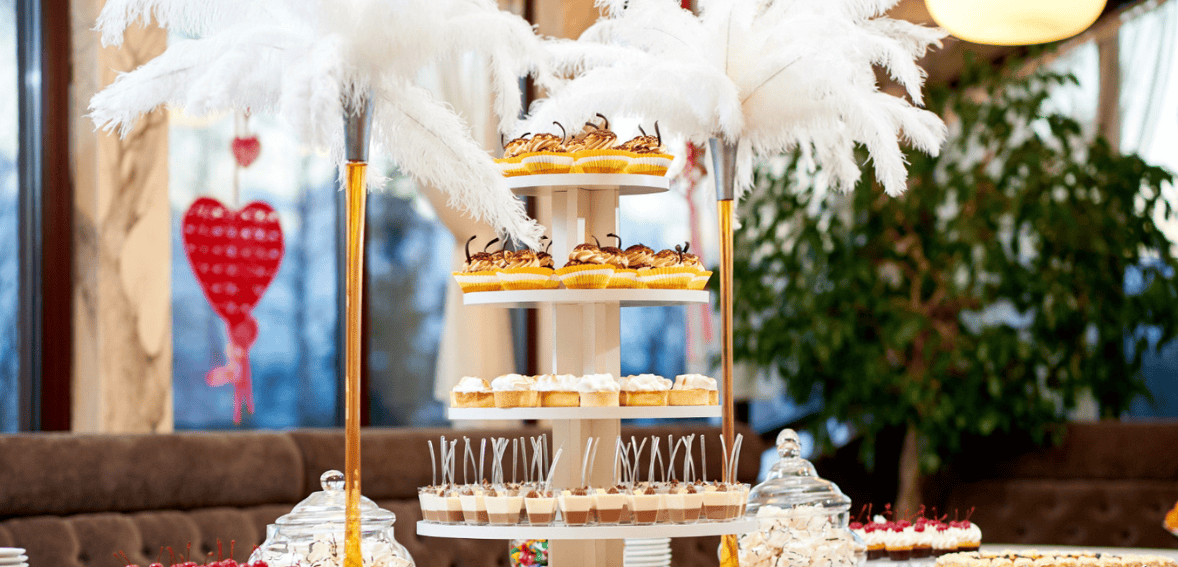
By Charles West May 8, 2026
Something has changed in how people think about the food at their events. Not long ago, the conversation about catering for a wedding or a corporate gathering was primarily functional: how many guests, what dietary restrictions, buffet or plated service, open bar or not. The food was expected to be good, but it was rarely expected to be an experience in itself, a deliberate creative expression that carried meaning, created atmosphere, or told a story. That expectation has shifted significantly, and it has shifted in both directions simultaneously.
Hosts are asking for more, and caterers are delivering more. The result is a catering landscape where themed catering events have moved from novelty to mainstream, where the distinction between food and entertainment has become genuinely blurred, and where the question a client asks a caterer is no longer simply what they can cook but what story they can help tell through the medium of food, presentation, and the full sensory experience that surrounds a meal.
This shift reflects several converging forces: the influence of social media on how events are documented and shared, the growing sophistication of clients who eat widely and expect the same creativity from their event catering that they encounter in the best restaurants, and the genuine creative evolution within the catering industry itself as talented professionals have pushed the boundaries of what event food can be. Understanding why themed catering experiences have risen to prominence, what they look like at their best, and how they serve the different needs of weddings and corporate events gives both clients and caterers a useful framework for thinking about what is possible.
What Themed Catering Actually Means
Before examining specific applications and trends, it is worth being clear about what themed catering events actually involve, because the term covers a wide range of approaches and the quality and authenticity of execution varies enormously. At its most superficial level, a themed catering event might simply mean that some decorative elements reference a theme while the food itself remains generic. A tropical party where the serving platters are shaped like pineapples but the food is the same chicken skewers and pasta salad that appear at every other event is themed in name only, and it is this shallow approach that gives themed events an undeserved reputation for being gimmicky rather than genuinely enhancing the guest experience.
Authentic thematic catering requires much more than this, however, with the theme serving as the basis for the consideration of all aspects of food and service, including ingredients used, the method of preparation, the flavors created, the way in which foods are presented, and how food is served. Authentic themed event menus that incorporate regional or cultural dishes are those which are based on authentic regional or cultural cuisine with presentations and service styles that also speak to the specific culture or region.
Serving authentic Mediterranean dishes using a service style and presentations that reflect Mediterranean culture and hospitality is an example of thematic menu creation at its finest, where all aspects of the food service experience come together to create a cohesive, unified experience. This difference is one between truly memorable meals and those that can only be dimly remembered as having something to do with a particular theme, but failing to really achieve it. Recent trends in wedding catering that incorporate themed menus indicate just how discerning contemporary clients have become.
Why Weddings Have Embraced Themed Catering
Weddings are the events where themed catering has perhaps found its most enthusiastic audience, and the reasons why are deeply connected to what weddings are and what couples want them to express. A wedding is, among other things, an opportunity to present a version of the couple to the people they love, to create a day that reflects who they are individually and together, and to generate memories that will be shared and revisited for years.
Food has always been central to human celebration, and catering that reflects the couple’s personality, their history, or their shared aesthetic creates a coherence to the wedding experience that generic catering cannot achieve. A couple who met while traveling through Southeast Asia and whose relationship was shaped by shared meals and culinary exploration may want a wedding menu that draws on those flavors and memories rather than the conventional hotel reception menu that has no personal resonance whatsoever.
A couple that has a significant cultural connection to a particular cuisine of the region they come from, such as a Louisiana couple who sees themselves as a part of Creole cuisine or an Italian-American couple that cannot envision their celebrations without home-made pasta, may find it necessary to have their wedding catering incorporate this connection rather than resort to a universally applicable fancy menu. This type of wedding catering reflects a couple’s perception of their wedding not as a show but rather as a celebration of themselves. When the theme truly reflects some aspect of who they are, the effect achieved becomes more personal for guests.
The Social Media Effect on Catering Creativity
The influence of social media on themed catering events cannot be overstated, and it operates in both directions at once. On one hand, social media has raised the visual expectations that clients bring to events, because they have spent years scrolling through beautifully photographed event content and have absorbed an aesthetic standard that makes ordinary presentation feel insufficient. On the other hand, social media has given caterers and event designers a global audience for their most creative work, creating professional incentives for innovation and visual drama that did not exist when event photography ended up in private photo albums rather than on platforms where extraordinary execution becomes viral content.
In practice, this means that creative catering themes that produce amazing images, produce visually appealing food events that guests will want to photograph and post, are now a strategic imperative for clients and caterers alike. An interactive grazing table set up to span the length of a room, with lots of deliciously presented cheese, meats, fruits, flowers, and other items laid on platters in an elaborate spread is more than just a way of serving food.
It is a food art form that guests will photograph and share even before they have tasted a single morsel of what’s there to offer. Similarly, a dessert buffet with a special gimmick, such as an edible floral presentation that can be individually picked by each guest, as well as food stations that involve some sort of action during food preparation, are all designed to produce great food event memories through photographs. Caterers know how to leverage this idea into creating food art for guests with cameras.
Corporate Events and the Experience Economy
Corporate events operate in a different emotional register from weddings but have been equally transformed by the shift toward themed catering experiences. The functional purpose of a corporate event, whether it is a product launch, a client entertainment opportunity, a team building gathering, or an annual conference, shapes what the catering is being asked to accomplish, and the most sophisticated corporate clients now think about catering as a tool for achieving specific event objectives rather than simply as a required logistical element.
When a product launch uses themes in the catering that connect back to the story of the product through the use of ingredients, cooking methods, or food presentations that align with the origin of the product or the message of the launch, the cohesion achieved by doing so helps to enhance the product story more effectively than would any standard menu.
When a technology company seeks to promote its innovative image at its client entertainment event, it might choose to hire caterers who can present a meal using molecular gastronomy or interactive food sciences that demonstrate creativity in action. Customized menus that are developed for corporate events in a way that encourages conversations among attendees or reflects the values or culture of the hosting company are performing marketing strategies along with their role in nourishing attendees. The knowledge that catering services provide a meaningful experience that is associated with an organization is what has made it a worthy expenditure on the part of organizations that know about the experience economy.
Global and Cultural Themes in Modern Event Catering
One of the most vibrant and most creatively rich categories of creative catering themes is the exploration of global culinary cultures in ways that are both genuinely respectful and genuinely delicious. As both hosts and guests have become more widely traveled and more culinary adventurous, the interest in food experiences that go beyond the familiar has grown substantially.
Events built around the cuisines of specific regions or countries, from the complex spice traditions of India and the Middle East to the fresh herb-driven brightness of Vietnamese and Thai cooking, from the hearty comfort of Peruvian and Brazilian grilling traditions to the refined elegance of Japanese kaiseki, offer guests an experience that is simultaneously pleasurable and educational, introducing them to flavors and food cultures they may not have encountered before.
The execution of the global theme in cooking demands real expertise and real skill and not simply the appropriation of visuals and some token dishes added to the regular menu. Caterers using real recipes, choosing the proper ingredients, and serving the dishes in such a way that respects their cultural heritage rather than stripping them of their unique character for mass appeal are giving their guests something authentic to enjoy. Trends in wedding catering, specifically when it comes to food-themed events, have been affected by the cultural diversity of many couples and their families because today’s weddings often serve as venues for celebrating one’s culture while introducing the food cultures of others to one another via dining together.
Interactive and Immersive Food Experiences
The boundary between catering and entertainment has been dissolving as creative catering themes increasingly incorporate interactive and immersive elements that engage guests as active participants rather than passive recipients of food. Live cooking stations where guests watch skilled chefs prepare dishes in real time, interact with the cook, and receive individually made food have been popular in event catering for years, but the sophistication and variety of these interactive experiences has grown considerably.
A sushi chef working at an ice sculpture station, a dim sum master hand-folding dumplings to order, a gelato artisan creating custom flavors by layering ingredients chosen by the guest, a ramen station where a chef builds each bowl individually according to the guest’s preferences, all of these experiences transform a meal into a participatory event where the process of preparation is as engaging as the food itself. More elaborately immersive approaches involve environments where the food is fully integrated into a sensory or narrative experience.
A dinner designed around a specific decade or historical period, where the food, music, costuming of the service team, and overall ambiance all draw from the same cultural moment, creates a total environment that is genuinely transportive for guests who engage with it. These more elaborate immersive formats require significant coordination between the catering concept and the broader event design, and they represent the frontier of what themed catering events can achieve when all elements are working together toward a coherent experiential vision.
Sustainability as a Catering Theme
One of the most genuine and most timely creative catering themes emerging in both wedding and corporate event catering is sustainability, approached not as a marketing message but as a genuine organizing principle for the entire food and service experience. A catering concept built authentically around environmental responsibility, where every choice from ingredient sourcing to service format to waste management reflects genuine commitment rather than performative gestures, speaks directly to the values of an increasingly substantial portion of event clients and their guests.
Farm-to-table sourcing that prioritizes local and seasonal ingredients, presented in ways that celebrate the origin and the producer, creates a food story that is both delicious and meaningful. Plant-forward menus that make vegetables and plant proteins the stars rather than the accompaniments represent a creative catering theme that aligns culinary ambition with environmental values, particularly when the cooking is ambitious enough to make the plant-based nature of the menu a pleasant surprise rather than a compromise.
Zero-waste catering concepts that use whole ingredients creatively, that compost food scraps, that avoid single-use plastics in service, and that donate surplus food after events are increasingly requested by corporate clients whose organizations have made public sustainability commitments and who want their events to reflect those commitments rather than contradicting them through conventional catering practices. The best sustainability-themed catering does not feel like a sacrifice. It feels like evidence that environmental responsibility and genuine excellence are not competing values.
Custom Dessert Experiences and Sweet Theming
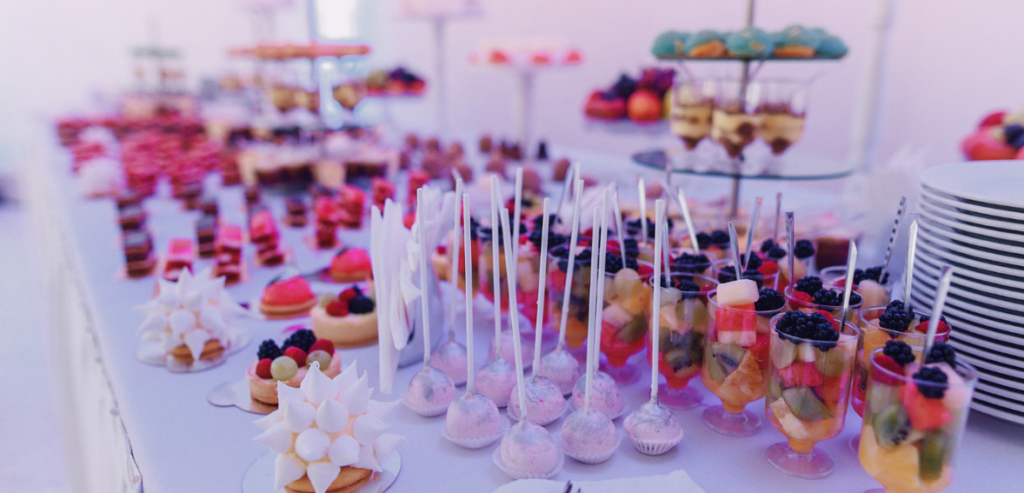
The dessert component of event catering has always been a natural canvas for creative expression, and themed catering events have elevated dessert from a pleasant conclusion to a full experience in its own right. The wedding cake, once the singular sweet centerpiece of reception catering, has been joined or in some cases replaced by dessert installations and experiences that create theatrical moments and offer guests choices and customization that a single cake cannot provide. Dessert tables that reflect a wedding’s botanical theme with cascades of fresh flowers, edible flowers, and plant-derived flavors through every sweet on display create a visual impact that becomes one of the event’s most photographed elements.
Dessert bars that offer interactive customization, where guests assemble their own parfait, choose their macaron flavors, or watch their dessert finished with a dramatic element like a tableside chocolate pour or a liquid nitrogen finish, turn the dessert course into an activity that extends engagement and creates individual moments of delight.
Corporate event catering has embraced customized dessert experiences that incorporate branding in ways that feel genuine rather than jarring, including branded cookies, chocolate bars, or macarons in company colors that guests receive as a take-home rather than consuming on-site, extending the event experience beyond the venue and into the days that follow. Wedding catering trends in dessert have increasingly moved toward expressions of the couple’s personal tastes and histories rather than conventional tiered cake formats, with couples choosing dessert experiences that might reflect their shared love of a specific flavor, a specific cultural tradition, or a specific food memory that is meaningful to them.
Working With Caterers on Themed Concepts
The practical process of developing a genuinely excellent themed catering experience with a professional caterer requires a different kind of client engagement than the more transactional conversation about basic catering requirements. Clients who arrive at the initial consultation with a clear articulation of what they want to express and achieve through their event, rather than a predefined menu concept, give their caterer the creative latitude to develop solutions that are better than anything the client could have specified in advance.
A couple who can describe the feeling they want their wedding dinner to create, the story they want it to tell, and the memories they want guests to take away is giving a skilled caterer the brief they need to create something genuinely original rather than simply executing a predetermined concept. Corporate event clients who can articulate the business objective the catering is meant to support, whether that is communicating innovation, building team cohesion, impressing a specific client, or celebrating a company milestone with emotional resonance, are enabling caterers to design experiences that are actually strategic rather than simply attractive.
The development of customized event menus for themed experiences benefits from genuine collaboration between client and caterer over multiple conversations, tastings, and concept refinements rather than a single meeting that produces a final brief. Caterers who invest in this collaborative process build the kind of client relationships that produce their best creative work and generate the referrals and repeat business that sustain a creative catering practice over the long term.
Conclusion
The rise of themed catering experiences in weddings and corporate events reflects a genuine evolution in how both hosts and guests understand what food at an event can and should do. Themed catering events that are executed with genuine creativity, culinary skill, and thematic coherence create memories that last, connections between the food experience and the values or stories of the host, and a guest experience that is meaningfully richer than a generic meal however well prepared. Customized event menus and creative catering themes that go beyond surface decoration to genuine culinary expression are the product of caterers who bring both craft and artistry to their work and clients who value and invest in that combination.
Wedding catering trends toward personalization, cultural expression, sustainability, and immersive experience reflect the same broader shift toward authenticity and meaning that is visible across contemporary culture. The food at your event is not just something people eat between the other things that happen. When it is thoughtfully conceived and skillfully executed, it is one of the most powerful tools available for creating the experience, the atmosphere, and the memory that you most want your guests to carry with them when they leave.