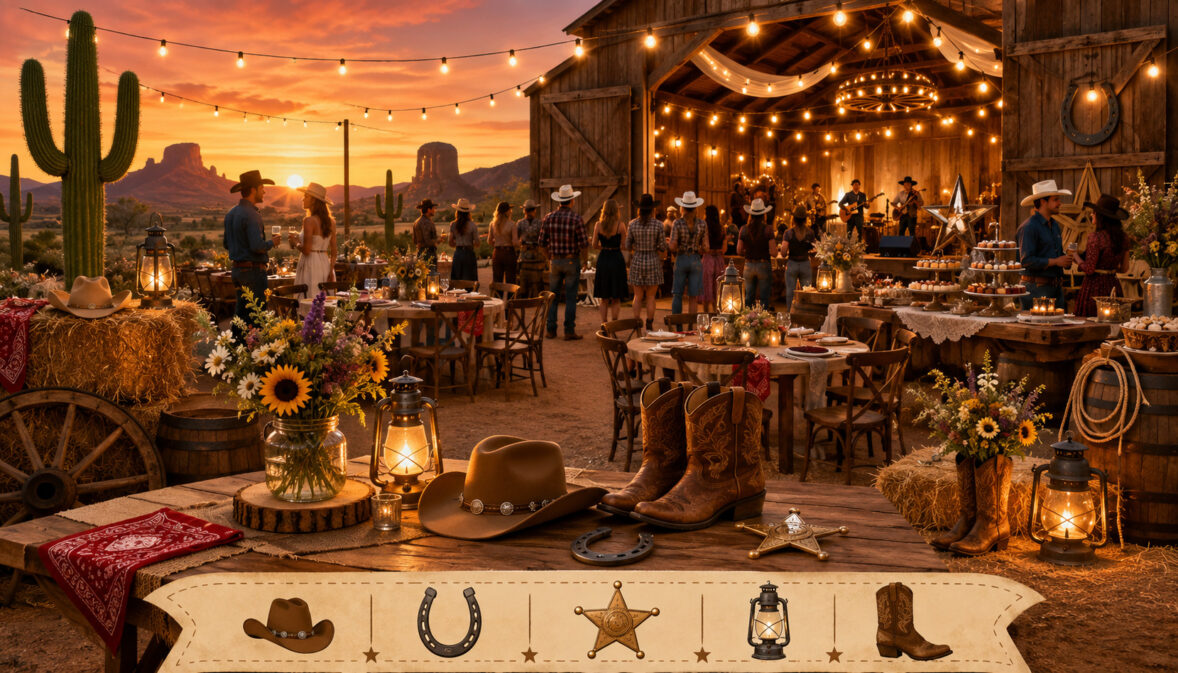
A western-themed event works because it gives guests something familiar, lively, and easy to enjoy. The theme can feel rustic, playful, elegant, nostalgic, or full-on cowboy, depending on how you shape the food, decor, music, activities, and setting.
Whether you are planning a backyard birthday, a barn wedding, a company picnic, a fundraiser, a country western event, or a polished corporate western event, the goal is the same: create a welcoming experience that feels intentional from the first invitation to the final cleanup.
To plan the perfect western-themed event, start with the guest experience. Think about where people arrive, what they see first, how they move through the space, when they eat, where they sit, what music sets the mood, and what activities keep the energy going.
The strongest western event planning does not rely on cowboy hats and hay bales alone. It connects the menu, signage, lighting, entertainment, service style, and schedule into one consistent western theme.
This guide is for general educational purposes. Western-themed event needs can vary based on event size, venue rules, weather, menu, service style, budget, local requirements, guest age range, accessibility needs, and vendor availability.
What Makes a Western-Themed Event Work?
A successful western-themed event starts with consistency. Guests should understand the theme right away, but the setting should still feel comfortable, practical, and easy to navigate.
That means your cowboy theme should show up in the right places: invitations, entrance signage, table styling, music, menu, dress code, activities, and photo areas. It does not mean every surface needs a horseshoe, bandana, or wanted poster.
The best western party ideas usually balance atmosphere with function. Hay bales look great near a photo booth, but they may not be comfortable for long dinner seating. Wooden barrels can create a saloon theme, but they should not block guest flow.
A mechanical bull can be fun, but it needs space, supervision, and appropriate safety controls. Rustic event planning is most effective when decor supports the experience rather than distracting from it.
Food also plays a major role. A western party menu often includes barbecue catering, smoked meats, comfort food, cornbread, baked beans, mac and cheese, chili, sliders, pulled pork, brisket, ribs, and casual desserts.
But the right menu depends on guest count, service style, venue setup, dietary needs, and timing. A small backyard cowboy-themed party may work well with self-serve trays and a beverage station, while a large community gathering may need buffet lines, staff, holding equipment, clear signage, and a cleanup plan.
Entertainment brings the western theme to life. Country music, western swing, line dancing, live music, a DJ, lawn games, photo booths, and themed contests can all work well. The key is matching entertainment to the crowd. A corporate western event may need low-pressure activities that encourage mingling, while a family celebration may need games for different ages.
Choose the Right Western Event Style and Setting
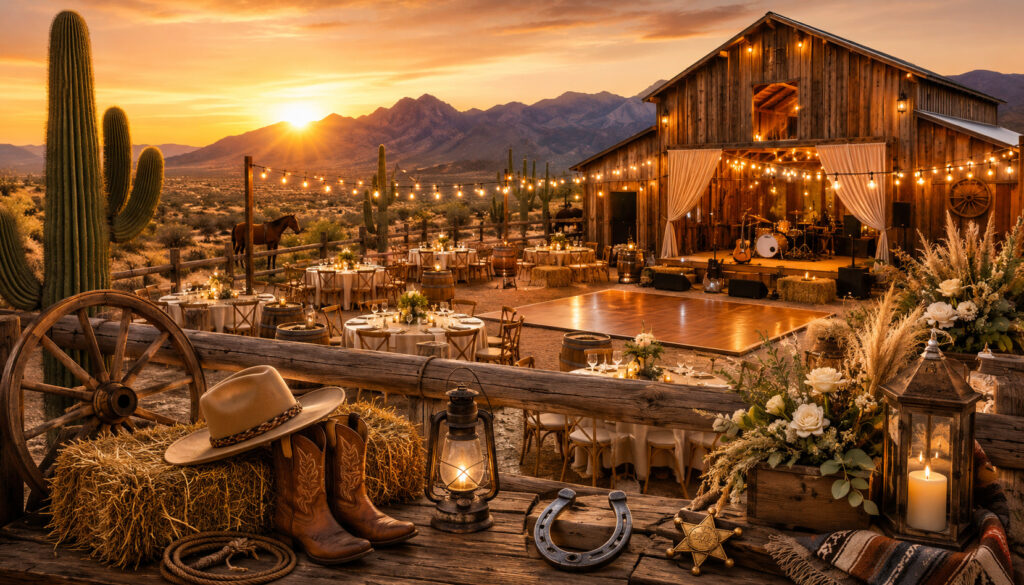
Not every western-themed party should look the same. A western wedding theme may lean elegant and romantic, with lanterns, greenery, wood tables, warm lighting, and a refined barbecue buffet.
A cowboy-themed party for a birthday can be more playful, with bandanas, boots, western games, checkered linens, and a casual dessert table. A corporate western event may need a polished ranch-style event design that feels fun without becoming too costume-heavy.
Start by choosing the event style before choosing the decor. This helps prevent overspending and keeps the theme from feeling scattered.
A “rustic ranch dinner” has a different look than a “saloon-style event,” and both differ from a “country western dance night.” Once the event style is clear, decisions about food, music, seating, signage, and activities become easier.
Cowboy-Themed Party Ideas
A cowboy-themed party works especially well for birthdays, school events, family reunions, neighborhood gatherings, and casual private parties.
It can be budget-friendly because many decor pieces are simple: bandanas, cowboy hats, boots, rope accents, lanterns, horseshoes, checkered linens, and wood textures. The challenge is making the event feel organized rather than cluttered.
For younger guests, include simple western party activities such as ring toss, horseshoe toss with safe materials, bean bag games, stick horse races, coloring stations, or a themed scavenger hunt.
For adults, consider line dancing, country music trivia, a chili bar, barbecue buffet, photo booth props, or a best-dressed contest.
Keep food easy to carry and eat. Sliders, pulled pork sandwiches, mac and cheese cups, cornbread muffins, baked beans, fruit trays, and cookies fit the theme without creating a complicated service setup.
Rustic Western Decor
Rustic decor is the backbone of many western event planning concepts. It usually includes natural textures, warm lighting, wood, metal, burlap, leather-style accents, simple florals, and relaxed table settings. Rustic western decor can be casual or elegant, depending on how you use it.
For a casual western theme party, use checkered linens, galvanized tubs, mason jars, bandana napkins, chalkboard signs, hay bales, and wooden crates. For a more refined western wedding theme, choose neutral linens, wooden chargers, amber glassware, pillar candles, greenery, lanterns, and subtle horseshoe or boot accents.
Avoid using too many novelty items at once. A few strong western party decorations will do more than a dozen competing props. The decor should help guests feel immersed, not overwhelmed.
Saloon-Style Event Setup
A saloon-style event setup is ideal for indoor venues, cocktail receptions, themed fundraisers, country western nights, and adult birthday parties.
This concept often includes a bar focal point, wood signage, barrel cocktail tables, warm lighting, vintage-inspired lettering, and a playlist with country, western swing, honky-tonk, or dance-friendly tracks.
The bar or beverage station is usually the visual anchor. Add clear signage for signature drinks, mocktails, water, tea, lemonade, or other nonalcoholic choices. Use barrels, wood backdrops, string lights, and simple menu boards to create the saloon theme without making the space feel crowded.
If alcohol is served, plan responsibly. Confirm venue rules, service requirements, guest transportation options, and any limits on open containers or service times. A saloon theme should feel fun and social, not chaotic.
Plan the Guest List, Budget, and Event Timeline
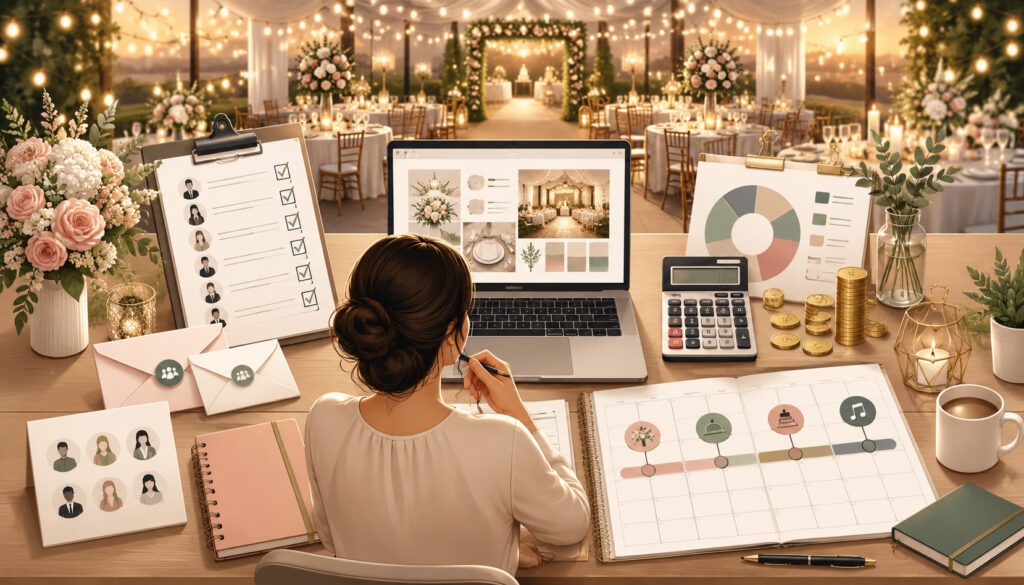
Your guest count affects almost every part of western-themed party planning. It determines the venue size, catering budget, seating plan, restroom needs, parking, rentals, staffing, food quantities, beverage setup, activity space, and cleanup requirements.
Before you choose decorations or entertainment, build a realistic guest estimate and decide how you will track RSVPs.
Budget planning should happen early. Western event planning can be affordable or elaborate, depending on the venue, menu, rentals, entertainment, staffing, and decor. A casual backyard party may focus most of the budget on food and seating.
A western wedding theme may require more spending on rentals, lighting, photography areas, flowers, service staff, and timeline coordination. A large community event may need permits, insurance, security, sanitation, signage, and crowd management.
Build your budget in categories rather than one large number. Common categories include venue, food, beverages, rentals, decor, entertainment, invitations, signage, staffing, lighting, transportation, cleanup, permits, and contingency funds.
A contingency plan is not just for emergencies; it also helps cover forgotten items such as extension cords, trash bags, serving utensils, ice, shade, heaters, or last-minute signage.
Your event timeline should include planning milestones and the event-day schedule. Decide when invitations go out, when RSVPs are due, when menu counts are finalized, when rentals are confirmed, when vendors arrive, when setup begins, when food is served, when activities start, and when cleanup ends.
Pick the Perfect Western Venue or Layout
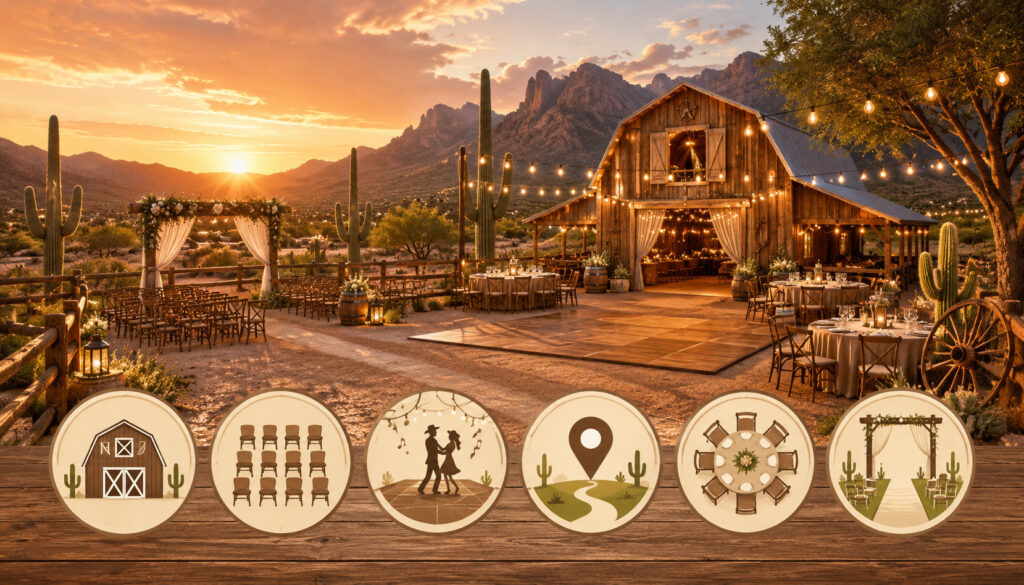
The right venue makes the western theme easier to execute. Barn venues, ranch-style properties, outdoor pavilions, community halls, private homes, event centers, restaurants, parks, and indoor banquet spaces can all work.
The best choice depends on guest count, weather, service style, noise rules, accessibility, parking, catering access, and the level of formality you want.
A venue does not have to be a barn to support a western theme. A simple indoor space can become a saloon-style event with lighting, wood textures, music, signage, and menu presentation.
A backyard can become a ranch-style event with picnic tables, string lights, barbecue catering, lawn games, and a photo booth. The key is using layout and atmosphere to support the theme.
Barn and Ranch Venues
Barn and ranch venues are a natural fit for rustic event planning because they already provide the visual foundation. Wood beams, open fields, gravel paths, fences, and outdoor views can reduce the amount of decor you need. They also work beautifully for western weddings, fundraisers, company picnics, and larger family celebrations.
However, these venues require careful logistics. Ask about power, lighting, restrooms, parking, catering access, kitchen facilities, sound limits, cleanup rules, trash removal, and weather backup options. Outdoor areas may need tenting, fans, heaters, flooring, or extra lighting depending on the season and time of day.
Accessibility matters too. Gravel, grass, uneven paths, and barn steps can be difficult for some guests. Plan clear routes, visible signage, accessible seating, and drop-off options where possible. The ADA guidance on accessible design can help planners think through routes, entrances, restrooms, and guest access.
Indoor Western Event Layout
Indoor western events work well when you create clear zones. Think entrance, check-in, coat or gift area, photo booth, dining, beverage station, entertainment, dance floor, restrooms, and exits. When these zones are easy to understand, guests feel more comfortable and staff can work more efficiently.
For a saloon theme, use the entrance to set the tone. A welcome sign, lanterns, wood backdrop, or barrel display can make a strong first impression. Place food and drinks where lines will not block doorways. If you have live music or a DJ, make sure speakers face the room without overpowering conversation areas.
Lighting is especially important indoors. Warm lighting, string lights, lanterns, uplighting, and candles in safe holders can soften a plain room. Avoid relying only on overhead lights if you want a cozy western atmosphere.
Create a Western-Themed Menu and Catering Plan
Food is one of the most memorable parts of a western-themed event. A strong western party menu should match the tone of the occasion, the service style, and the guest count. Barbecue catering is a natural choice, but it is not the only option.
Chili bars, slider stations, taco-inspired spreads, cornbread baskets, smoked meats, grilled vegetables, hearty salads, baked beans, mac and cheese, and rustic desserts can all fit the western theme.
Menu planning should consider timing, dietary needs, food safety, and ease of service. Messy foods can be delicious, but they need napkins, wet wipes, trash stations, sturdy plates, and seating.
Buffet service works well for casual and mid-sized events, but it needs enough space and staff to keep lines moving. Plated service can work for formal western weddings, but it requires stronger coordination and a larger service team.
For more menu inspiration, you can explore ideas about customizable event menus and matching food stations to an event theme as you shape the food experience.
Barbecue Catering
Barbecue catering fits western-themed event planning because it feels hearty, familiar, and social. Popular choices include brisket, pulled pork, ribs, smoked chicken, sausage, sliders, baked beans, coleslaw, potato salad, cornbread, and mac and cheese.
For a more flexible menu, include one or two lighter items such as grilled vegetables, green salad, fruit, or a vegetarian main.
Think carefully about service style. Brisket and ribs may require carving, portion control, extra napkins, and strong serving utensils. Pulled pork and sliders are easier for casual buffet service. If the event is outdoors, consider how food will be held, covered, replenished, and protected from heat, wind, insects, and dust.
Barbecue is also aroma-driven. If food is cooked or finished on-site, guests will notice the smell before they reach the buffet. That can be a major part of the atmosphere, but it also requires venue approval, safe equipment placement, and proper fire-safety planning.
Buffet Service
Buffet service is one of the most common western catering ideas because it feels relaxed and works for many event types. A buffet can be simple, such as smoked meats and sides, or more interactive, such as a chili bar, loaded baked potato station, slider station, or build-your-own bowl setup.
The buffet layout matters as much as the menu. Place plates at the beginning, utensils and napkins at the end, and sauces where they will not slow down the main line. For larger guest counts, consider double-sided buffet service or multiple stations. Label dishes clearly, especially if they contain common allergens or fit dietary preferences.
For food safety, keep hot foods hot and cold foods cold. The FDA’s safe buffet guidance is a useful resource for temperature control, food handling, and serving practices. If you are planning an outdoor buffet, review practical guidance from FoodSafety.gov as part of your planning.
Appetizers and Snacks
Appetizers help set the tone before the main meal. For a western theme party, consider mini cornbread muffins, barbecue meatballs, deviled eggs, chips with salsa or queso, smoked sausage bites, veggie cups, mini sliders, soft pretzel bites, skewers, popcorn cones, or a small chili tasting station.
For a cocktail-style saloon theme, choose appetizers that are easy to hold while standing. For family events, offer kid-friendly snacks and avoid overly spicy items as the only option. For corporate events, make sure snacks are neat enough for guests who may be networking, shaking hands, or wearing business-casual clothing with western accents.
Presentation can be simple but effective. Use wooden trays, cast-iron-style serving pieces, parchment liners, chalkboard labels, and small baskets to keep the rustic decor connected to the menu.
Dessert Ideas
Western-themed desserts can be playful, rustic, or elegant. For casual events, consider cookies, brownies, fruit cobbler, mini pies, banana pudding cups, s’mores-style bars, cupcakes, or doughnut displays. For weddings, a simple cake can be paired with pie slices, cobbler, or a dessert bar for a more relaxed western wedding theme.
Desserts are also an easy place to reinforce the theme. Use wood risers, lanterns, bandana liners, mini chalkboard labels, or a “sweet saloon” sign. For outdoor events, protect desserts from heat and insects. Chocolate-heavy items may melt quickly, and dairy-based desserts may need refrigeration or controlled serving times.
If you are serving dessert after dancing or activities, assign someone to refresh the station, remove empty trays, and keep the area clean.
Beverage Stations
A beverage station should be easy to find, easy to use, and stocked throughout the event. Offer water first, then build around the event style. Lemonade, iced tea, fruit-infused water, mocktails, coffee, hot cocoa, or signature drinks can all fit a western theme.
For adult events, signature drinks can support the saloon theme, but always include appealing nonalcoholic options. Mocktails can be served in jars or clear dispensers with citrus, herbs, or fruit garnishes.
For outdoor events, plan more water and ice than you think you need, especially if guests will be dancing, playing games, or spending time in warm weather.
Place trash and recycling near the beverage station. If drinks are self-serve, use clear labels and keep backup cups, napkins, stirrers, and ice tools nearby.
Plan Rustic Decor, Signage, Tables, and Atmosphere
Western party decorations work best when they support the event’s setting, not when they compete with it. Start with a theme board that includes colors, textures, table ideas, lighting, menu presentation, signage, and photo inspiration. A strong theme board prevents random purchases and helps everyone involved understand the same visual direction.
Common western decor elements include hay bales, wooden barrels, wagon wheels, lanterns, horseshoes, rope, bandanas, cowboy hats, boots, checkered linens, burlap, wood signs, wildflowers, mason jars, galvanized tubs, and warm string lights.
Choose the pieces that fit your event style. A casual backyard party can use bold patterns and playful props. A corporate western event may need cleaner branding, simple centerpieces, and polished signage. A western wedding theme may use softer colors, florals, candles, and refined rustic decor.
Signage is more important than many hosts realize. It helps guests find parking, check-in, restrooms, food, drinks, seating, gifts, activities, and exits. Western-style signage can be both decorative and practical. Use readable fonts and good contrast. A sign that looks cute but cannot be read from a few feet away is not doing its job.
Tables should be comfortable and functional. Centerpieces should not block conversation. Linens should fit the service style. If you are serving barbecue, chili, ribs, or saucy foods, provide sturdy napkins and consider darker or patterned linens that hide small spills.
Lighting creates atmosphere and safety. Use string lights, lanterns, pathway lights, uplighting, or candles in approved containers. For outdoor event planning, lighting should guide guests to restrooms, parking, exits, and food areas, not just decorate the dining space.
Choose Music, Entertainment, and Western Activities
Music and activities turn a decorated space into an experience. Country music, western swing, bluegrass, folk, classic dance tracks, and modern country playlists can all work, depending on the crowd.
The Smithsonian’s overview of country music heritage is a helpful reminder that the genre includes many sounds, from cowboy songs to bluegrass and beyond. A good playlist can reflect that variety while still feeling cohesive.
Entertainment should match guest energy and event purpose. A wedding may need ceremony music, cocktail music, dinner music, and dance music. A corporate western event may need background music early and interactive entertainment later. A community gathering may need a stage schedule, announcements, games, and family-friendly activities.
Country Music
Country music sets the mood quickly, but the right mix matters. For dinner, choose tracks that allow conversation. For dancing, shift into higher-energy songs. For a saloon theme, add western swing or honky-tonk-inspired music. For a family event, keep lyrics and volume appropriate for the audience.
A live band can create a strong atmosphere, especially for ranch-style events, fundraisers, and western weddings. A DJ may offer more flexibility for mixed crowds because they can shift genres, take cues from the room, and manage announcements. For smaller parties, a curated playlist may be enough, but test the sound system before guests arrive.
Sound planning is often overlooked. Outdoor spaces may need more speaker coverage than expected, while indoor rooms may echo. Confirm power access, volume rules, microphone needs, and who controls the music during key moments.
Line Dancing
Line dancing is one of the best western party activities because guests can participate without needing a partner. It works for weddings, company parties, fundraisers, and family celebrations. It can also break the ice when guests do not know each other well.
If many guests are beginners, hire an instructor or ask a confident leader to teach a few simple dances. Start early in the entertainment schedule, before guests become tired or the dance floor feels intimidating. Keep the first dance simple, upbeat, and short enough that people feel successful.
Make sure the dance floor is safe. Avoid placing it on uneven ground, loose rugs, or slick flooring. If the event is outdoors, consider rented flooring so boots, heels, and mobility devices can move more safely.
Photo Booths
A western photo booth gives guests a way to interact with the theme and creates shareable memories. It can be as simple as a wood backdrop with hats, bandanas, rope, boots, and a few signs. For a more polished setup, add a branded backdrop, lanterns, hay bales, barrels, and professional lighting.
Place the photo booth where guests will see it, but not where it blocks the buffet, bar, or entrance. Add a small table or basket for props and assign someone to straighten the area occasionally. Props tend to scatter during busy events.
Photo booths work especially well for western weddings, corporate western events, school fundraisers, and milestone birthdays. For formal events, keep props tasteful and avoid anything that may feel too childish for the crowd.
Western Games
Western games can make the event feel active and social. Popular options include horseshoe toss, ring toss, cornhole, sack races, trivia, scavenger hunts, chili cook-off voting, best boots contest, and themed bingo.
For larger events, a mechanical bull can be a major attraction, but it requires space, supervision, waivers or rules, and age or health considerations.
Choose games based on your guest mix. Families may need games for different ages. Corporate groups may prefer quick team challenges. Weddings may only need a few lawn games during cocktail hour. Community gatherings may need staffed activity stations to keep lines organized.
Games should be easy to understand without long instructions. Use signs that explain how to play, where to line up, and whether prizes are involved.
Build a Dress Code, Invitations, and Guest Experience
The guest experience begins before anyone arrives. Invitations, RSVP tracking, dress code details, parking instructions, food notes, and arrival expectations all shape how comfortable guests feel. A western-themed event can be casual, semi-formal, or elegant, but guests need enough guidance to dress appropriately.
Dress code ideas can include western casual, denim and boots, country chic, rustic semi-formal, cowboy hats optional, or western cocktail attire.
For a wedding, be clear about footwear if the ceremony or reception is on grass, gravel, or barn flooring. For corporate events, keep the dress code inclusive and easy, such as “western-inspired attire encouraged” rather than requiring costumes.
Invitations should match the event style. A saloon-style event might use wood textures and vintage lettering. A ranch-style event might use natural colors and simple western accents.
A western wedding theme might use warm neutrals, florals, and elegant rustic details. Include the essential information: date, time, location, RSVP deadline, parking, dress code, meal style, weather notes, and accessibility details if relevant.
Guest experience also includes arrival flow. Where do guests park? Where do they enter? Is there a check-in table? Are restrooms easy to find? Is there a place for gifts, coats, strollers, or bags? Are food and drinks available right away, or should guests expect a scheduled meal?
For outdoor event planning, communicate what guests should expect. If they will walk on grass, sit under a tent, or spend time near animals, let them know. If the event is family-friendly, mention whether activities are planned for children.
Manage Rentals, Staffing, Setup, and Event-Day Logistics
Even a simple western theme party needs logistics. Rentals may include tables, chairs, linens, tents, dance floors, lighting, heaters, fans, serving tables, trash cans, restroom trailers, generators, staging, sound systems, and catering equipment. Confirm what the venue provides before renting anything.
Staffing depends on event size and service style. A backyard gathering may only need a few helpers for setup and cleanup. A large buffet may need staff to replenish food, manage trash, clear tables, and guide guests. A corporate western event may need check-in staff, vendor coordinators, security, bartenders, AV support, and cleanup crews.
Create an event-day timeline that includes vendor arrival times, setup windows, food delivery, sound checks, guest arrival, meal service, activities, speeches, dancing, dessert, last call if applicable, breakdown, trash removal, and final venue inspection. Share the timeline with vendors and key helpers before the event.
For catering logistics, confirm where food will be prepared, staged, served, and cleaned up. Make sure there is access to power, water, refrigeration or coolers, handwashing, trash disposal, and safe equipment placement. If you are exploring service models, resources about planning and executing catering events can help you think through timing and coordination.
Event cleanup should be planned before the event starts. Decide who handles trash, leftover food, rental stacking, decor removal, restroom checks, spills, and final walk-through. Label bins clearly and keep extra trash bags, gloves, paper towels, and cleaning supplies nearby.
Food Safety, Weather Plans, and Outdoor Event Considerations
Outdoor western events can be beautiful, but they need stronger contingency planning than indoor events. Weather, food temperature, insects, dust, wind, mud, heat, cold, lighting, and restroom access can all affect the guest experience. A weather backup plan is not optional for outdoor event planning; it is part of responsible hosting.
Your backup plan may include tents, indoor space, alternate seating, heaters, fans, sidewalls, flooring, umbrellas, ponchos, extra lighting, or a revised timeline. Confirm how quickly the backup plan can be activated and who makes the decision. Do not wait until guests arrive to decide where the buffet, ceremony, entertainment, or seating should move.
Food safety is especially important for barbecue catering, buffet service, dairy-based sides, salads, desserts, and outdoor beverage stations. Perishable food should not sit out too long, and cold foods need ice, coolers, or refrigeration.
The USDA’s guidance on safe handling for delivered or take-out foods includes useful reminders about coolers, shade, and time limits. The CDC’s food safety resources are also helpful for general safe food handling.
Plan for guest comfort. Provide shade during daytime events, heaters or blankets during cooler evenings, water stations, accessible restrooms, clear walking paths, and seating for guests who may not want to stand for long periods. If the event is on grass or dirt, think about footwear, mobility devices, and stroller access.
Insects can be managed with covered food, clean trash areas, distance between waste bins and dining, and careful timing for desserts. Wind can affect signs, linens, candles, paper goods, and lightweight decor. Secure everything before guests arrive.
Common Western-Themed Event Planning Mistakes to Avoid
One common mistake is overdoing the decor. A western-themed event should feel immersive, not crowded with props. Too many signs, hats, ropes, barrels, hay bales, and novelty items can make the space feel messy. Choose a few strong visual elements and repeat them with purpose.
Another mistake is ignoring guest comfort. Rustic decor should not come at the expense of seating, shade, restrooms, lighting, accessibility, or clear walking paths. Hay bales may look charming but can be scratchy, unstable, or difficult for some guests to use. If you use them, place them as accent seating or photo props rather than the only seating option.
Food planning mistakes can also affect the event. Messy foods need the right setup. Ribs, saucy pulled pork, chili, and barbecue sliders are great western catering ideas, but they require sturdy plates, napkins, wet wipes, trash cans, and enough seating.
Forgetting dietary needs is another issue. Include vegetarian, gluten-conscious, lighter, or less spicy options where appropriate.
Weak sound planning can hurt the atmosphere. Music that is too loud makes conversation difficult, while music that is too quiet can make the event feel flat. Outdoor sound needs testing because open spaces absorb sound differently than indoor rooms.
Poor timelines are another common problem. If vendors arrive too late, guests wait too long for food, activities overlap with dinner, or cleanup is rushed, the event can feel stressful. A realistic event timeline should include setup, guest arrival, service windows, entertainment transitions, and breakdown.
Finally, do not forget vendor coordination. Confirm arrival times, parking, load-in paths, power needs, setup requirements, contacts, payment details, and cleanup responsibilities. For food-focused events, reviewing ideas about theme-driven catering experiences can help you connect menu, presentation, and mood more clearly.
Western-Themed Event Planning Checklist
A western event checklist keeps your planning organized and helps prevent last-minute problems. Use it as a working document, not just a final review. Add deadlines, vendor names, phone numbers, payment dates, delivery times, and notes specific to your venue.
| Planning Area | What to Decide | Why It Matters | Pro Tip |
| Event Style | Cowboy-themed party, saloon theme, ranch-style event, western wedding theme, or corporate western event | Sets the tone for menu, decor, music, and dress code | Write one theme sentence before buying decor |
| Guest Count | Invite list, RSVP tracking, age range, dietary needs | Affects venue, food, seating, rentals, and staffing | Build a guest count range early |
| Budget | Food, venue, rentals, decor, entertainment, staffing, cleanup, contingency | Keeps spending realistic and balanced | Save a small contingency fund |
| Venue | Indoor space, barn venue, ranch setting, backyard, pavilion, or event hall | Determines layout, rules, weather needs, and access | Visit at the same time of day as the event |
| Menu | Barbecue catering, buffet service, snacks, desserts, beverage station | Food is central to the guest experience | Match food choices to seating and service style |
| Decor | Western party decorations, signage, linens, lighting, centerpieces | Creates atmosphere and supports guest flow | Repeat a few strong design elements |
| Entertainment | Country music, DJ, live music, line dancing, western games, photo booth | Keeps guests engaged | Choose activities that fit the crowd |
| Dress Code | Western casual, country chic, boots optional, rustic semi-formal | Helps guests arrive comfortable and prepared | Mention ground surfaces and weather |
| Rentals | Tables, chairs, linens, tents, lighting, sound, dance floor, serving equipment | Prevents setup gaps | Confirm delivery, pickup, and setup responsibility |
| Safety | Food safety, weather backup plan, lighting, accessibility, crowd flow | Protects guest comfort and event operations | Build a written contingency plan |
| Staffing | Catering staff, bartenders, check-in, cleanup, activity attendants | Keeps the host from managing every detail | Assign one event-day contact |
| Cleanup | Trash, leftovers, rentals, decor removal, venue walk-through | Avoids end-of-event confusion | Stage cleanup supplies before guests arrive |
Before the Event
Before the event, confirm your guest count, menu, rentals, vendors, venue rules, weather plan, and event timeline. Walk through the layout and imagine the event from a guest’s point of view. Look for unclear entrances, tight buffet areas, missing signs, dark walkways, or awkward seating.
Create a packing list for small but important items: tape, scissors, markers, extension cords, chargers, batteries, trash bags, gloves, first aid supplies, printed timelines, vendor contacts, place cards, signage, lighters for approved candles, and extra napkins.
During the Event
During the event, focus on flow. Watch the buffet line, beverage station, restrooms, trash areas, and activity zones. Refill water, clear empty plates, check lighting, and adjust music volume as needed. If guests seem unsure where to go, add a verbal announcement or move signage.
Keep the host out of logistics when possible. Guests should see the host enjoying the event, not solving every issue. That is why an event-day contact is so valuable.
After the Event
After the event, cleanup should follow a clear order: secure leftover food safely, clear trash, pack decor, stack rentals, check restrooms, collect personal items, and complete the venue walk-through. If rentals are being picked up later, confirm where they should be stacked.
For larger events, take notes afterward. What worked well? What ran late? Which food items were most popular? Were there enough signs, seats, trash cans, and staff? These notes are useful for future western event planning, especially for annual fundraisers, company picnics, or community gatherings.
FAQs About Western-Themed Event Planning
How do you plan a western-themed event?
To plan the perfect western-themed event, start by choosing the event style, guest count, budget, venue, and timeline. Then build the theme through food, decor, music, activities, dress code, signage, and layout. Make sure the event is comfortable and practical, not just decorative.
A strong plan includes RSVP tracking, vendor coordination, catering details, seating, lighting, rentals, accessibility, food safety, setup, cleanup, and a weather backup plan for outdoor events.
What food works best for a western-themed party?
Barbecue catering is one of the most popular choices. Brisket, pulled pork, ribs, smoked chicken, sliders, baked beans, cornbread, mac and cheese, coleslaw, chili, and rustic desserts all fit a western party menu.
The best food depends on the event type. A casual backyard party may work well with buffet service, while a western wedding theme may need a more polished menu with staffed stations or plated elements. Always consider dietary needs and food safety.
What decorations fit a western event?
Western party decorations can include hay bales, wooden barrels, lanterns, horseshoes, rope, cowboy hats, boots, bandanas, checkered linens, wood signs, wildflowers, mason jars, and warm lighting. Choose decor that fits the event style.
For a saloon theme, focus on barrels, bar signage, wood textures, and vintage-style lighting. For rustic event planning, use natural textures and simple centerpieces. For a western wedding theme, keep the design softer and more refined.
How do you plan entertainment for a cowboy-themed party?
Start with the crowd. For families, use western games, photo booths, crafts, and simple contests. For adults, consider country music, line dancing, trivia, live music, a DJ, or a mechanical bull with proper supervision. For corporate events, choose activities that encourage mingling without making guests feel pressured.
Plan entertainment around the event timeline. Activities usually work well during cocktail hour, after the meal, or before dancing begins.
What should guests wear to a western-themed event?
Guests can wear denim, boots, cowboy hats, plaid shirts, western belts, bandanas, sundresses, fringe accents, or country chic outfits. The dress code should match the formality of the event.
Use clear wording on invitations. Examples include western casual, rustic semi-formal, boots encouraged, country chic, or western-inspired attire. If the event is outdoors, mention grass, gravel, or uneven ground so guests can choose comfortable footwear.
How do you plan an outdoor western event?
For outdoor event planning, focus on weather, shade, lighting, food safety, restrooms, parking, power, seating, and accessibility. Create a backup plan for rain, wind, heat, cold, or muddy ground. Tents, fans, heaters, flooring, sidewalls, and extra lighting may be needed.
Outdoor food service needs special care. Keep hot foods hot, cold foods cold, cover dishes when appropriate, and place trash away from dining areas.
What mistakes should planners avoid with western-themed parties?
Avoid overdecorating, ignoring guest comfort, choosing messy foods without the right setup, forgetting dietary needs, skipping the weather backup plan, underestimating rentals, and failing to test the sound system. Weak signage and poor guest flow can also create confusion.
Another common mistake is planning activities without considering age range, mobility, and guest personality. Choose entertainment that feels welcoming and easy to join.
What should be included in a western-themed event checklist?
A western event checklist should include event style, guest count, budget, venue, menu, beverages, decor, music, activities, invitations, dress code, rentals, staffing, food safety, accessibility, weather plan, setup, cleanup, and vendor coordination.
The checklist should also include event-day timing. Note when vendors arrive, when food is served, when activities begin, when dessert is available, and when cleanup starts.
Conclusion
A western-themed event can be relaxed, elegant, playful, professional, or family-friendly. The best results come from planning the full experience, not just the decorations. When the western theme connects naturally through the venue, menu, music, activities, dress code, signage, lighting, and service style, guests feel immersed without feeling overwhelmed.
To plan the perfect western-themed event, begin with the purpose of the gathering and the comfort of your guests.
Choose a style that fits the occasion, build a realistic budget, select a practical venue or layout, create a menu that works for your service style, and coordinate vendors with a clear timeline. Add rustic decor, western party activities, country music, photo areas, and thoughtful signage to bring the theme to life.
Most importantly, plan for real-world details. Food safety, accessibility, weather, rentals, staffing, cleanup, and contingency planning may not be as exciting as cowboy hats and lanterns, but they are what keep the event running smoothly.
With the right balance of fun and function, your western-themed event can feel warm, memorable, organized, and full of character from start to finish.