
Planning a successful event involves much more than choosing a venue and serving good food. Whether it is a wedding, corporate conference, charity fundraiser, birthday celebration, or community gathering, every detail contributes to the overall experience. One aspect that is often underestimated is the seating arrangement. While guests may notice decorations, entertainment, and the menu first, the way seating is organised has a significant impact on how smoothly the entire event runs.
A good seating arrangements is not just about where people sit; it has much broader implications for food services, guests’ ability to move around, clearing of tables, and comfort during the event. Failure to plan a proper seating arrangement may result in delays in food services, crowding at passageways, confusion among catering staff members, and overall lack of organisation at the event. However, a good seating plan will help in creating a comfortable environment for all the event participants.
Good event organisers realise that it is important to organise catering and seating simultaneously rather than separately. Catering and seating go hand-in-hand; they have to be combined in order to organise a good event with pleasant atmosphere, good food services, and overall good experience for all the participants.
Why Seating Is More Important Than Many People Realise
Most people assume that seating plans are devised solely for the benefit of making it easier for guests to locate their seats. Seating impacts most event-related activities, especially catering. It makes a difference whether tables are situated properly, whether the width of corridors is sufficient, accessibility to kitchen facilities, and how guests move around during events.
Badly arranged seating can cause difficulties in serving guests even for the most experienced catering teams. Catering delays are usually the result of the seating plan and not of food preparation.
Good seating lays the basis for smooth event operation.
Supporting Smooth Food Service
Catering staff need clear pathways to deliver meals safely and efficiently. Every additional obstacle slows service while increasing the possibility of accidents involving trays, beverages, or serving equipment.
Well-positioned tables allow staff to move confidently between dining areas without disturbing guests or interrupting conversations. This becomes especially important during large events serving hundreds of attendees.
Better layouts contribute directly to improved catering efficiency throughout meal service.
Reducing Congestion
Any busy function will obviously involve movements by the guests coming into the function, using the bathrooms, fetching drinks, meeting friends, and even leaving for a while.
Wider pathways and tables placed properly can facilitate better movements of people without necessarily creating any congestion.
Event dining is not just about having great food; it also includes comfortable movements in the event premises.
Making Guests Feel Comfortable
Guests enjoy attending such events when the seating arrangements seem spacious, well organized, and easily navigable. No one wants to get stuck among tight table arrangements and move chairs all the time to let other people pass through.
The comfortable arrangement of seating helps guests to socialize without being distracted by discomfort.
A good guest experience starts way before even serving food, as part of the event planning process.
Choosing the Right Table Layout
Different occasions call for different seating arrangements. Banquet seating promotes socialization, while long tables promote community spirit. Theatre style seating is appropriate for presentations, while the cabaret arrangement accommodates both eating and viewing.
The seating that one chooses must be in keeping with the occasion, at the same time being suitable for effective catering services and comfort of the guests.
Considering Service Style
The catering method significantly influences seating design. Plated meals require efficient access for servers carrying multiple dishes. Buffet service needs adequate space around food stations to prevent queues from interfering with seated guests.
Family-style dining requires sufficient table space for shared serving dishes, while cocktail receptions encourage more flexible seating and standing areas.
Aligning layouts with service methods improves overall catering efficiency.
Planning for Accessibility
Every event should consider accessibility carefully. Guests using wheelchairs, walking aids, or mobility assistance should move comfortably throughout the venue without unnecessary obstacles.
Accessible seating should provide clear sightlines while allowing convenient access to exits, restrooms, and dining areas. Inclusive planning benefits all attendees.
Accessibility strengthens both event dining and overall event quality.
Improving Communication Between Teams
Event planners, venue managers, and catering teams should collaborate when developing seating plans. Catering professionals often identify practical considerations regarding service routes, kitchen access, beverage stations, and equipment placement that influence overall efficiency.
Open communication prevents operational challenges that might otherwise become apparent only during the event itself.
Collaborative planning improves guest experience while supporting smoother operations.
Managing Large Events
Large weddings, conferences, and banquets require particularly careful seating design because serving hundreds of guests simultaneously involves considerable logistical coordination.
Clear table numbering, organised service sections, and logical seating layouts help catering teams maintain consistent service across the venue without confusion or unnecessary delays.
Large-scale seating arrangements benefit from detailed planning well before event day.
Supporting Special Dietary Requirements
Many events include guests with dietary preferences, allergies, or medical food requirements. Organised seating plans help catering teams identify these guests quickly while ensuring appropriate meals reach the correct individuals.
Well-documented seating charts reduce confusion while improving service accuracy during busy meal periods.
Efficient organisation contributes significantly to catering efficiency.
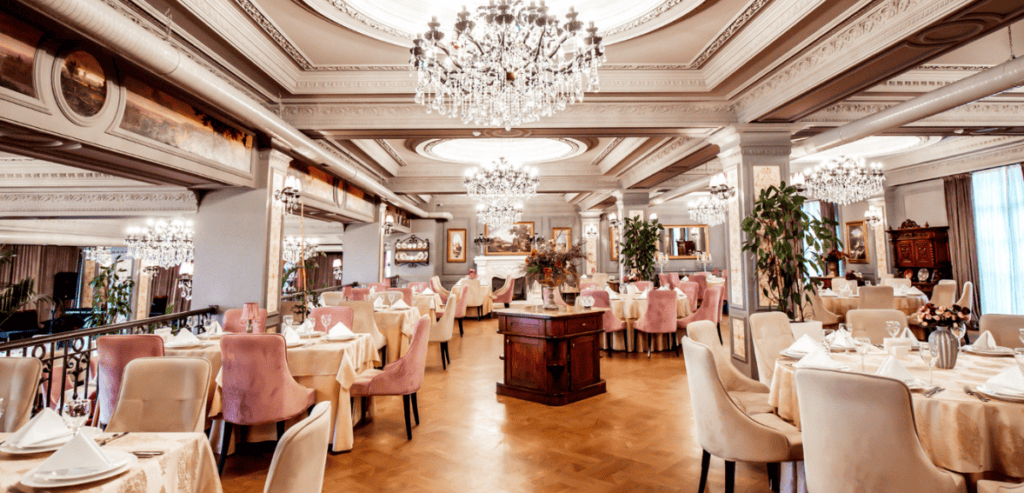
Creating Better Conversations
Events often bring together family members, colleagues, clients, or community members who may not know one another well. Seating plans influence conversation patterns, networking opportunities, and social comfort throughout the event.
Thoughtful placement encourages enjoyable interactions while reducing awkward situations or unnecessary isolation.
Positive social interaction enhances the overall guest experience.
Managing Buffets More Effectively
Buffet service requires careful planning to prevent long queues affecting other parts of the venue. Seating layouts should allow guests to access buffet stations without crossing major service routes or disturbing seated diners.
Multiple serving stations may further reduce congestion during larger events.
Good planning strengthens event dining by keeping service organised and comfortable.
Supporting Staff Productivity
Catering staff work more efficiently when they spend less time navigating obstacles or searching for tables. Logical layouts reduce unnecessary walking while allowing teams to focus on serving guests promptly and professionally.
Improved productivity benefits both event organisers and attendees through smoother service.
Practical layouts directly support catering efficiency throughout the event.
Considering Emergency Access
Event safety should always remain a priority. Seating layouts must provide clear emergency exits while allowing staff, security personnel, and emergency responders to move quickly if required.
Good planning balances maximum seating capacity with appropriate safety standards. Comfortable spacing benefits both everyday operations and emergency preparedness.
Responsible seating arrangements contribute to safe event management.
Adapting to Different Venue Types
Every venue presents unique opportunities and limitations. Historic buildings, outdoor gardens, marquees, hotels, conference centres, and community halls all require different seating strategies based on available space and operational requirements.
Flexible planning allows organisers to maximise venue potential without compromising guest comfort or catering operations.
Venue-specific planning improves both guest experience and service efficiency.
Technology Supports Better Planning
Modern event planning software allows organisers to create digital seating charts, assign guests, manage dietary information, and share layouts with catering teams before the event.
Digital planning reduces manual errors while simplifying last-minute changes. Better coordination leads to smoother event execution.
Technology increasingly supports efficient event dining preparation.
Learning From Previous Events
Every event provides valuable lessons regarding guest movement, service timing, table spacing, and overall layout effectiveness. Reviewing these experiences helps organisers refine future seating plans.
Feedback from guests, catering teams, and venue staff often highlights practical improvements that strengthen future events.
Continuous improvement enhances catering efficiency over time.
Looking Toward the Future
Event planning continues evolving as organisers embrace flexible layouts, technology, sustainability, and increasingly personalised guest experiences. Seating plans will likely become even more data-driven while remaining centred on comfort and operational efficiency.
Despite technological advances, thoughtful planning and collaboration will remain essential to successful event management.
Future guest experience improvements will continue beginning with effective seating design.
Conclusion
The success of the events is dependent on a great number of small details which should be coordinated properly, and seating plans have an influence much greater than it seems at first glance. Proper layout will make the process of catering services provision much easier and will contribute to guests’ convenience, communication and safety for the venue itself. On the contrary, incorrect seating choices may cause some delays and congestion despite the excellent catering services and attractive venue.
Thoughtful seating, more effective catering services, proper event dining and a pleasant experience of the guests are impossible without the cooperation of the event organisers, venues and catering services from the very beginning. The consideration of guests’ needs along with the requirements for organising the process will provide the environment where everyone will be able to enjoy the event.
In conclusion, the success of the catering is not determined only by the menu but also by the efficiency of food delivery and comfortable interaction of the guests.