By Jermaine Thomas June 14, 2026
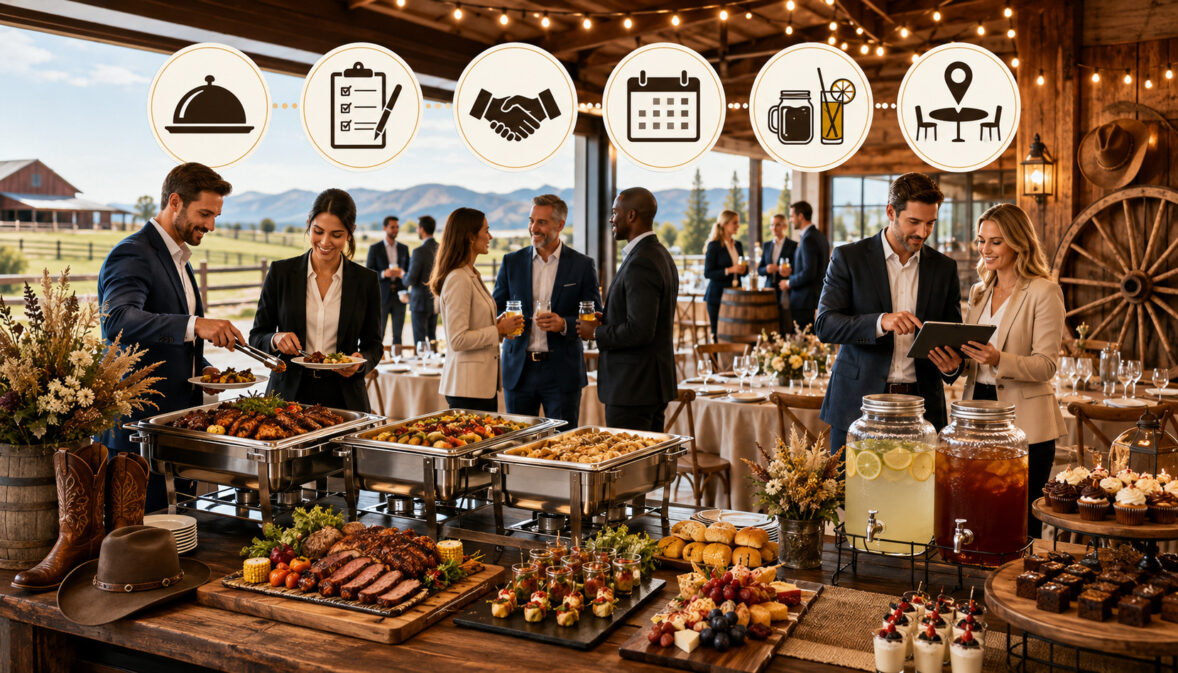
Western catering brings comfort, character, and a little frontier fun to professional events without making the gathering feel too casual or chaotic. Done well, it gives guests familiar food, a clear theme, and a relaxed atmosphere that still works for meetings, client receptions, employee appreciation events, company picnics, conferences, and office celebrations.
The key is balance. A western theme can mean smoked meats, cornbread, chili, sliders, rustic food stations, iced tea, cobbler, and warm hospitality. It does not have to mean hay everywhere, oversized props, or messy plates that make networking awkward. For corporate gatherings, the best menus feel festive but organized, hearty but inclusive, and themed but still professional.
This guide covers practical Western Catering Ideas for Corporate Gatherings, including menu planning, service styles, dietary needs, guest flow, setup, food safety, budgeting, decor, and common mistakes to avoid.
It is designed for event planners, office managers, HR teams, executive assistants, venue coordinators, hospitality teams, and business owners who want a western-themed event that feels thoughtful from the first appetizer to the final cleanup.
Successful western-themed corporate event catering depends on the event type, guest count, service style, venue setup, budget, dietary requirements, timing, food safety, presentation, staffing, and vendor coordination.
The more clearly those details are planned, the easier it becomes to choose the right western catering menu ideas for the occasion.
Why Western Catering Works for Corporate Gatherings
Western catering works well for corporate gatherings because it combines comfort food, visual personality, and flexible service options.
Many business events struggle to feel warm and memorable because the food is too generic or the format feels stiff. A western theme gives planners a built-in style that can be relaxed, polished, rustic, upscale, casual, or playful depending on the event.
The menu is also highly adaptable. Corporate western catering can include barbecue catering, smoked meats, grilled chicken, vegetarian chili, roasted vegetables, taco bars, boxed lunches, sliders, cornbread, baked beans, salads, cobblers, cookies, brownies, and beverage stations. That flexibility makes it easier to serve mixed groups with different schedules, appetites, and dietary needs.
Western food also fits many professional settings. A small office lunch might use boxed brisket sandwiches, grilled vegetable wraps, and individual sides.
A company picnic might call for a western BBQ buffet with ribs, pulled pork, mac and cheese, coleslaw, and lemonade. A client reception may work better with upscale appetizers, mini sliders, smoked chicken skewers, cornbread bites, and mocktails.
The theme also encourages a more social guest experience. Buffet lines, food stations, chili bars, and taco bars naturally invite conversation. At networking events, that matters because food can either help people mingle or trap them at tables with heavy plates and awkward utensils.
Another reason western corporate catering works is that it can be adjusted to match the tone of the organization. A leadership retreat can keep the presentation refined with plated smoked chicken, roasted vegetables, and skillet-style desserts.
A team-building event can lean into casual self-serve stations and rustic decor. A holiday party can use a saloon theme with elevated appetizers and warm desserts.
For more inspiration on how themes can shape business events, planners can review ideas around themed catering experiences for weddings and corporate events. The useful takeaway is that food, layout, presentation, and guest flow should support the event’s purpose rather than simply decorate it.
Match the Menu to the Corporate Event Type
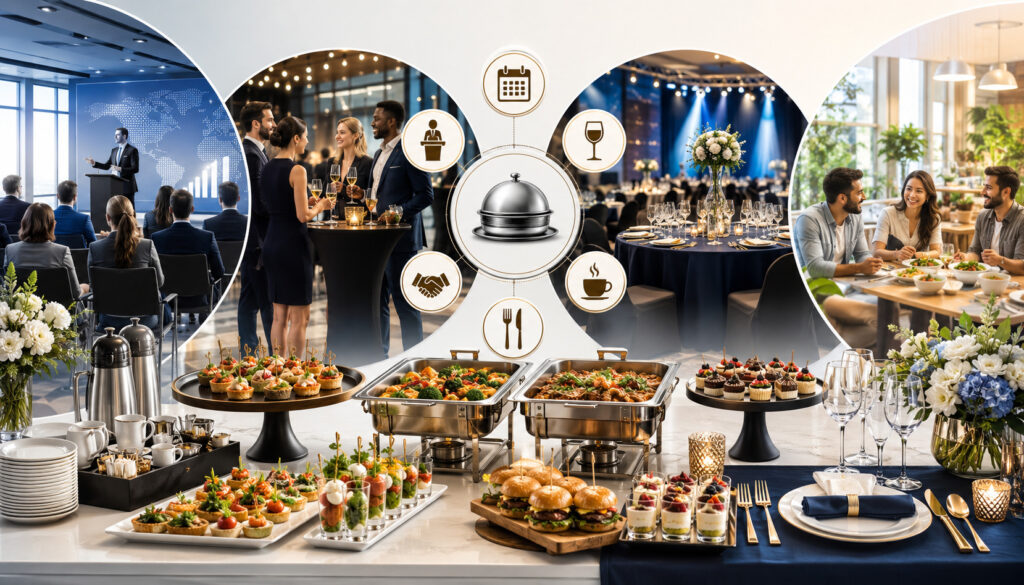
One of the most important steps in planning western catering ideas is matching the menu to the kind of corporate gathering you are hosting. A menu that works beautifully for an outdoor team-building event may be too messy for a client reception. A plated meal that feels polished for executives may be too slow for a large employee lunch with staggered break times.
The event type should guide the portion size, serving format, menu complexity, and presentation style. Corporate event catering ideas should never be chosen only because they sound fun. They should also fit the schedule, venue, guest expectations, dress code, and amount of time people have to eat.
For example, an office lunch usually needs speed, neat portions, and easy cleanup. A conference meal needs predictable timing and strong buffet flow. A company picnic can handle larger portions and more casual foods.
A networking event benefits from small bites that guests can eat while standing. A client appreciation event may need a more polished presentation, stronger beverage service, and fewer messy sauces.
Western-themed catering ideas for business events can be adjusted across all of these formats. The same theme can appear as a rustic boxed lunch, a barbecue buffet, a plated meal, a chili bar, a taco bar, or a reception-style appetizer spread.
Company Picnic Catering
A company picnic is one of the easiest settings for western BBQ catering because guests usually expect casual comfort food and an outdoor-friendly menu. Smoked brisket, ribs, pulled pork, grilled chicken, corn on the cob, potato salad, coleslaw, baked beans, watermelon, cookies, and lemonade all fit naturally.
The main planning challenge is logistics. Outdoor events need shade, ice, serving tables, trash stations, hand-sanitizing areas, backup weather plans, and clear timing for food service. If the picnic includes games or activities, the meal should be scheduled so guests are not trying to eat ribs while moving between team-building stations.
For larger company picnics, buffet service or self-serve stations often work better than plated meals. Multiple serving lines can prevent bottlenecks. For mixed-age or family-friendly corporate picnics, consider mild sauces, kid-friendly sides, vegetarian options, and clearly labeled allergens.
Employee Appreciation Lunches
Employee appreciation events should feel generous without being difficult to eat during a workday. This is where office western catering can shine. A western lunch can include brisket sandwiches, pulled pork sliders, grilled chicken plates, vegetarian taco bowls, cornbread, mac and cheese, roasted vegetables, salads, brownies, and iced tea.
For busy teams, boxed lunches may be more practical than a buffet. They reduce wait time, simplify portion control, and make it easier for employees to eat in shifts. If the event is meant to encourage mingling, a buffet or food station format may be better because it creates a shared experience.
A thoughtful employee appreciation lunch should also include dietary accommodations. Vegetarian options, gluten-free options, lighter sides, and allergy labels show that the event was planned with the full team in mind.
Client Reception Menus
Client receptions need western food ideas for corporate events that are stylish, neat, and easy to enjoy while talking. Instead of full racks of ribs or sauce-heavy barbecue plates, consider mini brisket sliders, smoked chicken skewers, bite-size cornbread muffins, jalapeño-cheddar bites, roasted vegetable cups, mini taco cones, barbecue meatballs, and small dessert jars.
A reception menu should reduce spills and strong smells. Guests may be wearing business attire and holding drinks, phones, or business cards. Foods should be small enough to eat in one or two bites, with servingware that supports standing conversation.
Presentation matters more here than at a casual office lunch. Rustic trays, small cast-iron-style serving pieces, wood-toned displays, simple menu cards, and coordinated beverage stations can create a western theme without making the event feel like a costume party.
Team-Building Event Food
Team-building events often need food that supports movement, conversation, and flexible timing. Food stations are a strong choice because guests can build their own plates and return between activities.
A chili bar, taco bar, slider station, grilled chicken station, baked potato bar, or build-your-own barbecue bowl station can keep the energy relaxed and interactive.
The menu should not be too heavy if activities happen after the meal. Smoked meats can be balanced with salads, roasted vegetables, grilled corn, fruit, and lighter beverage options. For events with physical activities, avoid overly greasy foods that may leave guests uncomfortable.
Western BBQ Catering Ideas for Business Events
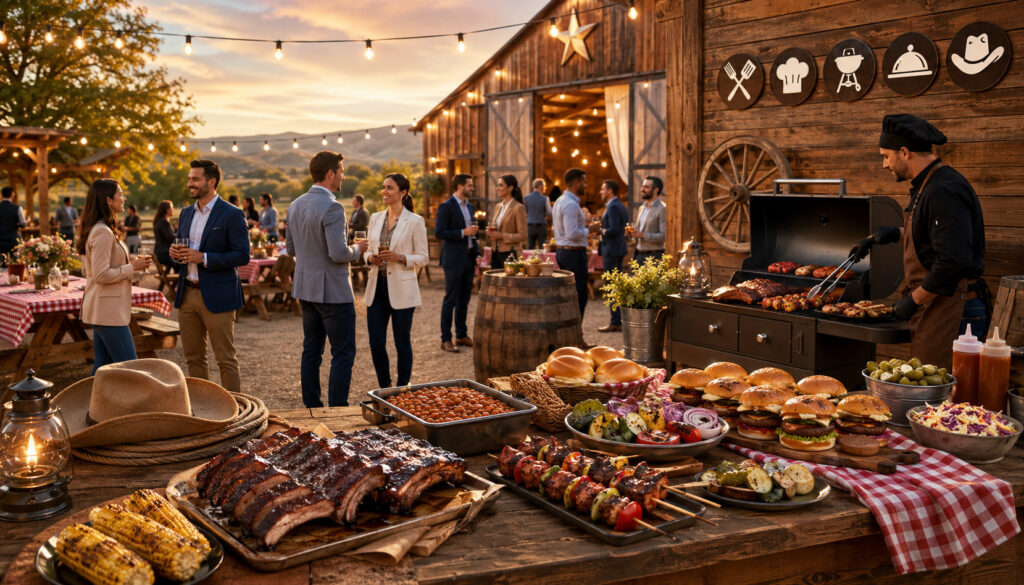
Western BBQ catering is one of the most popular forms of corporate western event food because it feels hearty, familiar, and festive.
It can work for office lunches, employee celebrations, outdoor gatherings, casual executive retreats, conferences, and customer appreciation events. The trick is choosing barbecue items that match the level of formality and the practical realities of the venue.
A barbecue menu can be simple or elaborate. A smaller office lunch might feature pulled pork, grilled chicken, buns, coleslaw, baked beans, and brownies.
A larger corporate party might include brisket, ribs, smoked sausage, chicken, vegetarian chili, mac and cheese, potato salad, cornbread, cobbler, cookies, iced tea, lemonade, and mocktails.
Barbecue service also needs smart temperature planning. Hot foods should stay hot, cold sides should stay cold, and service should be timed so guests are not eating food that has been sitting too long.
The FDA’s guidance on serving safe buffets notes the importance of safe cooking temperatures and careful buffet handling, while USDA grilling guidance emphasizes using thermometers because color alone is not a reliable safety indicator for meats and poultry.
Western BBQ Buffet
A western BBQ buffet is ideal when you want variety and efficient service for a medium or large group. Guests can choose their proteins, sides, sauces, and portions, which helps accommodate different preferences.
A strong buffet might include brisket, pulled pork, grilled chicken, vegetarian chili, baked beans, mac and cheese, cornbread, coleslaw, potato salad, green salad, pickles, and dessert.
For corporate settings, buffet layout is just as important as menu selection. Put plates at the beginning, utensils and napkins at the end, and sauces near the proteins but not where they slow the line. If possible, create two identical buffet lines for groups over a modest size, especially when everyone has the same lunch window.
Label dishes clearly. Include notes for common allergens, vegetarian items, gluten-free items, and spicy foods. This helps guests make quick choices and reduces the need for staff to answer the same questions repeatedly.
Brisket and Smoked Meats
Brisket is a classic choice for western corporate catering because it feels substantial and special. It can be served sliced on platters, chopped for sandwiches, or portioned into bowls. Smoked sausage, ribs, turkey, and chicken can round out the menu for guests who want different textures and flavors.
For business event catering, portion control matters. Brisket is rich, so it pairs well with lighter sides such as roasted vegetables, green salad, vinegar slaw, grilled corn, or fresh fruit. If the gathering includes afternoon meetings, avoid making the meal so heavy that guests feel sluggish afterward.
Smoked meats also need careful holding and serving. Work with the caterer or venue team to confirm warming equipment, serving pans, carving needs, and replenishment timing. The CDC’s grilling safety resources advise using a food thermometer and maintaining safe smoking temperatures, which is especially relevant for events built around smoked meats.
Pulled Pork and Sliders
Pulled pork is versatile, budget-friendly in many menus, and easy to serve for corporate gatherings. It can be offered as a sandwich, slider, taco filling, baked potato topping, or barbecue bowl ingredient. Because it is easy to portion, pulled pork often works well for buffets, boxed lunches, and food stations.
Sliders are especially useful for networking events and casual office parties. Mini pulled pork sliders, brisket sliders, grilled chicken sliders, and vegetarian barbecue mushroom sliders give guests a western flavor without requiring a full plate. Pair them with small sides like slaw cups, cornbread bites, or roasted potato skewers.
For professional settings, consider serving sauces on the side. This allows guests to control sweetness, spice, and mess. It also helps people with dietary concerns avoid ingredients that may not work for them.
Chili Bar
A chili bar is one of the most flexible western catering menu ideas because it can serve meat-eaters, vegetarians, gluten-free guests, and spice-sensitive guests with the right planning.
Offer a traditional beef chili, a chicken chili, and a vegetarian bean chili. Add toppings such as shredded cheese, green onions, jalapeños, sour cream, tortilla strips, cornbread crumbles, and diced tomatoes.
Chili works well for office lunches, fall gatherings, winter employee events, team-building days, and casual networking events. It is also easy to serve in bowls or cups, making it practical for guests who may be seated in a conference room or mingling in a reception space.
The main concern is temperature control. Chili should be held safely and replenished in manageable batches. Use sturdy bowls and spoons, provide napkins nearby, and place toppings in a logical order to keep the line moving.
Taco Bar
A taco bar brings a Southwestern-style twist to cowboy-themed corporate catering and works especially well when you need customization. Guests can build tacos, bowls, or salads with grilled chicken, brisket, pulled pork, beans, roasted vegetables, rice, lettuce, salsa, cheese, guacamole, and corn tortillas.
This format is helpful for dietary restrictions because people can choose what goes into their meal. Corn tortillas can support gluten-free needs when cross-contact is controlled, beans and vegetables support vegetarian guests, and lighter toppings help balance heavier proteins.
For professional gatherings, keep taco fillings easy to handle. Avoid overfilled shells and provide bowls as an option. A taco bowl is often easier to eat during meetings or while seated at a temporary event table.
Buffet, Boxed Lunch, Plated, and Food Station Options
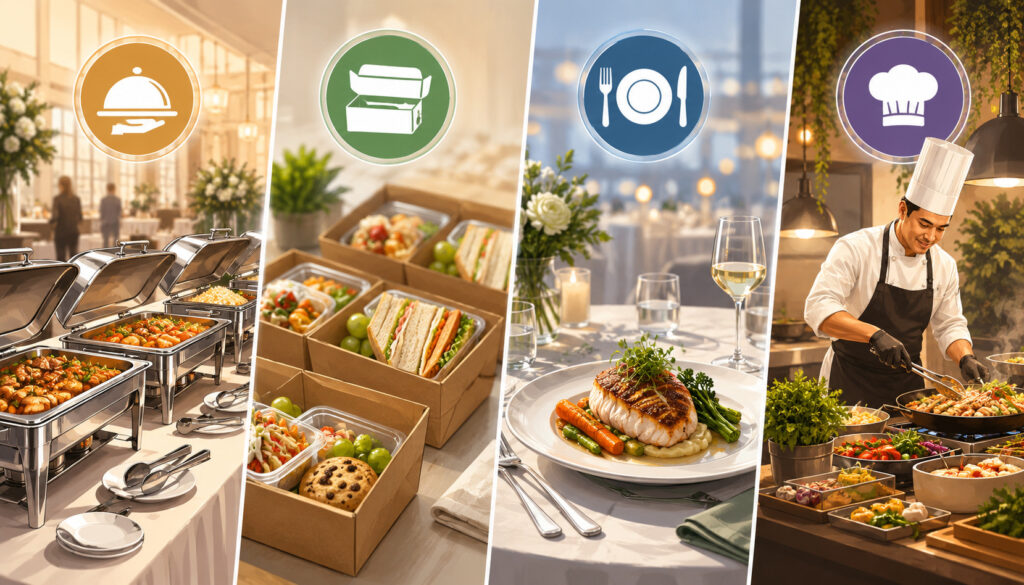
Choosing the right service style is just as important as choosing the menu. Western party catering can be casual or polished depending on whether it is served as a buffet, boxed lunch, plated meal, food station, appetizer reception, or self-serve setup. Each format affects guest flow, staffing, budget, cleanup, food temperature, and the overall event experience.
For corporate gatherings, the best service style usually depends on how much time guests have, how formal the event is, whether the venue has a kitchen or prep area, and whether guests will eat seated or while mingling. A beautiful menu can feel disorganized if the serving format does not match the schedule.
Before booking, ask practical questions. Will everyone eat at the same time? Are guests arriving in waves? Is the event indoors or outdoors? Is there enough room for buffet tables? Are staff needed to serve proteins? Will guests need to carry plates upstairs, across a lawn, or into a meeting room? Will the event include presentations during the meal?
These details help determine whether corporate western catering should be boxed, plated, buffet-style, station-based, or reception-style.
Boxed Lunch Options
Boxed lunches are practical for office lunches, trainings, conferences, field days, and meetings with tight schedules. They are easy to distribute, reduce lines, and simplify cleanup. A western boxed lunch might include a brisket sandwich, grilled chicken wrap, vegetarian barbecue bowl, cornbread muffin, slaw, fruit, cookie, and bottled beverage.
Boxed lunches also help with RSVP tracking and dietary planning. Guests can select from menu categories in advance, such as smoked turkey, pulled pork, grilled chicken, vegetarian, gluten-free, or lighter option. This reduces waste and helps planners avoid guessing.
The downside is that boxed lunches feel less festive than buffets or food stations. To make them feel more intentional, use clear labels, attractive packaging, coordinated side choices, and a small shared beverage or dessert station.
Plated Service
Plated service works best for executive meals, awards dinners, client appreciation events, and formal business celebrations. It creates a more polished experience and keeps guests seated during speeches or presentations.
Western corporate catering can still feel themed with plated smoked chicken, sliced brisket, roasted vegetables, mashed potatoes, cornbread, and a skillet-style dessert.
The main advantage of plated service is control. Portions, timing, presentation, and pacing are easier to manage. The main disadvantage is that it usually requires more staffing, more detailed RSVPs, and stronger coordination with the venue.
Plated service also works best when dietary needs are confirmed early. Guests should have a way to indicate vegetarian, gluten-free, allergy-related, or other meal needs before the event. The service team should know where special meals are going so guests do not have to explain their needs repeatedly.
Food Stations
Food stations are excellent for western-themed corporate event catering because they make the meal interactive. Instead of one long buffet, guests move between stations such as a slider bar, chili bar, taco bar, baked potato station, salad station, dessert table, and beverage station.
Stations reduce congestion when spread out properly. They also allow planners to create variety without forcing every guest through the same line. For networking events, food stations can become natural conversation points.
The challenge is space. Stations need enough room for guests to gather without blocking entrances, registration tables, or presentation areas. Each station also needs serving utensils, trash access, signage, and staff if the food requires portioning.
For more ideas on matching food stations with event mood and flow, planners may find useful concepts in this guide to thematic food stations.
Casual Self-Serve Setups
Self-serve setups work for relaxed office parties, small team lunches, and informal celebrations. A self-serve western spread might include trays of sliders, salads, chips, cornbread, cookies, brownies, iced tea, and lemonade. This style keeps staffing needs lower and allows guests to eat when convenient.
However, self-serve does not mean unplanned. Someone still needs to monitor food levels, temperature, cleanliness, trash, and beverage refills. A casual setup can become messy quickly if no one owns the event-day details.
Use self-serve only when the menu is simple, the guest count is manageable, and the food can be kept safe throughout service. For larger groups, staffed buffet service is often a better choice.
Appetizers, Finger Foods, and Easy Networking Menu Ideas
Appetizers and finger foods are ideal for networking events, client receptions, open houses, office celebrations, and pre-meeting hospitality.
They allow guests to move around, talk comfortably, and enjoy the western theme without committing to a full meal. This is especially useful when the event schedule includes short presentations, product demos, awards, or informal mingling.
The best western appetizers are flavorful but not too messy. Think mini brisket sliders, smoked chicken skewers, cornbread bites, barbecue meatballs, jalapeño-cheddar hushpuppies, tortilla cups, mini tacos, deviled eggs, roasted vegetable skewers, smoked turkey pinwheels, and small cups of chili. These options create variety while staying practical.
For professional gatherings, avoid foods that drip heavily, require aggressive cutting, or leave sticky fingers. Ribs may be perfect for a company picnic but less ideal for a reception where guests are shaking hands. Saucy wings may be popular, but they can be risky around laptops, business cards, white shirts, and presentation materials.
Appetizer portions should match the event timing. If the reception replaces dinner, plan a heavier spread with protein, vegetables, starches, and desserts. If appetizers are served before a seated meal, lighter bites are enough. For a short networking event, small savory items plus a beverage station may be all that is needed.
Appetizers for Networking
Networking food should be easy to eat with one hand. Guests may be holding a beverage, phone, notebook, or name badge. That means bite-size portions, skewers, cups, and small plates work better than full sandwiches or saucy entrees.
Good choices include:
- Mini brisket or chicken sliders
- Smoked chicken skewers
- Cornbread muffins with honey butter
- Barbecue meatballs
- Vegetable cups with ranch-style dip
- Mini taco cups
- Sweet potato bites
- Deviled eggs with smoky seasoning
- Cheese and charcuterie-style boards with rustic crackers
- Small chili cups with spoons
Keep trash and napkin stations visible. Guests should not have to walk across the room to discard skewers or cups. This small detail can keep the room cleaner and more comfortable.
Reception-Style Western Menus
A reception-style western menu can feel polished while still being fun. Instead of full barbecue plates, use a collection of small bites and stations. For example, offer a slider station, roasted vegetable display, small salad cups, chili shooters, cornbread bites, and mini cobblers.
This format is especially useful for client receptions because it gives guests choices without slowing conversation. It also gives the host more flexibility with timing. Food can be refreshed throughout the event rather than served all at once.
For a more upscale western theme, use clean presentation and simple decor. Wood-toned trays, neutral linens, small chalkboard-style labels, warm lighting, and subtle rustic accents can do more than oversized props. The goal is atmosphere, not clutter.
Sides, Desserts, and Beverage Ideas for a Western Theme
Sides, desserts, and beverages often determine whether a western catering menu feels complete. Proteins may get the most attention, but the right sides and drinks balance the meal, support dietary needs, and improve guest comfort. They also help the theme feel cohesive without relying only on barbecue.
Classic sides include baked beans, cornbread, mac and cheese, potato salad, coleslaw, roasted vegetables, green salad, grilled corn, mashed potatoes, ranch-style beans, and seasonal fruit. For corporate gatherings, it is smart to include both hearty and lighter sides so guests can build the plate they want.
Desserts can carry the western theme in a simple and memorable way. Cobbler, cookies, brownies, hand pies, bread pudding, mini pies, and dessert bars all work well. For polished events, individual dessert cups or small portions are easier to serve than large trays that require cutting.
Beverage planning matters more than many teams realize. A western beverage station can include iced tea, lemonade, sparkling water, infused water, coffee, hot tea, and mocktails.
For daytime events, non-alcoholic options should be abundant and easy to refill. For evening corporate parties, any beverage service should align with venue rules, company policies, and transportation considerations.
Dessert Table Ideas
A western dessert table can be simple, generous, and visually appealing. Peach cobbler, apple cobbler, brownies, cookies, pecan-style bars, mini pies, and cinnamon sugar bites all fit the theme. For corporate events, individual servings help with portion control and cleanliness.
Mini desserts are especially useful for networking events. Guests can try one or two items without needing a full plate. For seated meals, a plated cobbler or warm brownie can feel more complete.
Label desserts clearly, especially if they contain nuts, dairy, gluten, or other common allergens. Dessert tables are often where allergy planning gets overlooked because the main meal receives most of the attention.
Beverage Station Planning
A beverage station should be easy to find, easy to refill, and separated from the main buffet when possible. If drinks are placed directly beside the food line, guests may slow the flow while filling cups, adding ice, or choosing sweeteners.
For a western theme, iced tea and lemonade are natural choices. Add water, sparkling water, coffee, and unsweetened options for balance. For longer events, plan refills in advance and assign someone to monitor ice, cups, lids, stirrers, napkins, and trash.
Mocktails can add a festive feel without complicating the event. Examples include sparkling lemonade, berry iced tea, citrus mint coolers, or a “frontier fizz” with sparkling water and fruit. Keep names fun but professional.
The FDA notes that bacteria can multiply faster in the temperature range between 40°F and 140°F, so beverage stations with dairy-based creamers, cut fruit, or perishable garnishes should be handled thoughtfully and refreshed as needed through safe service practices.
Planning for Dietary Restrictions and Guest Preferences
Modern corporate event catering must account for dietary restrictions, food allergies, religious or personal food preferences, wellness goals, and varying comfort levels with spicy or heavy food. Western catering can absolutely be inclusive, but only when planners make accommodations part of the early planning process instead of treating them as last-minute exceptions.
Start by collecting dietary information during RSVP tracking. Keep the form simple but specific. Ask about vegetarian, vegan, gluten-free, dairy-free, nut allergies, shellfish allergies, and other serious allergies. For larger events, share the counts with the caterer early so the menu can be planned realistically.
The goal is not to make every dish work for every person. The goal is to ensure every guest can build a satisfying plate safely and comfortably.
A western buffet with brisket, pulled pork, chicken, beans, salad, cornbread, and mac and cheese may look abundant, but a vegetarian gluten-free guest may have very few options if the beans contain meat and the salad has croutons.
Labeling is essential. Guests should not have to guess whether a chili contains beef, whether cornbread contains gluten, or whether a sauce includes dairy. Clear labels reduce confusion and help service staff answer questions accurately.
Vegetarian Western Menu Ideas
Vegetarian western catering can be hearty and theme-appropriate. Good options include vegetarian chili, barbecue jackfruit sliders, grilled vegetable tacos, black bean burgers, roasted sweet potato bowls, mac and cheese, grilled corn, green salads, baked potatoes, cornbread, and vegetable skewers.
The best vegetarian dishes should not feel like afterthoughts. A single plain salad is not enough for an employee appreciation lunch or corporate party. Vegetarian guests should have access to protein, sides, and satisfying flavors.
For mixed buffets, keep vegetarian items separate from meat dishes and provide separate utensils. Beans cooked with pork, vegetables grilled on meat-contaminated surfaces, or shared tongs can create problems for guests with dietary or ethical concerns.
Gluten-Free Options
Many western food ideas can be adapted for gluten-free guests, but cross-contact must be considered. Grilled meats, beans, roasted vegetables, potato salad, coleslaw, corn tortillas, rice bowls, and salads may be gluten-free depending on ingredients and preparation. Sauces, marinades, buns, cornbread, fried items, and desserts often require closer review.
For a taco bar, corn tortillas and rice bowls can provide flexible gluten-free options. For barbecue, serve proteins without buns and confirm whether rubs and sauces contain gluten. For boxed lunches, gluten-free packaging should be clearly marked and kept separate from standard meals.
Do not label a dish gluten-free unless the caterer can support that claim based on ingredients and handling. For guests with celiac disease or serious sensitivity, cross-contact matters as much as the recipe itself.
Food Allergies and Labeling
Food allergies require careful communication. Common allergens may appear in sauces, desserts, dressings, breads, spice blends, and toppings. Nut-based desserts, dairy-heavy sides, egg-based salads, wheat-containing breading, and soy in sauces are easy to miss.
Use clear menu cards and ask the caterer how allergen information will be provided. For larger events, consider a designated staff member who can answer food questions or direct guests to the right contact. Avoid vague labels like “safe” or “allergy-friendly” unless the preparation process truly supports that wording.
The CDC and FDA both emphasize safe food handling practices such as avoiding cross-contamination and using proper cooking and holding methods. Those principles matter in corporate catering because food is often prepared, transported, held, served, and refreshed over a period of time.
Corporate Catering Logistics: Guest Count, Timing, Setup, and Service
Great corporate western catering is not only about the food. Logistics decide whether guests experience the meal as smooth and enjoyable or crowded and confusing. Guest count, RSVP tracking, event timeline, setup, cleanup, rentals, table layout, staffing, equipment, temperature control, and contingency planning all shape the final outcome.
Begin with guest count. Estimate carefully, but do not rely only on a calendar invite. Corporate gatherings often have last-minute changes, no-shows, walk-ins, and executives who bring additional guests. Build a realistic buffer with your caterer, especially for popular items like brisket, sliders, and desserts.
Next, map the event timeline. When will the caterer arrive? When can setup begin? When should food be ready? Will guests arrive all at once or in waves? Is there a presentation, awards program, or team activity that affects service timing? Does the venue require cleanup by a specific time?
The venue layout also matters. Buffet tables need room on both sides if staff are serving. Beverage stations should not block traffic. Trash bins should be visible but not placed directly beside food. Power access may be needed for warming equipment, coffee service, lighting, or refrigeration.
For safety, food temperature control should be part of the plan from the beginning. USDA guidance on take-out and delivered foods advises keeping cold foods at 40°F or below and refrigerating perishable foods within two hours, or within one hour in very hot conditions.
That principle is highly relevant for catered corporate meals, especially outdoor events and long buffets.
Guest Count Planning
Guest count planning starts with RSVPs but should not end there. Track confirmed attendees, invited guests, likely walk-ins, staff, speakers, vendors, and executives. Include setup crews or event staff if meals are being provided to them.
For buffets, portion planning depends on the number of proteins, sides, and desserts. If there are multiple protein options, not every guest will take a full portion of each, but popular items may run faster than expected. Ask the caterer how they calculate portions for mixed menus.
For boxed lunches, count meal selections carefully and add a practical buffer. It is wise to include extra meals that serve broad needs, such as vegetarian, grilled chicken, and gluten-free options. Do not order all extras in one meat-heavy category.
Catering Timeline
A catering timeline should include ordering deadlines, RSVP deadlines, menu confirmation, dietary counts, venue access, delivery arrival, setup time, food service start, replenishment timing, dessert service, breakdown, and cleanup.
For example, a lunch scheduled at noon may require caterer arrival at 10:30 or 11:00 depending on the venue and menu. A barbecue buffet may need more setup than boxed lunches because warming equipment, serving utensils, sauces, side dishes, and labels must be arranged.
Build in a buffer. Meetings run late, elevators get busy, parking can be difficult, and outdoor events may require extra setup time. A realistic timeline prevents stress and gives staff time to make the presentation look intentional.
Setup, Cleanup, and Rentals
Setup and cleanup should be confirmed before the event day. Do not assume the caterer provides everything unless it is written into the agreement. Clarify who handles tables, linens, serving utensils, chafing dishes, ice, trash bags, recycling, signage, extension cords, buffet decor, and cleanup.
Rentals may be needed for larger events or venues without built-in equipment. This can include tables, chairs, linens, tents, heaters, fans, serving stations, beverage dispensers, coolers, and trash containers.
Cleanup is especially important for western BBQ catering because sauces, bones, disposable plates, and beverage cups can pile up quickly. Assign trash points throughout the venue and make sure someone monitors them during the event.
Food Safety
Food safety is not the most glamorous part of western-themed corporate event catering, but it is one of the most important. Barbecue, buffets, outdoor service, and long event windows all require careful planning.
Key food safety considerations include:
- Cooking meats to safe internal temperatures
- Keeping hot foods hot and cold foods cold
- Avoiding cross-contamination between raw and cooked foods
- Using clean serving utensils
- Replacing small trays rather than overfilling large trays
- Monitoring buffet time limits
- Refrigerating leftovers according to safe handling guidance
- Keeping food covered when appropriate
- Providing hand-sanitizing access at outdoor or casual events
USDA grilling guidance recommends using a thermometer to confirm safe internal temperatures, including 165°F for poultry and 160°F for ground meats. The FDA’s buffet safety resources also emphasize temperature control and safe serving practices for foods held over time.
Rustic Presentation, Decor, and Guest Experience Ideas
A western theme should support the guest experience, not overwhelm it. Rustic decor, saloon-inspired accents, warm lighting, wood textures, simple signage, and coordinated serving displays can make corporate western catering feel immersive without distracting from the purpose of the event.
The best presentation choices depend on the setting. A conference lunch may only need clean buffet labels, subtle rustic linens, and a neat beverage station.
A company picnic may use picnic tables, gingham accents, barrels, string lights, and larger signage. A client reception may use elevated trays, neutral colors, small floral arrangements, and polished service pieces.
Avoid clutter. Too many props can reduce serving space, block guest flow, and make the event feel less professional. Instead, focus on a few high-impact details that tie the menu and space together.
Guest experience also includes comfort. Are there enough seats? Is the buffet easy to reach? Can guests with mobility concerns navigate the layout? Are beverages easy to find? Is there shade outdoors? Are trash stations visible? Is the event accessible to people with different dietary needs?
For broader catering planning topics, the site’s catering category offers additional context on food experiences, service formats, and themed menu planning.
Rustic Table Setup
A rustic table setup can include wood-toned boards, simple linens, metal trays, kraft-style menu cards, lantern-style centerpieces, and small western accents. Keep the overall look clean and intentional. Corporate events still need room for plates, laptops, notebooks, name tags, and beverages.
For buffets, use risers to create height and make food easier to see. Put labels at eye level when possible. Keep sauces and toppings contained so the station does not become messy.
For seated meals, centerpieces should be low enough for conversation. Avoid strong scents, loose straw, glitter, or decor that may shed near food. Small details are better than distractions.
Saloon Theme Without Overdoing It
A saloon theme can be fun for corporate parties, holiday gatherings, and casual celebrations, but it should be adapted thoughtfully. Instead of turning the room into a stage set, use subtle touches such as mocktail signage, rustic beverage stations, warm lighting, barrel-style display elements, and western-inspired menu names.
Keep the tone appropriate for the organization. A playful internal team event can use more theme elements than a client reception. If clients, executives, or external partners are attending, aim for polished rustic rather than novelty decor.
Music, lighting, and seating also shape the theme. Acoustic background music, warm lights, and comfortable seating can create atmosphere without making conversation difficult.
Budgeting for Western-Themed Corporate Catering
Budgeting for western catering ideas for corporate gatherings requires more than comparing menu prices. The total cost may include food, staffing, delivery, rentals, setup, cleanup, taxes, gratuity, service fees, equipment, decor, beverages, dietary accommodations, and venue requirements. A lower per-person menu price may not be the best value if it excludes essentials.
Start with the event goal and guest count. A quick office lunch can use a simpler menu than a client reception. A company picnic may need more food volume, beverages, rentals, and outdoor equipment. A conference meal may need fast service, multiple buffet lines, and staff to keep the schedule on track.
Menu choices also affect budget. Brisket and ribs may cost more than pulled pork or grilled chicken. Plated service usually requires more labor than drop-off boxed lunches. Food stations can be efficient but may require additional staffing and equipment. Desserts, beverages, and rentals should be included early so they do not become surprise add-ons.
A practical budget should also include contingency. Extra guests, weather changes, venue restrictions, extended service time, and last-minute dietary requests can all affect costs.
Cost Factors to Consider
Common cost factors include:
- Guest count and portion sizes
- Protein choices
- Number of sides and desserts
- Service style
- Staffing needs
- Delivery distance and setup time
- Rentals and equipment
- Beverage service
- Dietary accommodation complexity
- Event length
- Venue rules
- Cleanup requirements
For example, a western buffet with two proteins, three sides, dessert, and beverages may require warming equipment, serving staff, buffet tables, and cleanup. A boxed lunch may have lower staffing needs but higher packaging costs. A client reception may use smaller portions but require more detailed presentation and more service support.
Use proposals that break out costs clearly. This makes it easier to compare options and adjust the menu without cutting the elements that matter most.
Where to Save Without Hurting the Experience
Planners can often control costs by simplifying the menu rather than reducing quality. Choose two strong proteins instead of four. Use one signature dessert instead of a large dessert spread. Offer iced tea, lemonade, and water instead of complicated beverage service. Use seasonal sides and clear portions.
Another option is to use a hybrid service style. For example, serve proteins from a staffed station but make sides self-serve. Or use boxed lunches with a shared dessert and beverage station to make the meal feel more festive.
Avoid cutting essentials like serving utensils, labels, trash service, temperature control, or staff for large events. Those details may not be exciting, but they protect the guest experience.
Common Mistakes to Avoid with Corporate Western Catering
Even strong western catering ideas can fall short when planning details are missed. Most problems are preventable with clear communication, realistic timing, and a menu that fits the event. Corporate gatherings have different needs than casual backyard parties, so the planning standards should be higher.
One common mistake is choosing foods that are too messy for the setting. Ribs, saucy wings, overloaded tacos, and dripping sandwiches may be fine for an outdoor company picnic but awkward for a client reception or executive meeting. Professional guests often need food they can eat neatly while talking, standing, or returning to work.
Another mistake is underestimating guest count. Corporate events often have late RSVPs, walk-ins, and schedule changes. Running out of food is uncomfortable, but over-ordering without a plan can waste budget. Use careful RSVP tracking and discuss realistic buffers with the caterer.
Ignoring dietary restrictions is also a major issue. A western buffet that only serves meat-heavy dishes, wheat-based breads, and dairy-rich sides can leave some guests without a real meal. Include vegetarian options, gluten-free options, allergy labels, and lighter sides from the beginning.
Planners also forget beverages. A generous food menu can still feel incomplete if water runs out, coffee is missing, or iced tea is not replenished. Beverage stations need cups, ice, sweeteners, stirrers, napkins, trash access, and refills.
Venue setup is another frequent source of trouble. Confirm elevator access, loading areas, table availability, power outlets, kitchen access, trash rules, and cleanup deadlines. Do not assume the venue has everything the caterer needs.
Food temperature control should never be an afterthought. Buffets, barbecue, dairy-based sides, cut fruit, and outdoor service all require safe holding and timing. FDA and USDA resources both stress the importance of safe temperatures and avoiding prolonged exposure in the danger zone.
Western Corporate Catering Checklist and Menu Planning Table
A checklist helps planners move from creative ideas to practical execution. Western-themed corporate catering has many moving parts, from menu selection to service flow, allergen labels, rentals, staffing, and cleanup. A checklist keeps the event organized and helps prevent last-minute surprises.
Use the checklist in three stages: before booking, during planning, and on event day. Before booking, clarify goals, guest count, budget, venue rules, service style, and dietary needs. During planning, confirm the menu, timeline, equipment, staffing, and layout. On event day, monitor setup, food labels, guest flow, temperature control, beverage refills, trash, and cleanup.
The table below offers practical Western Catering Ideas for Corporate Gatherings by event type. It can be adapted for small office lunches, large company picnics, client receptions, conference meals, indoor office parties, outdoor team events, and themed networking receptions.
| Event Type | Menu Idea | Best Service Style | Planning Tip |
| Small office lunch | Brisket sandwiches, grilled chicken wraps, slaw, fruit, cookies | Boxed lunches or drop-off buffet | Label meals clearly and include vegetarian extras |
| Executive meeting | Sliced brisket or smoked chicken, roasted vegetables, salad, plated dessert | Plated service | Keep sauces neat and portions moderate |
| Company picnic | Ribs, pulled pork, grilled chicken, baked beans, cornbread, lemonade | BBQ buffet | Plan shade, ice, trash, and backup weather coverage |
| Employee appreciation event | Pulled pork sliders, mac and cheese, roasted vegetables, brownies | Buffet or food stations | Offer lighter sides and dietary-friendly options |
| Client reception | Mini sliders, smoked chicken skewers, cornbread bites, dessert cups | Appetizer stations | Choose foods guests can eat while standing |
| Team-building event | Taco bar, chili bar, grilled vegetable station, beverage station | Food stations | Spread stations out to improve guest flow |
| Conference meal | BBQ bowls, salads, cornbread, cookies, water and iced tea | Buffet with multiple lines | Keep service fast and avoid overly messy foods |
| Indoor office party | Slider station, chili cups, salad, cobbler, mocktails | Self-serve or staffed stations | Protect flooring and place trash stations nearby |
| Outdoor networking event | Skewers, mini tacos, fruit, iced tea, lemonade | Appetizer stations | Use covered trays and monitor food temperatures |
| Holiday corporate party | Smoked meats, mashed potatoes, roasted vegetables, dessert bar | Plated or buffet | Match the theme to the event’s level of formality |
Before Booking
Before booking, define the basics:
- Event purpose
- Guest count estimate
- Date, time, and location
- Indoor or outdoor setting
- Service style preference
- Budget range
- Dietary restrictions
- Venue rules
- Setup and cleanup expectations
- Beverage needs
- Theme level
This stage is where planners should decide whether the event needs casual western party catering, polished corporate western catering, or a hybrid approach. It is also the right time to review educational planning resources, such as corporate catering topics, to think through business dining formats and guest expectations.
During Planning
During planning, turn the concept into a working event plan. Confirm the menu, service style, portion estimates, delivery time, staffing, rentals, layout, power needs, signage, and cleanup. Share the event timeline with the caterer and venue coordinator so everyone understands arrival times and service windows.
Ask for a final menu document that includes dish names, dietary notes, and service details. Confirm whether the caterer provides labels or whether your team needs to print them. If the event includes speakers or awards, coordinate food service around the program so guests are not standing in line during key remarks.
On Event Day
On event day, assign someone to be the point of contact. This person should know the timeline, layout, menu, dietary requests, venue rules, and cleanup plan. They should also be available when the caterer arrives.
Check that food labels are visible, beverages are stocked, trash stations are placed, buffet flow makes sense, and special meals are easy to identify. Monitor guest flow early so adjustments can be made before the line gets too long.
FAQs About Western Catering Ideas for Corporate Gatherings
What are good western catering ideas for corporate gatherings?
Good western catering ideas for corporate gatherings include barbecue buffets, boxed brisket lunches, pulled pork sliders, grilled chicken plates, chili bars, taco bars, baked potato stations, cornbread, mac and cheese, roasted vegetables, cobblers, cookies, iced tea, lemonade, and mocktails. The best choice depends on the event type, guest count, venue, schedule, budget, and dietary needs.
For networking events, focus on small bites and easy-to-eat appetizers. For company picnics, a western BBQ buffet works well. For executive meetings, plated smoked meats with polished sides may be more appropriate.
What foods work best for a western-themed corporate event?
The best foods are flavorful, practical, and easy to serve. Brisket, pulled pork, grilled chicken, smoked turkey, sliders, chili, tacos, baked beans, cornbread, coleslaw, potato salad, roasted vegetables, and cobbler are all strong choices.
For professional settings, avoid overly messy foods unless the event is casual and outdoor. Always include vegetarian options, gluten-free options where possible, and clear labels for allergens and spice levels.
Is BBQ a good choice for business event catering?
Yes, BBQ can be a good choice for business event catering when the service style and menu match the event. It works especially well for company picnics, employee appreciation lunches, casual client events, office parties, and team-building gatherings.
For more formal business events, choose neat portions, sauces on the side, polished sides, and staffed service. Food safety is also important, so work with the catering and venue teams to confirm proper holding, serving, and cleanup procedures.
How do you plan a western catering menu for dietary restrictions?
Start by collecting dietary information during RSVP tracking. Ask about vegetarian, vegan, gluten-free, dairy-free, food allergies, and other needs. Then build the menu so each guest has a complete meal, not just one side dish.
Good inclusive options include vegetarian chili, grilled vegetable tacos, barbecue jackfruit sliders, roasted vegetable bowls, salads, beans without meat, corn tortillas, fruit, and clearly labeled sauces. Confirm allergen handling and cross-contact procedures with the caterer.
What service style works best for corporate western catering?
The best service style depends on the event. Boxed lunches work well for trainings and office lunches. Buffets work well for employee appreciation events and company picnics. Plated service works well for executive meals and formal receptions. Food stations work well for networking events, team-building days, and themed corporate parties.
For larger groups, consider multiple buffet lines or distributed food stations to reduce wait times. For client-facing events, prioritize presentation and easy-to-eat portions.
How do planners estimate food quantities for a corporate western event?
Start with RSVP counts, then account for walk-ins, staff, speakers, and late additions. Discuss portion estimates with the caterer based on the number of proteins, sides, desserts, and service style. Buffets often require different planning than boxed lunches because guests choose their own portions.
For mixed menus, popular items such as brisket, sliders, and desserts may run faster. Add a reasonable buffer, but avoid over-ordering without a plan for storage, safety, or disposal.
What mistakes should planners avoid with western corporate catering?
Common mistakes include choosing messy foods for formal settings, underestimating guest count, ignoring dietary restrictions, forgetting beverages, failing to confirm setup space, overlooking serving equipment, not planning cleanup, and neglecting food temperature control.
Planners should also avoid forcing too many theme elements into the room. A clean rustic presentation usually works better than excessive props or decor that interferes with service.
What should be included in a western corporate catering checklist?
A western corporate catering checklist should include event goals, guest count, budget, venue rules, menu selection, dietary restrictions, service style, staffing, rentals, delivery timing, setup, table layout, food labels, beverage station details, trash plan, food safety needs, cleanup responsibilities, and contingency plans.
For outdoor events, add weather backup, shade, ice, hand-sanitizing stations, covered food service, and power access. For indoor events, confirm loading access, elevators, flooring protection, and room layout.
Conclusion
Western catering ideas for corporate gatherings can turn ordinary business meals into warm, memorable, and well-organized experiences. The theme works because it is flexible: it can be casual for a company picnic, polished for a client reception, efficient for an office lunch, interactive for a team-building event, and festive for a corporate party.
The strongest plans begin with the event’s purpose. From there, choose a service style that fits the schedule, a menu that fits the guests, and a layout that supports smooth movement. Balance smoked meats and barbecue favorites with vegetarian options, gluten-free options, lighter sides, clear labels, practical beverages, and thoughtful desserts.
Do not overlook logistics. Guest count, RSVP tracking, setup, cleanup, rentals, staffing, food safety, temperature control, vendor coordination, and contingency planning are what make western corporate catering feel professional instead of improvised.
A western theme should feel welcoming, flavorful, and fun, but it should also respect the realities of business events. When the menu, presentation, timing, and service plan work together, corporate western event food can support conversation, appreciation, team connection, and a stronger guest experience.
This article is for general educational purposes. Corporate catering needs can vary by event size, venue rules, service style, menu preferences, dietary requirements, budget, local rules, and vendor availability.