By Jermaine Thomas May 19, 2026
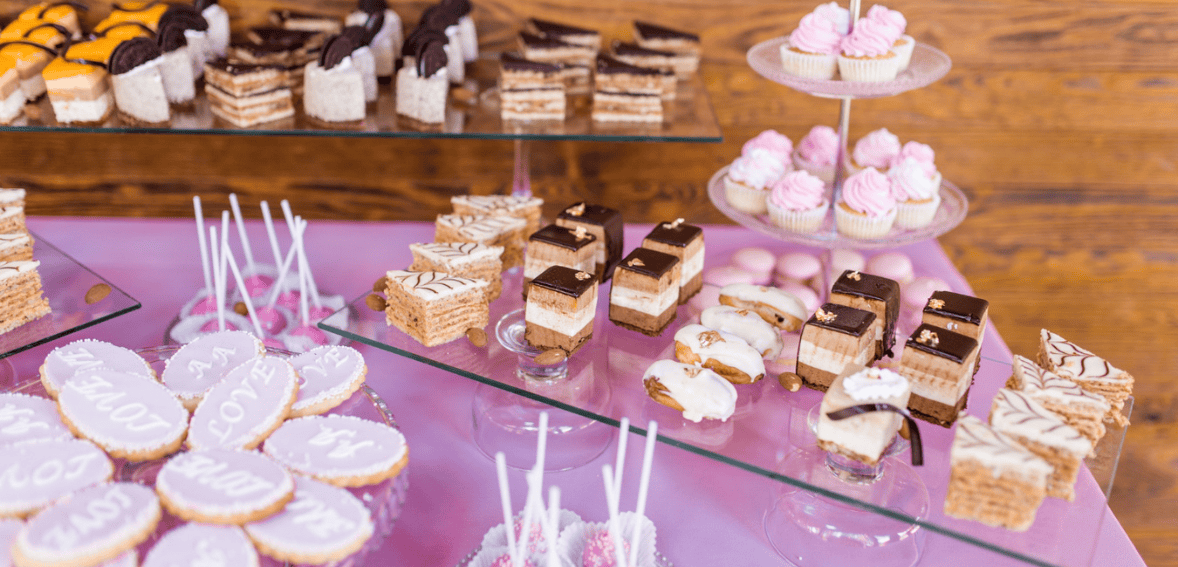
Something happens at events when the dessert station appears. The energy shifts. Conversations pause mid-sentence as guests notice the display, and then something genuinely social emerges as people move toward it together, pointing at options, making recommendations to each other, and taking the time to choose something that feels like a personal decision rather than an assigned plate. Dessert station catering has become one of the most talked-about elements of event food design precisely because it creates this kind of spontaneous, joyful interaction that more structured service formats simply cannot manufacture. The sweet bar is not just a more interesting way to serve dessert.
It is a social activation tool that changes the energy of an event in the final stretch when energy can otherwise flag, a visual centerpiece that creates the most photographed moments of many receptions and corporate gatherings, and an expression of the host’s personality and aesthetic sensibility that extends the event narrative into the sweetest possible final chapter.
Modern dessert displays have evolved from the standard sheet cake and ice cream sundae bar into genuinely sophisticated culinary installations that reflect the same creativity, the same global influences, and the same attention to visual drama that have transformed the broader catering landscape. Understanding what makes dessert station catering excellent, which formats and concepts are most effective for different event types, and how to execute these concepts with the quality and logistics discipline that events require is valuable knowledge for anyone planning, catering, or attending events where the sweet finale is as carefully considered as everything that precedes it.
Why Dessert Stations Have Replaced Traditional Dessert Service
The shift from plated dessert service to dessert station catering reflects the same underlying changes in how people want to experience events that have driven the broader movement toward interactive, guest-centered food service formats. Traditional plated dessert service, where the same dessert is delivered to every guest simultaneously at the conclusion of the meal, solves a logistical problem efficiently but creates an experience that is passive and undifferentiated. Every guest receives the same thing, chosen by someone else, at a time determined by the service schedule rather than by the guest’s appetite and preference.
The dessert station does exactly the opposite, putting guests in charge of their own eating experience by allowing them to decide what they will consume, when they will eat, and how much of it they will take, thereby creating a sense of plenty and individuality that is impossible to replicate with the plating method. It is precisely because the sweet bar event ideas provide such a pleasant feeling of plenty and individuality, which perfectly matches the atmosphere desired by most hosts, that there are so many of them today.
Unlike the dessert service, which requires guests to sit down and eat dessert together, the dessert station does not interfere with their conversation, and therefore does not seem premature, which means that its use is more appropriate for creating the desired atmosphere. In addition, interactive dessert catering is a perfect solution to the problem of dietary variety, which traditional plating does not handle very well. Since the dessert station has several desserts, guests can choose one that suits their dietary needs without feeling singled out due to having a separate plate.
Classic Sweet Bar Formats and Their Event Applications
The range of sweet bar formats available in modern dessert station catering encompasses everything from the straightforward to the theatrical, and matching the format to the event’s tone and the host’s aesthetic preferences is the first design decision in building a dessert station concept. The classic candy and confection bar, where jars and displays of various sweets, chocolates, and candies are arranged for guests to fill takeaway bags, remains popular for weddings and celebrations because of its visual appeal, its nostalgia value, and its role as a guest favor that provides both an event experience and something to take home.
The quality of the confection bar is entirely dependent upon the quality of the candy it includes, and the difference between fine chocolate, artisanal candy, and housemade confections, versus standard bulk candy, is instantly recognizable to the guest who interacts with the table. Contemporary dessert tables featuring a macaron tower or a croquembouche of cream puffs provide architectural elements that make for a visually arresting presentation as the centerpiece of a dessert bar and deliver individually sized desserts for guests to help themselves from while approaching.
The towers also lend themselves to the visual aspect of being diminished through interaction by the guests, which creates a sense of participation as well as urgency for added festive effect. Cheese-and-chocolate combinations, in which high-end cheese selections are paired with dark chocolate, honeycomb, fruits, and nuts, offering a sweet-and-savory hybrid dessert table, have gained considerable traction with guests who prefer savory options to finish a meal rather than overly rich sweets, and are especially effective at business events, where the crowd appreciates the sophistication of a concept that does not necessarily require sweetness at all costs.
Interactive Dessert Catering: Live Action and Guest Participation
Interactive dessert catering represents the highest-engagement format in the dessert station category, combining the visual appeal of a beautiful display with the theatrical quality of live preparation and the personal engagement of a dessert that is made specifically for the individual guest who ordered it. Live crepe stations where a skilled crepe maker prepares paper-thin crepes to order, offering a range of sweet fillings and toppings from classic Nutella and fresh strawberries to more complex preparations with caramelized fruits and flavored creams, create one of the most memorable dessert experiences available in event catering because the combination of watching the preparation, smelling the cooking, and receiving a personal creation produces a sensory richness that no pre-prepared dessert can match.
Liquid nitrogen ice cream stations in which ice cream is created almost instantly through the pouring of liquid nitrogen over a base and creating a theatrical presentation in the process, have become one of the defining elements of contemporary dessert presentations for occasions where high impact, attention-grabbing desserts are desired.
The theatrical element inherent to liquid nitrogen ice cream presentation, which features dramatic cloud-like effects and an impossible-to-ignore process in which liquid becomes frozen ice cream before guests’ eyes, creates a unique spectacle around which guests will form a crowd and create one of the most photographed elements at the occasion. Dessert catering options such as churro stations offering dipping sauces for the churros, donut walls where donuts are placed on a pegboard for guests to help themselves, and waffle stations featuring personalized mini waffles covered with multiple toppings are some examples of interactive dessert catering stations.
Themed and Seasonal Dessert Station Design
Sweet bar event ideas that are built around specific themes or seasonal aesthetics create a level of event cohesion that generic dessert offerings cannot achieve, because the dessert station becomes an expression of the event’s overall design narrative rather than a separate food moment appended to the end. A winter wedding where the dessert station is designed around a landscape of white and silver, featuring meringue kisses, white chocolate bark, crystallized fruits, and silver-dusted truffles arranged on a bed of fake snow with evergreen sprigs and fairy lights creates a visual environment that is integral to the event’s aesthetic rather than incidental to it.
A modern dessert presentation using seasonal fruits not only enhances the quality of the ingredient but also creates an image that is fresh and appeals directly to the taste buds of the sophisticated guests who can tell that the dish uses seasonal fruits. Using a summer garden party theme for a dessert bar that includes dessert recipes such as strawberry pavlovas, raspberry tarts, peach galettes, and lemon possets garnished with fresh herbs and edible flowers ensures that the dessert presentation is unique to that particular season and not generic like most celebrations.
Corporate functions require a dessert presentation that incorporates themes that relate to their brand or the particular function and include dessert presentation that uses the colors of the brand in the desserts along with the use of customized chocolates and cookies.
The Visual Architecture of Modern Dessert Displays
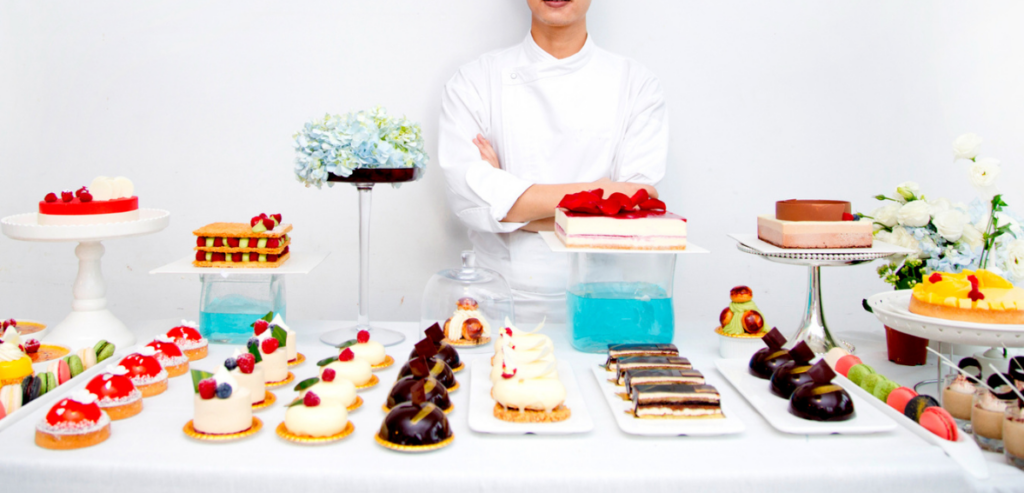
Modern dessert displays are designed as visual compositions as much as they are designed as food presentations, and the principles of visual design including height variation, color coordination, texture contrast, and negative space apply as directly to a dessert station as they do to any other designed environment. Height is one of the most important elements of dessert station visual design because it creates drama and draws the eye across the full display rather than presenting everything at the same level in a way that registers as a flat, undifferentiated mass of food.
Creating height with the help of cake stands, tiered serving platters, pedestals of different sizes, and other high items such as tower decorations, candle decorations, and floral installations adds the depth to the composition that transforms the dessert station into a visually impressive display from the distance rather than only up-close eye candy. Catering of the dessert station can include a color scheme that would be either monochromatic, meaning that all the elements would represent variations of one color range to create a cohesive and sophisticated effect, or complementary, which involves contrast between colors to highlight the variety in the offer.
While both styles allow for creating wonderful designs, the former one appears to look more elegant and appropriate for formal settings, whereas the latter style will create a festive atmosphere that would suit a celebration much better. The use of non-food decorative items, which include fresh flowers, candle decorations, fancy containers, foliage, and fabric for decorating the dessert station adds to the perception of the station as a thoughtfully designed installation rather than a simple food stand, thus elevating the perception of its contents.
Logistics and Execution Considerations
The visual beauty of modern dessert displays depends entirely on the logistical discipline of their setup and maintenance, because a dessert station that begins the event looking magnificent and ends it looking depleted and disorganized communicates a different message about the quality of the catering than one that maintains its visual integrity throughout the service period. Dessert station catering logistics require planning for replenishment, because high-demand items will be consumed faster than others and the display needs to be maintained as a complete, visually balanced composition throughout the event rather than being left to deplete unevenly.
Assigning a specific staff member to monitor and maintain the dessert station during the service period ensures that replenishment happens proactively rather than reactively, and that presentation standards are maintained as guests interact with the display. Temperature management is a critical logistics consideration for dessert stations that include items sensitive to heat, including chocolate displays, cream-based desserts, and ice cream or gelato stations, all of which require careful attention to ambient temperature and service duration to maintain both safety and quality throughout the event.
Interactive dessert catering stations where food is prepared live require staff with specific skills and with the equipment, mise en place, and preparation infrastructure to execute at the volume and pace that event service demands, which is a more significant operational requirement than simply displaying pre-prepared desserts and needs to be factored into staffing and setup planning from the earliest stages of event design.
Conclusion
Dessert station catering has earned its prominence in modern event food design by delivering something that traditional dessert service cannot: genuine guest engagement, visual drama, personal choice, and the kind of joyful, social energy that transforms the final moments of an event into one of its most memorable elements. Sweet bar event ideas executed with quality ingredients, thoughtful visual design, and careful logistics create dessert experiences that guests remember and describe when they recall the event as a whole.
Interactive dessert catering that combines live preparation with beautiful display creates the theatrical dimension that makes the dessert moment a genuine event highlight rather than a pleasant afterthought. Modern dessert displays that are designed as visual compositions, maintained throughout the service period, and built around the specific aesthetic and thematic identity of the event contribute to the overall event narrative in ways that generic dessert service never can. The investment in genuinely excellent dessert station design is an investment in the most social, most photographed, and most fondly remembered dimension of event food that the current catering landscape has to offer.