
By Jermaine Thomas January 28, 2026
Food choices are becoming an important part of how individuals, organisations, and event planners express their values. Over the past decade, catering has shifted beyond convenience and taste to include sustainability, health, and environmental responsibility. This change has given rise to plant forward catering, an approach that places plant based foods at the centre of menus while reducing reliance on animal based products. It does not necessarily require eliminating meat altogether, but it significantly changes proportions, priorities, and sourcing decisions.
The growth of plant forward catering reflects wider awareness about climate change, resource scarcity, and food system impacts. Catering decisions now influence carbon emissions, water usage, and agricultural demand. As conferences, weddings, corporate events, and institutions rethink how food is served, plant based catering models are emerging as a practical and scalable solution.
Understanding Plant Forward Catering
Plant forward catering is a concept that puts vegetables, fruits, legumes, whole grains, nuts, and seeds at the center of meals. Different from exclusively vegan or vegetarian catering, it is a flexible approach while still deliberately concentrating on plant, sourced ingredients. This makes the model more attractive to a broader audience and easier to be adopted at a large scale.
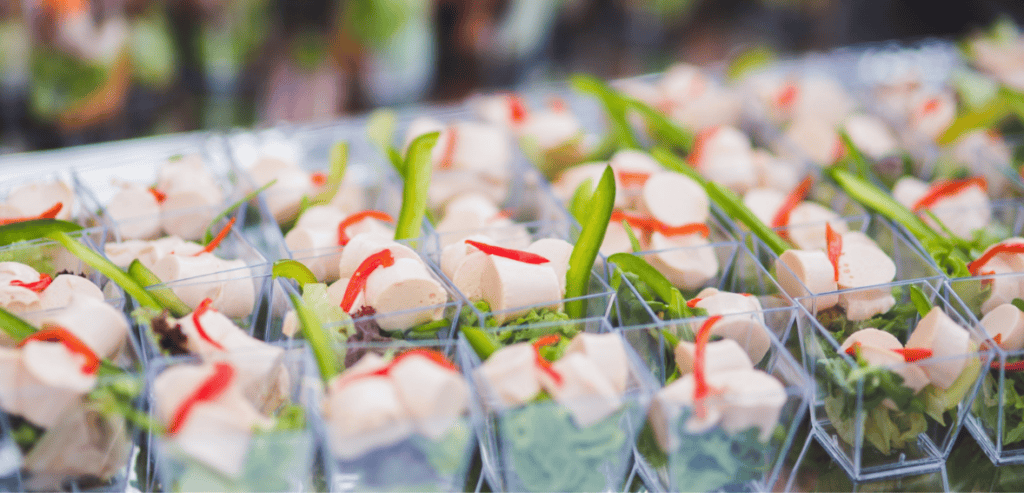
In reality, plant based catering menus focus on variety, flavour, and health through imaginative plant centred dishes rather than using meat as the default main course. Such a move invites one to try seasonal produce and world cuisines. From an environmental standpoint, plant forward catering through its plant based menus contributes to lessening the overreliance on animal based products that are a highly resource intensive sector while still having the wide acceptance. With the rise of knowledge, caterers are coming to view this model as both an ethical and a commercially successful option.
Why Catering Is a Key Area for Change
Catering plays a unique role in shaping food consumption patterns because it operates at scale. A single catered event can influence hundreds or even thousands of meals in a short period. This concentration creates an opportunity to reduce environmental impact quickly through smart menu design.
When caterers prioritise eco-friendly menus, the ripple effect is significant. Ingredient sourcing, portion sizes, and preparation methods all contribute to lower emissions and reduced waste. Sustainable protein choices such as legumes or pulses replace high impact proteins without compromising satisfaction.
Because catering decisions are often centralised, plant forward shifts can be implemented more efficiently than changes in individual household diets.
Environmental Impact of Traditional Catering Models
Traditional catering relies heavily on meat and dairy, including especially beef, poultry, and cheese, which all have high environmental footprints from land use, water consumption, and greenhouse gas emissions. For large-scale events, these impacts are magnified with high volumes of animal-based products.
Besides the emissions, traditional food catering contributes to deforestation and biodiversity loss linked to livestock feed production. Food waste is another big concern, as excess meat courses are difficult to repurpose or redistribute. In contrast, plant-based approaches to catering tend to use ingredients that can be stored longer and are more versatile, thereby supporting better planning and lower environmental impacts.
How Plant Forward Catering Reduces Carbon Footprint
One of the most measurable benefits of plant forward catering is reduced carbon emissions. Plant foods generally require fewer natural resources and emit less greenhouse gas compared to animal based foods. Swapping even a portion of meat based dishes for plant centric options can lead to meaningful reductions.
By offering sustainable protein choices such as lentils, chickpeas, and beans, caterers significantly lower the emissions associated with a menu. These ingredients also perform well in large batch cooking, making them ideal for events. Eco friendly menus built around plant forward principles deliver environmental benefits without sacrificing volume, flavour, or presentation.
Water Conservation Through Menu Choices
Water usage is a huge-but often poorly recognized-facet of the sustainability of food. In general, animal-based foods take much more water to produce than plant-based ingredients. A catering menu reliant on meat contributes indirectly to water stress, particularly in areas where there is already scarcity.
Plant-based catering can also aid in water conservation by making ‘smarter’ ingredient choices. Grains, vegetables, and legumes tend to have smaller water footprints and can be sourced locally. Eco-friendly menus created with seasonal produce and sustainable protein sources help sustain more responsible water use while maintaining variety and appeal on the menu.
Land Use and Biodiversity Benefits
Livestock farming demands extensive land areas for both the animals to graze and for crop production for their feed. Such land expansion is most of the time achieved at the sacrifice of forests and other natural habitats. Therefore, catering choices that limit the use of animal products are indirectly benefiting the conservation of biodiversity and reduction of the deforestation pressure.
Plant-based catering are models that mostly depend on crops which can be efficiently grown on small plots of land. This enables agriculture to be carried out with less harm to the environment. When plant-based catering menus include a variety of vegetables and grains, they help to diversify agriculture instead of promoting monoculture systems. Gradually, this change leads to healthier ecosystems and more resilient food systems.
Waste Reduction in Plant Forward Catering
Food waste is a persistent issue in catering due to unpredictable attendance and portioning. Meat based dishes are especially prone to waste because they are less flexible for reuse and redistribution. Plant forward menus help address this challenge through adaptable ingredients and preparation methods.
Plant based catering allows leftover components to be repurposed more easily across meals. Cooked vegetables, grains, and legumes can often be reused safely in different dishes. Eco friendly menus that are designed with waste reduction in mind align environmental responsibility with cost efficiency. Sustainable protein choices also reduce the financial and environmental cost of discarded food.
Health and Nutrition Considerations
It is not only environmental benefits that create demand and make these decisions for catering choices, but also health and nutrition, particularly in workplaces, schools, and at public events. Plant-forward catering often aligns with nutritional guidelines that promote higher intakes of fibre, vitamins, and plant-based nutrients.
Plant-based catering menus can help balance energy levels, offering the versatility to tackle most specific dietary needs. Complemented by sustainable protein choices, such dishes provide adequacy in nutrition with minimized saturated fat intake. Similarly, eco-friendly menus that lean more toward whole ingredients appeal to the health-conscious guest without positioning food as restrictive. This dual benefit strengthens the case for plant-forward approaches in catering.
Consumer Perception and Changing Preferences
Public attitudes toward food are changing rapidly. Many consumers now associate plant forward food with responsibility, innovation, and care for the planet. Catering that reflects these values can enhance brand reputation for businesses and event organisers.
Plant based catering is increasingly seen as modern rather than alternative. When menus are thoughtfully designed and well executed, guests respond positively regardless of dietary identity. Eco friendly menus communicate commitment to sustainability without requiring explicit messaging. As preferences evolve, plant forward catering positions organisations as aligned with future facing values.
Economic Factors and Cost Management
There is a common misconception that plant forward catering is more expensive. In reality, many plant based ingredients are cost effective, especially when purchased in bulk. Legumes, grains, and seasonal vegetables often cost less than meat while offering versatility and scalability.
Sustainable protein choices can stabilise catering budgets by reducing exposure to fluctuating meat prices. Eco friendly menus also benefit from lower waste costs and improved inventory efficiency. When managed strategically, plant based catering can deliver both environmental and economic benefits, making it an attractive option for caterers and clients alike.
Challenges in Implementing Plant Forward Catering
Despite its benefits, transitioning to plant forward catering is not without challenges. Culinary teams may need to develop new skills and recipes to ensure meals remain satisfying and appealing. There can also be resistance from clients who associate catering quality with traditional meat heavy menus.
Overcoming these barriers requires education, creativity, and gradual change. Plant based catering is most successful when it focuses on flavour and familiarity rather than ideology. Introducing sustainable protein choices incrementally allows guests to adapt while maintaining comfort and satisfaction. With experience, these challenges become opportunities for differentiation and innovation.
The Role of Chefs and Caterers
Chefs play a critical role in shaping the success of plant forward catering. Their creativity transforms simple plant ingredients into memorable dishes that change perceptions. Skilled chefs understand how to layer flavours and textures in plant based catering to create depth and satisfaction.
Caterers who invest in training and menu development can deliver eco-friendly menus that rival traditional offerings. By embracing sustainable protein choices, chefs contribute directly to reducing environmental impact while showcasing culinary leadership. This professional ownership strengthens the credibility and appeal of plant forward approaches.
Institutional and Corporate Adoption
Large institutions and corporations are increasingly adopting plant forward catering policies as part of broader sustainability commitments. Universities, hospitals, and offices influence thousands of meals daily, making their choices especially impactful.
Plant based catering initiatives in these settings often focus on default plant options with optional additions. Eco friendly menus become the standard rather than the exception. Sustainable protein choices in institutional catering support climate goals while demonstrating leadership. This adoption accelerates normalisation and acceptance across society.
Measuring Environmental Impact in Catering
Quantifying environmental benefits helps justify plant forward catering decisions. Metrics such as carbon emissions, water usage, and waste reduction provide tangible evidence of impact. Many organisations now track these measures as part of their sustainability reporting.
Plant based catering allows for clearer measurement because ingredient footprints are well documented. Eco friendly menus offer consistent data that supports transparency. Sustainable protein choices contribute to measurable improvements that strengthen accountability and continuous improvement efforts within catering operations.
The Future of Plant Forward Catering
Plant forward catering is likely to become a mainstream standard rather than a niche option. As ingredient availability improves and culinary expertise expands, barriers to adoption will continue to fall. Technology, data, and education will further support this transition.
Eco friendly menus will increasingly reflect regional flavours and seasonal availability, enhancing authenticity and sustainability. Sustainable protein choices will evolve alongside innovation in plant based foods. The future of catering is one where environmental responsibility and culinary satisfaction coexist, driven by thoughtful plant forward principles.
Cultural Diversity and Creativity in Plant Forward Catering
One of the strongest advantages of plant forward catering is the opportunity it creates for cultural expression and culinary creativity. Many traditional cuisines around the world already rely heavily on plant based ingredients, making this approach feel familiar rather than restrictive. From Mediterranean grain bowls to South Asian lentil dishes and East Asian vegetable centred plates, plant based catering draws inspiration from long established food cultures.
This diversity allows caterers to design eco-friendly menus that feel exciting and inclusive. Sustainable protein choices such as beans, tofu, chickpeas, and pulses adapt easily across cuisines and flavour profiles. As a result, menus can appeal to a wider audience while celebrating global food heritage. Plant forward catering also encourages chefs to experiment with spices, cooking techniques, and textures instead of leaning on meat for flavour. This creative freedom elevates the dining experience and helps guests view plant based catering as rich and satisfying rather than limited. Over time, this cultural versatility strengthens acceptance and demand for plant forward menus across different event types and audiences.
Event Planning and Guest Satisfaction Considerations
Event planners play a critical role in the success of plant forward catering. Their choices influence not only environmental impact but also guest satisfaction and overall experience. When menus are thoughtfully planned, plant based catering meets expectations for taste, presentation, and variety without drawing unnecessary attention to dietary labels.
Guest satisfaction improves when eco-friendly menus are designed with balance and familiarity in mind. Sustainable protein choices that deliver satiety help avoid concerns about portion size or fullness. Clear menu descriptions also support positive perception by focusing on flavour and ingredients rather than emphasising absence of meat. Plant forward catering works best when it feels intentional and celebratory rather than compensatory. With careful planning, events can showcase environmental responsibility while still delivering memorable food experiences that guests enjoy and remember positively.
Local Sourcing and Seasonal Ingredients in Catering
Local sourcing and seasonality naturally go hand in hand with plant based catering. It is often the case that vegetables, fruits, and grains can be sourced from local growers more easily, which means less emission from transport and also support for local farmers. By using seasonal items in plant based catering menus, caterers can not only keep their sustainability commitments but also offer freshness and great taste.
Eco-friendly menus can rely on seasonal variations since plant ingredients are different during the seasons which makes the menu more diverse and attractive. Sustainable protein sources like legumes also have good storage properties which means that the supply can be stable without a strong dependence on industrial farming systems. Local sourcing builds on community ties and lessens the risk of supply chain disruption.
When plant based catering is done with the focus on seasonality and regional ingredients, it helps to embody environmental responsibility at the same time quality and authenticity are enhanced. This method also makes it easier for caterers to naturally adjust their menus to the different times of the year without the need for extra costs or complicated steps.
Education and Awareness Through Catering Experiences
Catering has the unique ability to educate without being instructional. Guests often try new foods at events in a relaxed and social setting, making plant forward catering an effective way to introduce sustainable eating habits. Positive experiences with plant based catering can shift perceptions and influence future food choices beyond the event itself.
Eco friendly menus subtly communicate values through experience rather than messaging. Sustainable protein choices become familiar when served in appealing and satisfying ways. Over time, repeated exposure builds comfort and acceptance, encouraging broader awareness of environmental impact. Plant forward catering acts as a quiet but powerful tool for change, showing that sustainability and enjoyment can coexist. By offering well designed plant based catering, organisations contribute to cultural shifts around food without requiring commitment or explanation from guests.
Conclusion
The rise of plant forward catering represents a meaningful shift in how foodservice impacts the environment. By prioritising plant based catering models, organisations can significantly reduce emissions, conserve water, and limit waste without compromising experience or inclusivity. Sustainable protein choices and eco friendly menus deliver benefits that extend beyond individual events to influence broader food system change. As awareness grows, plant forward catering stands out as a practical response to environmental challenges. It aligns health, cost efficiency, and sustainability in a way that is accessible and scalable. Through thoughtful adoption, catering can play a powerful role in supporting a more responsible and resilient future for food and the planet.