Food has traditionally played a significant part in any kind of gathering. In whatever way, be it weddings, corporate parties, birthday celebrations, anniversaries, charitable galas or simply private parties, food is one of the major things that will be remembered by attendees long after the party. Though it cannot be denied that presentation, venues and entertainment are among other things that determine the success of an event, the menu also holds its own special place and plays a role in bringing people together through the dining experience. As guest requirements become more complicated each day, there is now an increasing demand for customized catering menus from event hosts.
The modern consumer expects to enjoy an experience that is both relevant to his tastes and personal, while also considering various aspects of health. Dietary requirements, cultural considerations, and even healthy eating practices have now become major concerns that are being considered when organizing events. For this reason, it is clear that catering menus can no longer just follow a general guideline. Instead, what they need is to personalize menus so as to cater specifically to the needs of their clientele.
The Shift Toward Personalized Dining Experiences
The contemporary event environment has transformed in numerous ways within the last ten years. In today’s scenario, there is an increased expectation among guests for a higher level of personalization in all facets of events, including décor, entertainment, and food and beverages.
As consumers look to buy goods and services which fit in with their preferences, such expectations extend automatically to event meals. They would much prefer a menu which takes into account not only their food restrictions, but also their cultures and other personal requirements, rather than being offered options which are meant to suit everybody.
In this way, personalization shows thoughtfulness on the part of the host, who takes their guests’ tastes and interests into consideration. The feeling of inclusion which results can make a big difference when it comes to making memorable impressions at events.
Understanding Customized Catering Menus
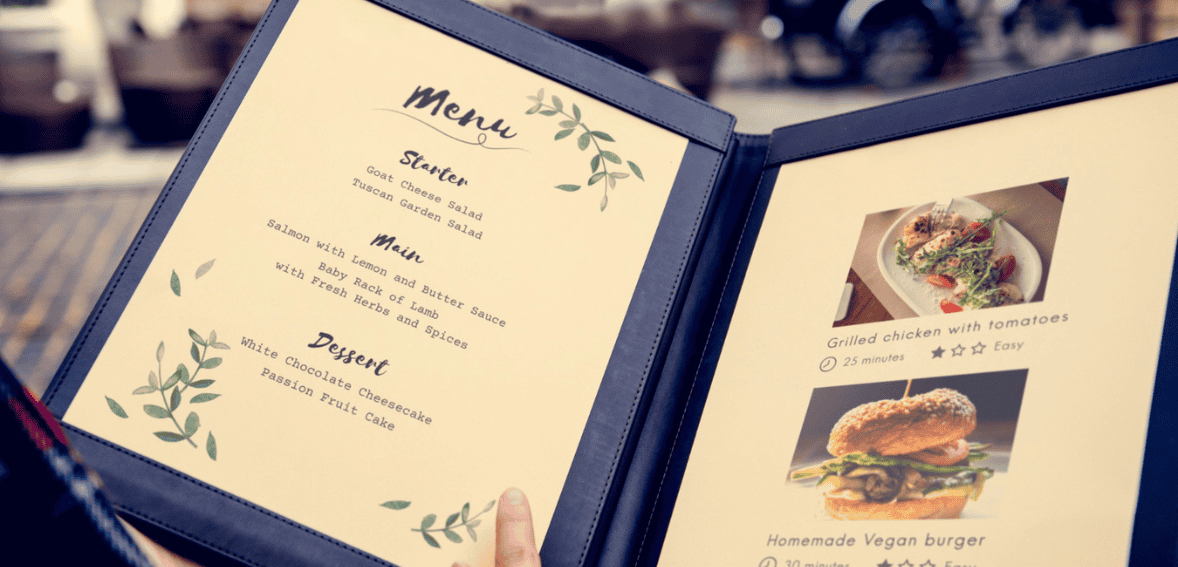
Customized catering menus are designed specifically for the needs and preferences of a particular event rather than selected from a fixed menu package. Instead of offering limited pre-set choices, caterers collaborate with clients to develop food selections that align with event goals, guest demographics, and personal preferences.
This process often begins with detailed consultations. Caterers gather information about the event type, guest count, dietary requirements, cultural considerations, and desired dining style. Based on these insights, they create menu options that reflect the unique characteristics of the occasion.
The flexibility of customized catering menus allows hosts to create truly distinctive dining experiences. Whether the goal is elegant fine dining, casual comfort food, international cuisine, or health-focused offerings, customization provides the freedom to design a menu that feels authentic and memorable.
Why Guest Preferences Matter More Than Ever
Dining preferences among guests are now varied as compared to the past. For instance, the number of guests that follow vegetarian, vegan, or any other dietary preference such as low-carbohydrate, gluten-free, and others is high. There are also individuals who would want foods that fit their culture, religion, and well-being considerations.
By not taking care of this need, an event planner can face some difficulties in the future. The guests that do not get what they would like from the menu would feel left out regardless of whether they would have liked everything else about the event. On the contrary, catering to the different needs would indicate proper planning on behalf of the event planner. Guest preference knowledge is crucial when increasing participation during the events. Guests who are sure that there will be something that they would enjoy would participate actively.
Creating Personalized Event Dining Experiences
Personalized event dining does not stop at providing different dining options but is more about creating a personalized dining experience which should be consistent with the goals and ideas of the event. Every choice made with regards to menus becomes an integral part of the dining atmosphere.
Thus, for a corporate event, one would choose local, innovative cuisine, while weddings may require traditional family recipes or ethnic dishes. In case of birthday parties, menus should comprise food favorites selected especially for this occasion by the birthday person. Therefore, the creation of the proper ambiance is achieved through selecting menus according to the goals of the event and thus integrating dining into the narrative of the event.
The Consultation Process Behind Personalized Menus
Successful menu personalization begins with communication. Caterers need a clear understanding of the client’s vision, guest expectations, and event requirements before developing recommendations. This consultation process forms the foundation of a successful dining experience.
During initial discussions, caterers often ask questions about guest demographics, preferred cuisines, dietary restrictions, event style, and budget considerations. They may also consider personal stories, cultural traditions, and special requests that could influence menu development.
These conversations allow caterers to identify opportunities for creativity and customization. Rather than simply selecting dishes from an existing catalog, they can craft solutions that align more closely with the event’s unique needs. This collaborative approach often results in stronger outcomes and higher client satisfaction.
Accommodating Dietary Restrictions and Allergies
One of the critical things in contemporary catering services is dealing with various diets and allergies. The more people become aware of the problems related to different kinds of food allergies, the more event organizers realize the significance of having inclusive catering services.
In this regard, creating personalized menus can facilitate the process considerably. Catering services are likely to come up with alternative meals, label menu items, and follow safety measures that will minimize the chance of cross-contamination. Such an approach will make sure that all guests can attend the event without experiencing discomfort.
This practice does not only contribute to complying with the established standards; it also promotes good old-fashioned hospitality. Guests will be satisfied by the attention paid to their dietary preferences and feel more comfortable during their meal.
Cultural and Regional Influences on Menu Design
Food always tends to be culturally significant in some way. Various occasions may call for meals that embody the cultural background of the family, region, or the cultural festival being observed. Personalized food menus are an excellent means of recognizing and embracing the cultural significance attached to various dishes.
Various methods exist when personalizing food menus through culture. The couple may choose dishes that represent their two different backgrounds at a wedding ceremony. A company’s party may involve dishes that embody regional identity. Cultural festivals may include traditional dishes.
The Role of Bespoke Catering Services
As demand for personalization grows, many providers are expanding their offerings through bespoke catering services. These services focus on creating highly customized dining experiences tailored to specific events and client preferences.
Unlike standard catering packages, bespoke approaches emphasize flexibility and creativity. Menus are developed from the ground up rather than selected from predetermined options. Every detail, from ingredient selection to presentation style, can be customized to support the event’s objectives.
Bespoke catering services often appeal to clients who want unique experiences that stand out from traditional event formats. By prioritizing customization, caterers can create memorable dining moments that leave lasting impressions on guests.
Enhancing Guest Engagement Through Food
Food has a unique ability to bring people together. Shared dining experiences encourage conversation, foster connections, and create opportunities for engagement. Personalized menus can strengthen these effects by making meals more interactive and relevant.
Interactive food stations, chef demonstrations, tasting experiences, and customizable meal options all contribute to greater guest involvement. Rather than simply receiving a plated meal, attendees become active participants in the dining experience.
This engagement can be particularly valuable for corporate events, networking functions, and social gatherings where relationship-building is a key objective. Food becomes a catalyst for interaction and helps create a more dynamic event atmosphere.
Balancing Creativity and Practicality
While personalization offers many benefits, successful menu design also requires practical considerations. Caterers must balance creativity with operational efficiency, budget constraints, venue limitations, and food safety requirements.
The most effective customized catering menus combine innovation with feasibility. Unique dishes should remain practical to prepare and serve while maintaining quality and consistency. Thoughtful planning ensures that creative ideas enhance rather than complicate the event experience.
Experienced caterers understand how to navigate these challenges while delivering personalized solutions. Their expertise helps transform client visions into realistic menus that meet both creative and logistical objectives.
Sustainability and Personalized Catering
Sustainability has become an increasingly important consideration in event planning. Many hosts want catering solutions that minimize waste, support local producers, and reduce environmental impact. Personalized menus can support these goals by aligning food production more closely with actual guest preferences.
When caterers have detailed information about guest needs and expected attendance, they can plan more accurately and reduce excess food preparation. Customized menus also allow greater use of seasonal and locally sourced ingredients, which can support sustainability objectives.
Guests often appreciate environmentally conscious dining choices. Incorporating sustainability into personalized event dining demonstrates social responsibility while enhancing the overall guest experience.
Technology’s Influence on Menu Personalization
Technology is playing an increasingly important role in modern catering. Digital surveys, event registration systems, and guest preference tracking tools help caterers gather valuable information before an event takes place.
This data allows for more precise menu planning and greater personalization. Caterers can identify dietary restrictions, preferred cuisines, and special requests well in advance, making it easier to create targeted dining experiences.
Technology also supports communication between clients and catering teams. Digital menu reviews, virtual tastings, and collaborative planning platforms streamline the customization process and improve overall efficiency.
The Impact on Event Satisfaction
Food quality consistently ranks among the most important factors influencing event satisfaction. Guests may forget certain details over time, but memorable dining experiences often leave lasting impressions. Personalized menus enhance these experiences by making food more relevant and enjoyable.
When guests feel that their preferences have been considered, they are more likely to view the event positively. This increased satisfaction can influence overall perceptions of the host, organization, or occasion being celebrated.
For event planners, strong dining experiences contribute to positive feedback, repeat business, and stronger reputations. Personalized catering becomes a valuable investment that supports broader event objectives.
Building Long-Term Relationships Through Personalization
Personalization benefits not only guests but also catering providers. Clients who receive thoughtful and customized service are more likely to return for future events and recommend the caterer to others.
Developing customized catering menus requires collaboration, trust, and attention to detail. These qualities help strengthen relationships between caterers and clients. As caterers learn more about client preferences over time, they can deliver increasingly personalized experiences.
Long-term relationships create value for both parties. Clients gain confidence in the caterer’s ability to understand their needs, while caterers benefit from repeat business and positive referrals.
The Future of Tailored Catering Experiences
The demand for tailored catering experiences is expected to continue growing as consumers increasingly seek personalized services. Future developments may include greater use of data analytics, enhanced guest preference tracking, and more sophisticated menu customization tools.
Emerging food trends, health-conscious lifestyles, and cultural diversity will likely further influence menu design. Caterers who embrace flexibility and innovation will be well positioned to meet evolving expectations.
At the same time, the core principle of personalization is unlikely to change. Guests want dining experiences that feel thoughtful, relevant, and meaningful. Catering providers who focus on understanding individual preferences will continue to create stronger and more memorable events.
Conclusion
The role of catering has evolved far beyond simply providing food for an event. Today’s guests expect dining experiences that reflect their preferences, accommodate their needs, and contribute to the overall atmosphere of the occasion. Through customized catering menus, event hosts can create more inclusive, engaging, and memorable experiences that resonate with attendees long after the event concludes.
Whether through personalized event dining, culturally inspired selections, dietary accommodations, or innovative presentations, customization allows food to become a central part of the event story. Bespoke catering services and tailored catering experiences provide the flexibility needed to transform ordinary meals into meaningful moments. As expectations continue to evolve, personalization will remain one of the most important factors shaping the future of event catering, helping hosts deliver exceptional experiences that leave lasting impressions on every guest.