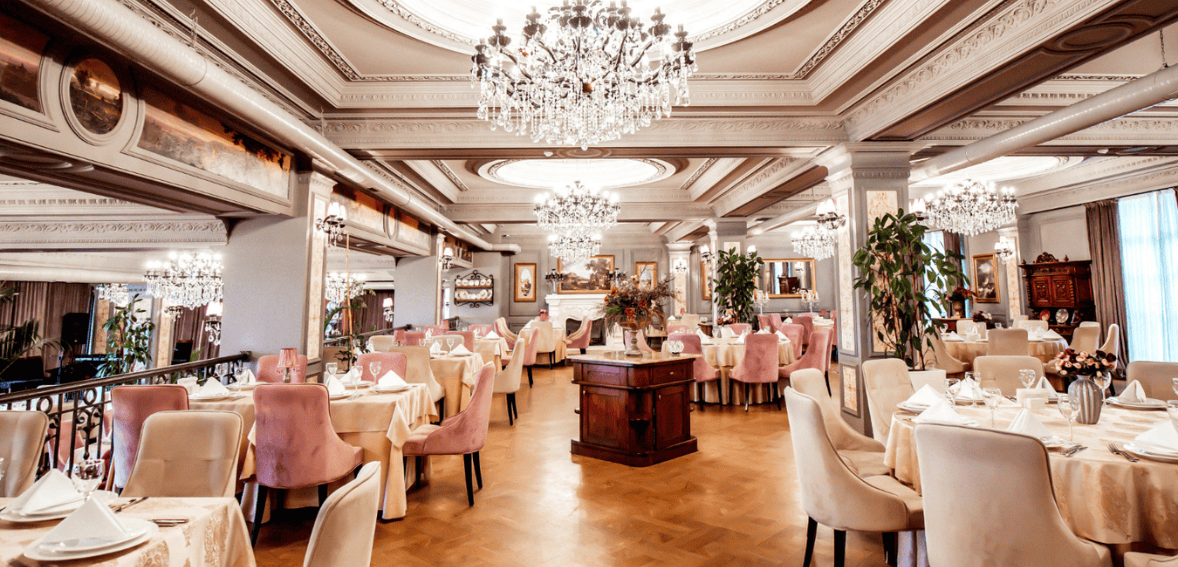
When people think about a successful event, food is usually one of the first things that comes to mind. Guests remember whether the meals were delicious, whether service was smooth, and whether they had an enjoyable dining experience. However, behind every successful catering operation is something that many guests never notice directly: the venue itself. More specifically, the way the venue is arranged can have a significant impact on how efficiently food is prepared, served, and enjoyed.
Many event organisers focus heavily on menu selection, guest lists, decorations, entertainment, and scheduling. While all of these elements matter, the physical layout of the venue often determines whether the catering team can perform their job effectively. Even the most experienced caterers can face challenges if the space is poorly designed for food service. Long distances between preparation areas and dining spaces, limited access points, narrow walkways, or poorly positioned buffet stations can all create complications that affect both staff and guests.
This is why understanding the relationship between venue design and catering operations is so important. A well-planned venue layout helps improve service flow, guest comfort, food quality, and overall event success. Whether it is a wedding, corporate gathering, birthday celebration, fundraiser, or community event, the right environment allows catering professionals to deliver the best possible experience. In many cases, the difference between a seamless event and a stressful one comes down to how well the venue and catering plans work together.
Why Venue Layout Matters More Than Most People Realise
The physical arrangement of a venue affects nearly every aspect of food service. Guests often see only the finished result, but behind the scenes there is a complex operation involving food preparation, transportation, serving, replenishment, and cleanup. Each of these activities depends on having enough space and an efficient workflow.
When a venue is designed or arranged thoughtfully, staff can move freely between workstations and serving areas. Food can be delivered quickly while maintaining proper temperatures. Guests can access dining stations without congestion or confusion. Service becomes faster, smoother, and more enjoyable for everyone involved.
On the other hand, a poorly organised venue layout can create bottlenecks that disrupt the entire operation. Staff may struggle to navigate crowded pathways. Food stations may become overcrowded. Service delays may occur simply because equipment and personnel cannot move efficiently through the space. Even if the food itself is excellent, these logistical challenges can negatively affect guest satisfaction.
For this reason, experienced professionals understand that successful event catering begins long before food reaches the plate. It starts with understanding how the venue functions and how people will move through it throughout the event.
The Connection Between Guest Flow and Food Service
One of the most crucial factors in venue selection is the path that the guests will take during the event. Any event entails movement of the guests to and from the entrances, seats, food stations, bars, restrooms, entertainment areas, and exits. The intersection of these paths with the catering arrangements may serve as an aid to the service delivery or create hindrances to this process.
Guests must be able to access the food easily without having to form queues and crowds in order to access the catering services. At the same time, it is necessary to ensure that there are no problems associated with the access of the catering staff to the places where food is served. Overlapping of pathways inevitably leads to numerous problems.
A well-thought catering arrangement ensures that the path of the guests is taken into account from the very beginning of their interaction with the event venue. Thus, buffets are arranged in such a way that the guests have different ways to approach them. The beverage stations are located in a manner that would help even out traffic flows.
How Buffet Placement Influences the Guest Experience
Buffet service remains one of the most popular catering styles because it offers flexibility and variety. However, buffet success depends heavily on location. Simply placing tables in an available corner does not guarantee efficient service.
Buffets should be positioned where guests can access them easily while maintaining smooth traffic patterns. If a buffet is placed too close to entrances, dance floors, or seating clusters, congestion can quickly develop. Guests waiting for food may block pathways and create discomfort for others moving through the venue.
The surrounding space is equally important. Adequate room should be available for lines to form without interfering with other activities. Guests need space to view menu options, make selections, and move away from the station without feeling rushed.
Effective event planning considers these factors early in the process. Caterers and venue coordinators often evaluate the available space together to identify locations that support efficient service while preserving the overall guest experience. This collaboration helps ensure that food stations contribute positively to the event rather than becoming a source of frustration.
Seating Arrangements and Their Impact on Catering
The seating arrangement might look like a purely decorative choice that has nothing to do with efficiency, but it plays a significant role in the process of catering. Arrangements of tables determine how easy it will be for guests to reach their food, how effectively the meals will be served, and how comfortable it will be for all people to move around.
If tables are placed too close to one another, it will become challenging for the serving staff to move around safely when they carry trays or other equipment, and the guests will also find it difficult to move away from their tables in order to reach the food station.
An ideal venue will offer enough spaces between tables but at the same time provide a comfortable and cozy atmosphere in which people can move freely and safely. In addition, the seating arrangement needs to ensure easy access to various points within the venue, such as bar, restroom, etc.
The Importance of Kitchen Access and Service Routes
One of the most crucial but overlooked elements of catering logistics concerns the relationship between the preparation area and the service area of guests. The food needs to be transported rapidly and effectively from kitchens/preparation zones to the place where it will be served to guests.
If the distance between such areas is significant, keeping the food fresh would pose problems. Heat-sensitive foods could cool down while cold food might lose freshness. This problem can impact the guests’ experience even though the food is cooked flawlessly.
A well-coordinated catering process would require a clear and unimpeded way of transporting food and other essentials from the preparation zone to the service zone. It would require moving the staff involved in this procedure to avoid intersections with the paths of guests.
Caterers are known for checking the venues before the events precisely for logistics purposes. Knowing the access points, loading zones, storage areas, and transport routes helps them organize the event effectively.
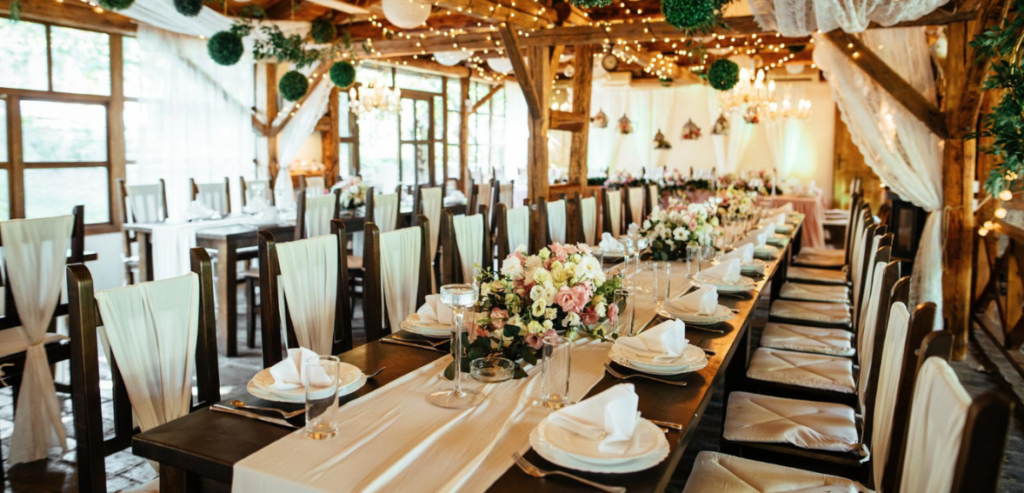
Indoor and Outdoor Venue Challenges
Different types of venues present unique catering considerations. Indoor venues often provide climate control and predictable conditions, but they may have limitations related to space, accessibility, or building design. Outdoor venues offer flexibility and scenic appeal but introduce additional logistical challenges.
Weather conditions can influence food service significantly. Heat, wind, rain, and humidity may all affect food quality, equipment performance, and guest comfort. Outdoor events often require additional planning to protect food and ensure efficient operations.
The venue layout becomes even more important in outdoor environments because temporary service areas frequently need to be created from scratch. Caterers must carefully consider the placement of preparation stations, serving areas, seating arrangements, and utility connections.
Successful event catering requires adapting service strategies to the specific characteristics of each location. Understanding the strengths and limitations of a venue helps organisers make informed decisions that support both operational efficiency and guest satisfaction.
Managing Multiple Food Stations Effectively
Many modern events feature multiple food stations instead of a single buffet or plated service format. Action stations, dessert displays, beverage bars, carving stations, and specialty food counters can create a more interactive and engaging experience for guests.
However, these additional stations require careful planning. Poor placement can result in uneven traffic distribution, leaving some areas overcrowded while others remain underused. Guests may miss certain offerings entirely if they are positioned in isolated or difficult-to-access locations.
A successful catering setup distributes stations strategically throughout the venue. This approach encourages guests to explore different areas while reducing congestion at any single location. It also helps create a more dynamic and enjoyable atmosphere.
When integrated thoughtfully into the overall event planning process, multiple food stations can improve both guest satisfaction and operational efficiency. The key is ensuring that each station complements the venue rather than competing for limited space.
Safety and Accessibility Considerations
Beyond convenience and efficiency, venue design also affects safety and accessibility. Catering operations involve hot equipment, sharp tools, heavy trays, and constant movement. Creating a safe working environment protects both staff and guests.
Walkways should remain clear throughout the event. Emergency exits must remain accessible at all times. Food stations should not obstruct key pathways or create trip hazards. Adequate lighting is essential for both service quality and safety.
Accessibility considerations are equally important. Guests with mobility challenges should be able to navigate the venue comfortably and access dining areas without difficulty. Inclusive design benefits all attendees and contributes to a more welcoming event environment. A carefully planned venue layout supports these objectives by balancing operational needs with guest comfort and safety. The result is a more enjoyable experience for everyone involved.
How Early Collaboration Leads to Better Results
One of the most effective ways to avoid catering challenges is through early collaboration between venue managers, caterers, and event organisers. Each party brings valuable expertise that can contribute to better decision-making.
Venue managers understand the physical space and its capabilities. Caterers understand operational requirements and service logistics. Event organisers understand guest expectations and programme needs. When these perspectives are combined early in the planning process, potential issues can often be identified and resolved before they become problems.
Successful event planning involves more than selecting a venue and hiring a caterer separately. It requires integrating these decisions into a unified strategy that considers how every aspect of the event will function together. This collaborative approach often leads to more creative solutions, smoother operations, and better outcomes for both guests and service providers.
Creating Memorable Experiences Through Smart Venue Design
Ultimately, catering is about more than serving food. It is about creating an experience that contributes to the overall success of an event. Guests remember how they felt, how smoothly things operated, and whether they enjoyed themselves.
A thoughtful venue layout supports these goals by creating an environment where service feels effortless. Guests can access food easily, move comfortably through the space, and focus on enjoying the occasion rather than dealing with logistical inconveniences.
Effective event catering relies on many moving parts working together seamlessly. Food quality, service standards, staffing, timing, and venue design all contribute to the final result. When the physical environment supports these elements, the entire experience becomes more polished and professional.
The most successful events often appear simple from the guest perspective because so much careful planning has taken place behind the scenes. Much of that success begins with understanding how the venue will shape every aspect of the catering operation.
Conclusion
The relationship between venue design and catering success is far stronger than many people realise. While menus, decorations, and entertainment often receive significant attention, the physical arrangement of a venue can have an equally important impact on the guest experience. From guest flow and buffet placement to seating arrangements, service routes, and safety considerations, every aspect of the venue layout influences how effectively food and beverages can be delivered.
A well-planned catering setup supports efficient operations, improves guest comfort, and helps maintain food quality throughout the event. At the same time, thoughtful event planning ensures that catering requirements are integrated into the overall event strategy rather than treated as an afterthought. Whether organising a wedding, corporate function, fundraiser, or private celebration, understanding the connection between venue design and event catering can help create smoother operations and more memorable experiences.
When venues and catering plans work together from the start, the result is an event where guests enjoy excellent food, seamless service, and an atmosphere that feels welcoming and effortless. That is why venue layout is not simply a logistical detail. It is one of the foundations of a successful event.