
Catering is an industry built on abundance. Large menus, generous portions, and tight event timelines often lead to excess at every stage of service. From ingredient sourcing to post-event cleanup, waste can quietly pile up if systems are not designed with intention. As environmental awareness grows and clients become more conscious of sustainability, caterers are increasingly expected to rethink how their operations impact the planet. Building a zero-waste catering workflow is not about perfection or extreme measures. It is about making thoughtful choices at each step and designing processes that minimize unnecessary waste. When done well, zero waste catering improves efficiency, reduces costs, and supports healthier sustainable kitchens.
Understanding What Zero Waste Catering Really Means
Zero waste catering does not mean producing no waste at all. Instead, it focuses on reducing waste as much as possible and ensuring that whatever remains is reused, recycled, or composted responsibly. The goal is to send as little material as possible to landfills while maintaining food safety, quality, and service standards.
In catering, waste can take many forms. This includes unused ingredients, preparation scraps, leftover food, single-use packaging, disposable serving ware, and cleaning materials. Sustainable kitchens aim to address each of these areas through better planning, smarter sourcing, and intentional workflows. When caterers understand where waste is generated, they can begin designing systems that prevent it.
Food waste reduction is central to this approach. By tracking waste patterns and identifying inefficiencies, caterers gain insight into where changes will have the greatest impact. Zero waste catering is not a single action but a mindset that influences every decision made in the kitchen and beyond.
Planning Menus With Waste in Mind
Menu planning is the foundation of a zero-waste catering workflow. Thoughtful menus reduce excess before ingredients even enter the kitchen. Caterers who plan with flexibility and portion control can significantly limit food waste while still delivering satisfying experiences.
Designing menus that share ingredients across multiple dishes helps reduce spoilage and overbuying. Seasonal menus also support sustainable kitchens by aligning with what is readily available, reducing the need for excessive storage or imported items. When ingredients are used in multiple ways, trimmings and byproducts can be repurposed rather than discarded.
Food waste reduction during menu planning also involves understanding the audience. Event type, guest count, dietary preferences, and service style all affect how much food is consumed. Clear communication with clients allows caterers to set realistic expectations and avoid unnecessary overproduction. Planning with intention creates a strong starting point for zero waste catering efforts.
Responsible Ingredient Sourcing
Where ingredients come from plays a major role in waste generation. Sustainable sourcing focuses on quality, freshness, and minimal packaging. Working with local suppliers can reduce transport waste and allow for more precise ordering based on demand.
Sustainable kitchens often prioritize whole ingredients over heavily processed items. Whole produce allows caterers to control preparation and use trimmings creatively. For example, vegetable scraps can be used for stocks, sauces, or compost instead of being thrown away. This approach supports food waste reduction while maximizing value from each ingredient.
Packaging is another critical consideration. Choosing suppliers who offer bulk options, reusable containers, or minimal packaging helps reduce incoming waste. Zero waste catering begins long before cooking starts, and responsible sourcing ensures that kitchens are not burdened with unnecessary materials that must later be discarded.
Efficient Storage and Inventory Management
Poor storage practices are a major contributor to food waste in catering. Ingredients that are forgotten, improperly labeled, or stored incorrectly often spoil before use. Sustainable kitchens rely on clear inventory systems to track what is available and what needs to be used first.
Implementing first-in, first-out storage practices ensures older ingredients are used before newer ones. Proper labeling with delivery dates and intended use helps staff make informed decisions during preparation. These small systems play a big role in food waste reduction by preventing accidental spoilage.
Temperature control and proper storage conditions are equally important. Refrigeration, dry storage, and freezer space should be organized and monitored regularly. Zero waste catering depends on discipline and consistency, and strong inventory management supports both efficiency and sustainability.
Smart Food Preparation Practices
Food preparation is where waste can increase quickly if not managed carefully. Trimming techniques, batch sizes, and preparation schedules all influence how much food ends up unused. Training kitchen staff to prepare ingredients efficiently is essential for sustainable kitchens.
Using precise preparation methods helps reduce unnecessary scraps. When trimming is required, those scraps should be collected intentionally for reuse or composting. Food waste reduction improves when preparation is aligned closely with actual service needs rather than assumptions.
Batch cooking in smaller quantities allows caterers to adjust production based on real-time demand. This approach reduces the risk of large amounts of food being left unused. Zero waste catering encourages kitchens to stay responsive and flexible rather than overproducing out of caution.
Designing Service Styles That Reduce Waste
The way food is served has a significant impact on waste levels. Buffets, plated meals, and family-style service each present different challenges and opportunities. Thoughtful service design can reduce leftovers and improve portion control.
Plated meals allow for greater control over portions and presentation. While they require more planning, they often result in less food waste compared to large buffets. When buffets are used, offering smaller serving vessels and replenishing as needed helps prevent overproduction.
Sustainable kitchens also consider how food is presented and replenished. Zero waste catering involves balancing abundance with restraint. Food waste reduction during service depends on careful monitoring, communication between front and back of house, and the willingness to adjust plans as the event unfolds.
Reusable and Sustainable Serving Materials
Disposable plates, cutlery, and serving ware contribute significantly to catering waste. Transitioning to reusable materials is one of the most visible steps toward zero waste catering. While it requires investment and logistics, the long-term environmental benefits are substantial.
Sustainable kitchens often use durable plates, metal cutlery, cloth napkins, and reusable serving trays. When disposables are unavoidable, compostable or recyclable options should be chosen carefully to ensure they align with local waste systems.
Clear labeling and staff training help ensure materials are sorted correctly after use. Food waste reduction extends beyond food itself and includes reducing material waste. Reusable serving solutions demonstrate commitment to sustainability and are increasingly valued by clients.
Managing Leftovers Responsibly
Leftovers are an inevitable part of catering, but how they are handled makes all the difference. Zero waste catering prioritizes safe and ethical strategies for managing surplus food. Planning for leftovers before the event ensures they do not become an afterthought.
Edible leftovers can be donated to food recovery organizations where regulations allow. Some caterers also coordinate with clients to distribute leftovers to staff or guests safely. Sustainable kitchens treat surplus food as a resource rather than waste.
Food waste reduction also involves clear protocols for storage and food safety. Leftovers should be cooled, labeled, and handled according to health guidelines. Responsible leftover management protects both people and the environment while reinforcing sustainable values.
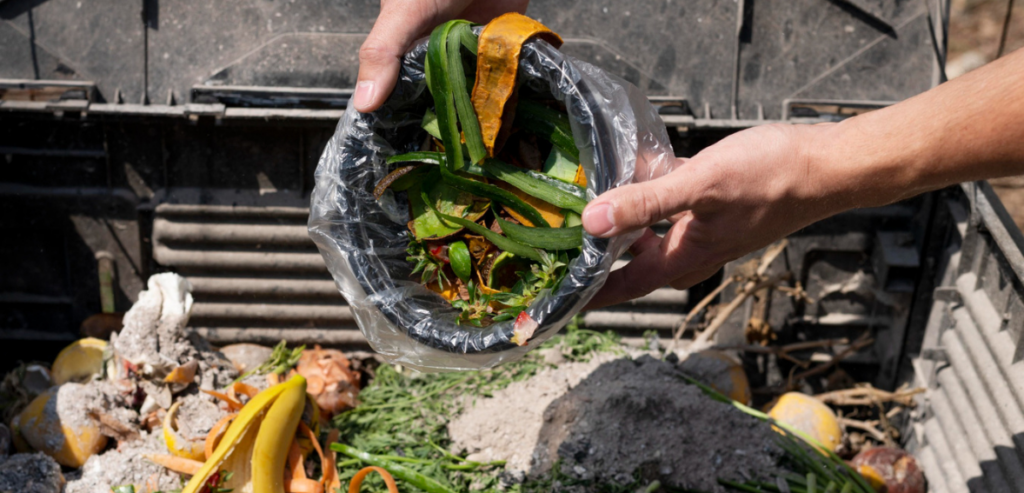
Composting and Organic Waste Handling
Not all food waste can be avoided, but it can be managed responsibly. Composting is a core component of zero waste catering. Organic waste such as vegetable scraps, coffee grounds, and unavoidable leftovers can be diverted from landfills and returned to the soil.
Sustainable kitchens set up clear composting systems with designated bins and staff training. Separation at the source makes composting more effective and reduces contamination. When staff understand what belongs where, compliance improves.
Food waste reduction through composting also supports broader environmental goals. Compost enriches soil and reduces methane emissions from landfills. Zero waste catering recognizes composting as an essential end-of-life solution for organic materials.
Cleaning Practices That Support Sustainability
Cleanup is often overlooked in sustainability discussions, yet it plays a significant role in waste and resource use. Cleaning products, water usage, and disposable wipes all contribute to environmental impact. Sustainable kitchens approach cleanup with the same intention as food preparation.
Using eco-friendly cleaning products reduces chemical pollution and protects staff health. Reusable cloths and mop systems replace single-use wipes and paper towels. These changes support zero waste catering while maintaining hygiene standards.
Food waste reduction during cleanup also involves scraping plates efficiently and sorting waste correctly. Clear procedures ensure that compostable, recyclable, and reusable items are handled properly. Thoughtful cleanup completes the zero-waste workflow.
Training Staff and Building a Zero-Waste Culture
Systems alone are not enough. People make zero waste catering work. Staff training ensures that everyone understands the goals, processes, and reasons behind sustainable practices. When staff feel included, compliance becomes habit rather than obligation.
Sustainable kitchens invest in regular training sessions and clear documentation. New staff should be introduced to waste reduction practices from day one. Leadership support reinforces that sustainability is a priority, not an optional extra.
Food waste reduction improves when staff are encouraged to share ideas and observations. Frontline workers often notice inefficiencies first. A culture of continuous improvement keeps zero waste catering practices practical and adaptable.
Working With Clients on Sustainability Goals
Clients play an important role in the success of zero waste catering. Clear communication about sustainability options helps align expectations and encourages shared responsibility. Many clients appreciate guidance on how their choices affect waste.
Caterers can offer menu suggestions, service styles, and material options that support sustainable kitchens. Explaining the benefits of these choices helps clients make informed decisions without feeling restricted.
Food waste reduction becomes more effective when clients understand its value. Transparent conversations build trust and position caterers as partners in sustainability rather than service providers alone.
Measuring Progress and Improving Over Time
Zero waste catering is an ongoing process. Measuring waste levels helps caterers understand what is working and where improvements are needed. Tracking food waste, packaging waste, and diversion rates provides valuable insight.
Sustainable kitchens use this data to refine menus, sourcing, and service practices. Small adjustments over time lead to meaningful reductions. Food waste reduction is most successful when progress is reviewed regularly rather than assumed.
Sharing progress internally and with clients reinforces accountability and motivation. Continuous improvement ensures that zero waste catering evolves alongside changing events, regulations, and expectations.
Event Logistics and Transport Waste Reduction
Transportation is a concealed, yet substantial, source of the carbon footprint that comes from the catering industry. The use of the same vehicles for several trips, the poorly packed equipment, and the last minute purchase of supplies are the factors that lead to fuel consumption and waste of materials. In order to create a zero waste catering workflow, it is necessary to plan event logistics in such a way that there will be no unnecessary movement and inefficiencies.
On the one hand, efficient routing and consolidated deliveries contribute to limiting the environmental impact of the event and, on the other hand, these methods also save the costs and time of the process. Packing equipment and ingredients in reusable crates rather than in single use packaging is a way to prevent damage and reduce the need for disposal. When logistics are planned in conjunction with menus and service styles, there is an ease in operations and they become more predictable.
Sustainably operating kitchens stand to gain just as much from normalizing load plans. It is very helpful for preventing the unnecessary stuffing of the vehicle and the forgetting of the items when one is aware of exactly what is required for each occasion. Those who are involved in the transport of goods may be surprised to learn that most of the waste resulting from their activities comes from a lack of certainty rather than from unavoidable necessities.
In order to solve the problem, there must be a line of communication between the kitchen teams, the service staff, and the event planners. Logistic processes, which are carried out with care, bring the preparation and the execution stages of the event together, thus making the zero waste approach, which is an end to end one, even stronger.
Supplier Collaboration for Long-Term Waste Reduction
Suppliers are those who wield the most influence on the amount of waste that a foodservice business generates and eventually what ends up being thrown away. The relationships we’ve built and maintained over time with suppliers have given both the companies powerful leverage to guide the changes not only in the packaging but also in the delivery and the order quantities that will have their lasting effect on the waste reduction.
By being open to each other, suppliers will clearly understand the sustainability objectives and will adjust themselves accordingly. Some of them may be in a position to offer container take, back programs, flexible order sizing, or reusable delivery systems. These partnerships minimize the needs for disposal and make the front and back of house operations simpler.
Environmentally friendly food service operations can achieve more if they see their suppliers as partners instead of mere vendors. Frequent feedback and joint planning help to improve coordination and dependability. When suppliers realize how ingredients are consumed and kept, they become able to suggest storage which will lessen the food’s spoilage and overstock. Working with suppliers to reduce waste can be an important factor in the catering ecosystem, not only as mutual accountability but also as a stronger collaboration network.
Handling Beverage Service Waste More Responsibly
Beverage service often generates overlooked waste through bottles, cans, disposable cups, and excess ice. A zero-waste catering workflow addresses beverages with the same care as food. Thoughtful planning can significantly reduce waste without limiting guest experience.
Bulk beverage dispensers replace individual bottles and reduce packaging waste. Glassware instead of disposable cups improves presentation while cutting landfill contributions. Even small decisions like right-sizing ice production help prevent unnecessary melting and water waste.
Sustainable kitchens also manage leftover beverages intentionally. Clear systems for storing unopened items and safely repurposing others prevent unnecessary disposal. Beverage waste reduction works best when integrated into overall service planning rather than treated as an afterthought. Addressing this area completes a more holistic sustainability strategy.
Communicating Sustainability Efforts to Guests
People attending events are becoming more and more aware of and are starting to value the efforts made towards sustainability that are visible during events. It is beneficial for a zero waste practice to be communicated in a respectful manner as it reinforces its worth without interrupting the experience. Being transparent creates a connection of trust and also shared responsibility.
Just by having a simple sign, information given by the staff or a subtle note on the menu can inform people about a composting system or the choice of a reusable service. When guests know what is going on and the reasons, they naturally become more willing to participate. Sustainable kitchens which are clear in their communication will still have fewer contaminants and less confusion during waste sorting.
Such communication also enhances the company’s image. Customers link the execution of sustainability measures with the professionalism and the caring nature of the company. Zero waste catering, thus, becomes a part of the experience and not a behind-the-scenes operation. When guests are treated as partners and not as people who have to follow instructions, sustainability becomes an easily approachable and an important issue. Proper communication is one of the ways that shows the effort made has the power to bring about the desired change and even help in the long term.
Conclusion
Building a zero-waste catering workflow is not about perfection. It is about intention, planning, and consistent effort from kitchen to cleanup. By addressing waste at every stage, caterers can reduce environmental impact while improving efficiency and cost control. Zero waste catering supports healthier sustainable kitchens and aligns with growing expectations from clients and communities. Food waste reduction becomes achievable when systems, people, and values work together. With thoughtful planning and commitment, zero waste can move from aspiration to everyday practice in catering operations.