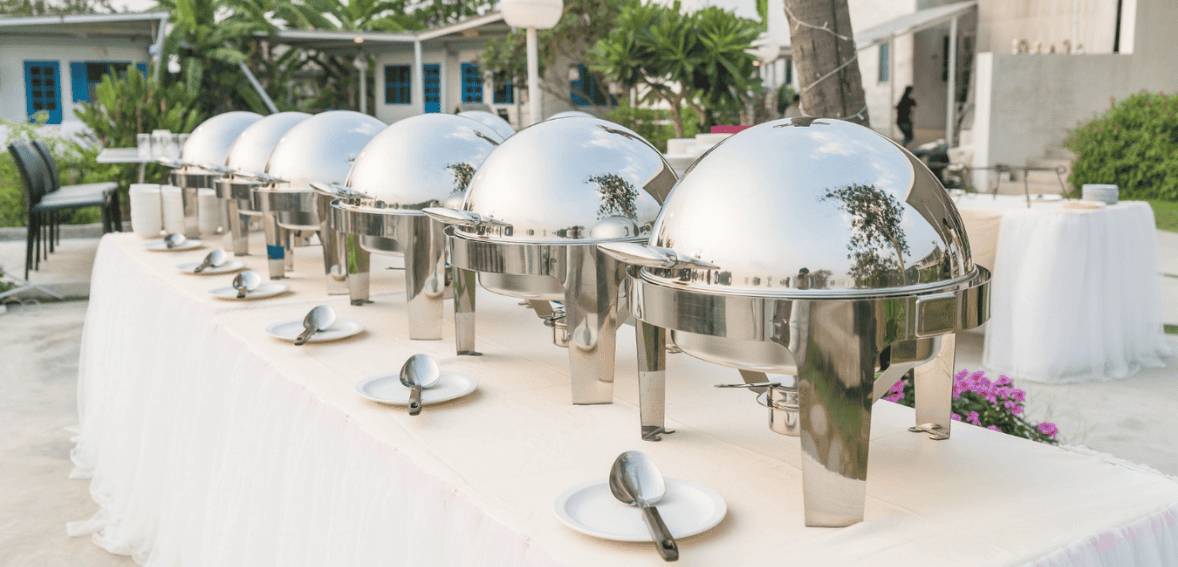
By Jermaine Thomas July 13, 2026
Food is one of the most memorable parts of any event. Whether guests attend a wedding, corporate gathering, birthday celebration, charity fundraiser, product launch, or family reunion, the quality of the dining experience often shapes their overall impression of the occasion. While selecting the menu is an important step, successful catering involves much more than choosing dishes. The location, layout, guest flow, weather conditions, kitchen access, serving style, and event schedule all influence how food should be prepared, transported, and served.
Each setting provides unique advantages and disadvantages. For example, the large space of a ballroom will be different from a garden, roof top, beach, wine yard, or public park. Preparing food for a grand ball held indoors will not be the same as preparing meals for a gathering of many people outside. Being aware of such peculiarities will help organizers to provide a better dining experience to their guests.
A good food service organization should cover all aspects of food preparation including development of the menu, equipment needed, personnel, actual serving, and cleaning after the event. It will ensure that clients get fresh and properly cooled food at the table while giving chefs enough time to organize everything backstage. Whether one plans an event indoors or wants to arrange outdoor catering , organizing food service properly depends on adaptation of the catering method to the particular setting of the event.
Why the Event Space Shapes Every Catering Decision
Many people begin planning an event by selecting a menu, but experienced organisers often start by studying the venue itself. The available space influences almost every catering decision, including equipment requirements, serving methods, food preparation, staffing, storage, and guest movement. A menu that works perfectly inside a hotel banquet hall may require significant adjustments when served at a lakeside celebration or open garden.
The size and design of the event venue also determine how easily catering staff can operate during the event. Wide service corridors, nearby preparation areas, reliable power connections, and convenient loading access all contribute to efficient food service. Limited access points or long distances between preparation areas and dining spaces can increase service times and create operational challenges if not properly planned.
Successful food service planning begins with understanding these physical characteristics before selecting menus or deciding on serving styles. Every venue has strengths that can be maximised through thoughtful preparation, ensuring guests enjoy both the setting and the dining experience.
Understanding the Advantages of Indoor Events
Most event organizers would opt for indoor settings due to the controllability of the environment. This includes temperature, lighting, acoustics, seating arrangement, and food storage, which do not depend on the external environment. As a result, caterers are able to serve a wider range of foods and maintain their quality during the entire period of an event.
One of the advantages of indoor venues is the availability of necessary equipment that helps with catering. Catering services need refrigeration, preparation of foods, electricity, water, and places for dumping garbage. It becomes easy for catering staff to move around the kitchen area without being exposed to different weather conditions and difficult terrain.
Additionally, the controllability of indoor venues makes the work of a caterer easier, as the presentation of foods may be arranged more easily. It may include serving of foods in a buffet form, on plates, desserts, drink bars, etc.
The Unique Appeal of Outdoor Catering
Outdoors events are becoming increasingly popular due to their relaxing environments, beautiful backgrounds, and increased potential for creativity. Gardens, vineyards, beaches, parks, farms, terraces, and even private properties can be great places for an event to take place in order to create memorable experiences for all guests. Good outdoor catering will take advantage of all these possibilities, but at the same time, it will consider the extra planning involved in outdoor dining.
First of all, the fact that events happen outdoors means that there is much more unpredictability involved; weather conditions, winds, sun, bugs, and varying temperatures affect the type of dishes, equipment, storage of the food, and staffing needed. It requires much more preparation from the caterer.
However, despite all this additional work, outdoor catering allows creating memorable dining experiences. Such outdoor elements as barbecue stations, wood-fired cooking, picnics, garden buffets, grilling, and desserts can add to the experience of your guests.
Matching the Menu to the Event Venue
Selecting the right menu requires more than considering guest preferences alone. The chosen dishes must also suit the physical characteristics of the event venue and the available catering infrastructure. Certain meals travel well and remain attractive for extended periods, while others require immediate preparation or precise temperature control that may be difficult in some locations.
For example, elaborate plated meals may work exceptionally well inside banquet facilities equipped with commercial kitchens, whereas outdoor locations often benefit from simpler menus that remain stable during transportation and service. Fresh salads, grilled meats, rice dishes, roasted vegetables, artisan sandwiches, and seasonal desserts frequently perform well across different environments because they maintain quality under varying service conditions.
Effective food service planning balances culinary creativity with practical execution. The most successful menus consider preparation requirements, serving time, guest movement, weather conditions, and available equipment rather than focusing solely on visual presentation or complexity.
Guest Numbers Influence Every Catering Decision
Guest estimates are always required to make efficient catering irrespective of the event place. The number of guests impacts the quantity of food, the number of staff, equipment used, serving stations, seating plans and waste management. Small changes in attendance numbers might greatly impact the catering process.
Big indoor events usually provide enough space to have several buffet stations or plated service due to their closed nature that allows organising the flow of the guests. Outdoor events sometimes need more serving stations to avoid long queues and traffic in open areas. It is important for catering services to know the way guests would move around the venue in order to organise the food serving points properly.
Accurate guest estimates help to make better purchases and minimise the waste of food. Proper estimates ensure guests’ access to food diversity and prevent the creation of excessive food left.
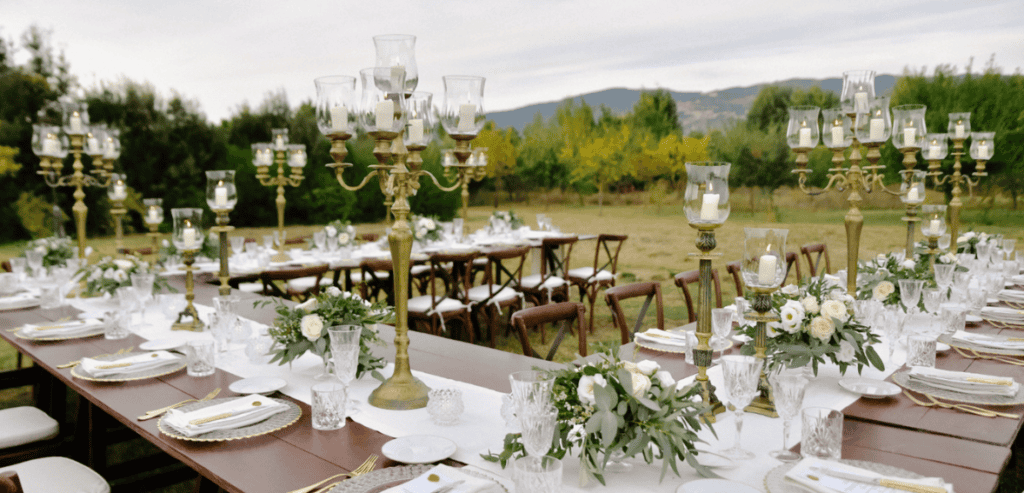
Weather Plays a Major Role in Outdoor Catering
Weather represents one of the most significant variables affecting outdoor dining experiences. Even mild changes in temperature, wind, humidity, or rainfall can influence food quality, guest comfort, and service efficiency. Successful outdoor catering therefore includes contingency planning long before the event begins.
Hot weather requires careful temperature management for chilled foods, dairy products, seafood, and desserts. Cold conditions affect serving temperatures for soups, roasted dishes, and beverages. Wind may influence buffet layouts, table settings, decorative displays, and portable cooking equipment. Rainfall can disrupt guest movement unless covered dining areas or alternative indoor options are available.
Professional caterers prepare backup strategies for changing weather rather than reacting after problems occur. Covered serving stations, insulated food containers, portable refrigeration, temporary shelters, and flexible seating arrangements help maintain smooth operations despite changing outdoor conditions.
Designing Efficient Food Service Flow
Guests’ experiences are not determined solely by the quality of food but also depend on its convenience of delivery. Long lines, overcrowded buffet tables, and poor layout may ruin the experience despite great food menus. Good food service planning will include the analysis of guest movement and the elimination of unnecessary waiting time.
Venue design plays a big part in food service planning. Entries, seating areas, placement of buffet, bar services, and waste disposal places should all contribute to guests’ movement and not hinder it. Wide access paths enable catering staff to replenish the food quickly without disturbing the diners.
Indoor and outdoor events equally require well-planned service zones. Organized space allows for more comfortable circulation and dining at a decent pace. Good service flow also increases productivity of the staff by cutting unnecessary movements during serving time.
Equipment Requirements Differ Between Indoor and Outdoor Spaces
The equipment required for catering differs greatly based on the location. In an indoor venue, there is likely to be kitchen space with all equipment such as fridges, ovens, sinks, electricity points, storage space, which make the process easy. The equipment needed for outdoor venues will need to be brought by the catering company independently.
Effective outdoor catering calls for equipment like portable cooking equipment, insulated transporting boxes, mobile refrigerators, generators, temporary wash rooms, serving tents, and special lighting equipment. Each of this extra equipment has to be transported, set up, maintained and cleared away while adhering to all safety guidelines.
Knowing about these logistics will help the organisers to plan well and prevent any problems. With proper food service planning, all equipment needs will be known from the onset to allow time for preparation.
Maintaining Food Safety Throughout the Event
Food safety remains essential regardless of venue type, but different environments present different risks. Temperature control, hygiene, cross contamination prevention, and proper storage procedures protect both guests and catering teams throughout the event.
For indoor events, stable environmental conditions generally simplify food safety management. Refrigeration, cooking facilities, and protected serving areas remain consistently available throughout service. Outdoor environments require additional vigilance because changing temperatures, insects, dust, and extended transport times may increase food handling challenges.
Professional caterers carefully monitor food temperatures, maintain hygienic preparation practices, and use appropriate storage equipment throughout both indoor and outdoor events. Effective food service planning ensures food remains safe without compromising freshness, flavour, or presentation.
Staffing Needs Depend on the Event Space
The venue influences staffing requirements almost as much as guest numbers. Compact indoor venues often allow fewer staff members to manage food preparation, serving, and clearing because distances between work areas remain relatively short. Larger outdoor locations usually require additional personnel to transport supplies, replenish serving stations, and assist guests across wider spaces.
Staff responsibilities may also differ depending on the setting. Outdoor catering frequently involves additional setup work, weather monitoring, equipment management, and logistical coordination beyond standard food service duties. Indoor venues generally simplify these operational tasks, allowing staff to focus more directly on guest service.
Proper staffing contributes significantly to successful food service planning. Sufficient personnel ensure food remains available, tables stay clean, guests receive assistance promptly, and unexpected situations can be handled without disrupting the overall event.
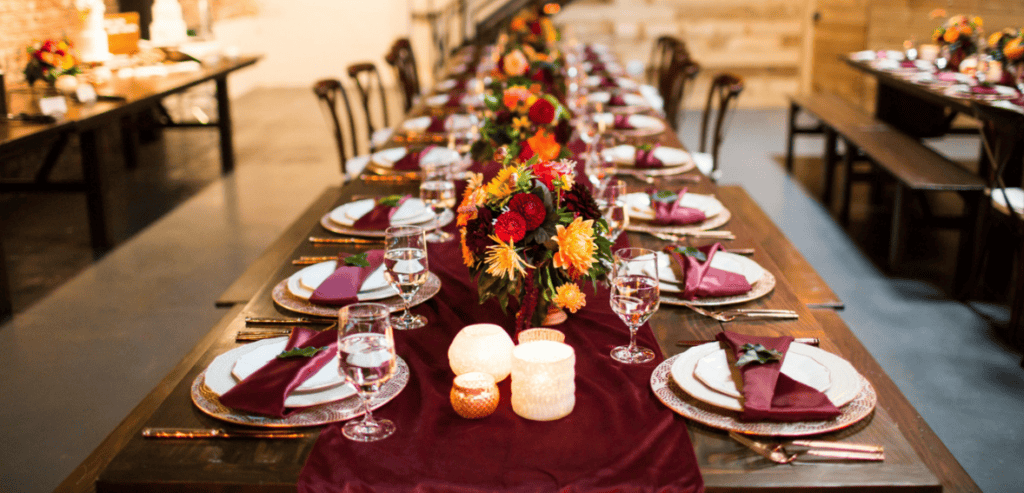
Creating Comfortable Dining Experiences
Comfort influences how much guests enjoy their meals. Seating arrangements, lighting, temperature, accessibility, noise levels, and dining space all affect the overall experience regardless of menu quality. Organisers should therefore evaluate guest comfort as carefully as food selection.
For indoor events, attention often focuses on seating layouts, ventilation, acoustics, and lighting that support relaxed conversation during meals. Outdoor settings require additional consideration of shade, wind protection, heating or cooling solutions, insect management, and stable seating surfaces that remain comfortable throughout the event.
Every event venue presents different opportunities for creating welcoming dining environments. Thoughtful planning ensures guests remain comfortable from the first course to the final dessert, encouraging positive memories of the occasion as a whole.
Sustainability Is Becoming an Important Consideration
Many event organisers increasingly prioritise environmentally responsible catering practices. Sustainable food service benefits both the environment and the event’s overall reputation while often reducing unnecessary costs through improved efficiency.
Local sourcing, seasonal ingredients, reusable serving equipment, careful portion planning, and responsible waste management contribute to more sustainable food service planning. Outdoor events often encourage environmentally friendly approaches because organisers are particularly conscious of protecting natural surroundings after celebrations conclude.
The chosen event venue may also influence sustainability decisions. Venues with recycling facilities, composting programmes, energy efficient kitchens, or partnerships with local suppliers make it easier to reduce environmental impact while maintaining high quality catering standards.
Coordinating Catering with the Event Schedule
Timing is one of the most important aspects of successful catering. Meals should complement the overall event programme rather than interrupt speeches, entertainment, ceremonies, or networking activities. Coordinating food service with the event schedule ensures guests remain engaged while allowing catering staff sufficient time to prepare each course properly.
Both indoor events and outdoor celebrations benefit from detailed timelines shared among organisers, caterers, venue managers, and entertainment providers. Clear communication prevents unnecessary delays while allowing flexibility if the programme changes unexpectedly during the event.
Professional food service planning includes contingency time for setup, preparation, serving, clearing, and unforeseen circumstances. Well coordinated schedules reduce stress for staff while creating a seamless experience for guests.
Technology Is Improving Catering Operations
Digital technology has simplified many aspects of event catering. Online planning tools, guest management software, digital seating charts, inventory systems, and communication platforms help organisers coordinate increasingly complex events with greater accuracy and efficiency.
Many catering companies now use digital systems to monitor inventory, schedule staff, manage dietary requests, and coordinate deliveries to each event venue. These tools improve communication while reducing administrative errors that could otherwise affect food service during busy events.
Technology also supports better food service planning by allowing organisers to analyse attendance patterns, estimate food quantities more accurately, and communicate changes instantly with catering teams. These improvements benefit both organisers and guests throughout the planning process.
Conclusion
Planning food service successfully requires much more than selecting an appealing menu. Every decision should reflect the characteristics of the venue, guest expectations, event schedule, and practical requirements of safe and efficient catering. Whether organising elegant indoor events or memorable outdoor catering, thoughtful preparation creates smoother operations and a more enjoyable dining experience for everyone involved.
The best catering experiences result from careful food service planning that considers venue layout, weather conditions, equipment, staffing, guest movement, menu suitability, and food safety together rather than treating them as separate tasks. Every event venue presents unique opportunities, and understanding these differences allows organisers to create celebrations that feel well organised, welcoming, and memorable.
As events continue becoming more personalised and experience driven, successful catering will remain closely connected to careful planning and adaptability. By matching food service strategies to the specific environment, organisers can ensure guests enjoy not only excellent meals but also a seamless dining experience that enhances the occasion from beginning to end.