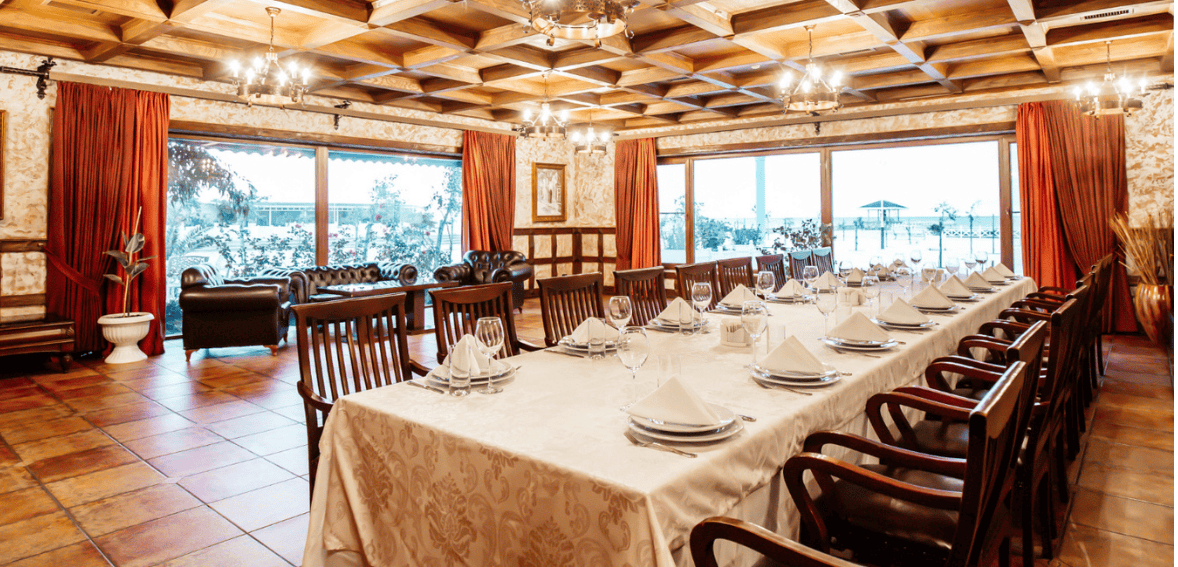
Planning an event includes making numerous decisions; however, one cannot emphasize enough the importance of choosing a venue and a catering company. Food becomes an essential part of almost any event: a wedding, a corporate party, a birthday, an anniversary, or a community event. Unfortunately, many people tend to choose the menu before familiarizing themselves with the rules of the venue they will be using. Each venue establishes certain venue restrictions concerning food preparation and service, vendor regulations, kitchen availability, alcohol service, and cleanup after the event. Such rules can influence your decision when it comes to selecting a catering company and often make you change your initial plan.
Every venue operates according to its requirements and limitations designed to guarantee the safety of all the parties involved, protection of the property, and smooth event management. Although such requirements might sound restrictive at first, there is a way to use them efficiently while making the process of providing meals convenient for your guests. Knowledge of venue requirements in relation to event catering is crucial for successful organization of your event and its positive perception by your guests.
Every Venue Has Its Own Rules
Each venue does not work in exactly the same way. For instance, the ballroom at a hotel will have a completely furnished professional kitchen along with a list of caterers approved by them, whereas at a historic building, there will be no access to open flame at all. Outdoor parks, museums, vineyards, banquet halls, and community centers have different ways of operations which also affect their food service process.
It is vital to find out as much information as possible about a venue before booking a particular place. Some venues make it necessary for you to hire their in-house catering team, while others make it possible for you to work with other catering businesses only under certain circumstances. These restrictions by the venues affect not only the catering process itself but also food delivery and equipment used on-site.
Exclusive Catering Policies Can Limit Your Choices
One of the most common restrictions involves exclusive catering agreements. Many hotels, banquet halls, country clubs, and event centres require clients to use their own catering services or choose from a shortlist of approved vendors. These agreements help venues maintain quality standards and simplify coordination, but they can reduce flexibility for clients who have already selected a preferred caterer.
Exclusive arrangements may also affect menu variety and pricing. While some in house catering teams offer extensive selections, others may have limited cuisines or fixed packages. If your event requires specialised cultural dishes, dietary accommodations, or personalised menus, you may find your choices restricted. Reviewing these policies before booking allows you to compare available catering options and determine whether the venue aligns with your expectations for event catering.
Kitchen Facilities Can Influence the Menu
The venue may not necessarily have all the equipment in the kitchen needed by the caterers. There are venues where there are basic facilities for cooking while other venues lack any kitchen facilities whatsoever. This may limit the menu offered in terms of the type of dishes you can have.
There are certain types of foods that can only be cooked at the venue in order to ensure that the taste remains fresh. The lack of a full-fledged kitchen facility may force the caterers to cook in advance and bring the foods to the venue.
Restrictions on Cooking Equipment
Venue policy restrictions on cooking equipment are quite stringent in many instances. This restriction involves the use of open fires, barbecues, frying pans, gas cylinders, wood-fired ovens, and portable cookers. Such restrictions are very common in indoor venues and ancient buildings.
The venue restrictions on cooking equipment may force the caterer to adopt other cooking procedures or even reduce some of the menu dishes. However, despite these restrictions seeming limiting at first, there are always ways out of it, since the best caterers know how to make use of what is available to get excellent results.
Food Safety Standards Must Always Be Followed
Maintaining food safety is always an important obligation in any event. The venues set up certain health and hygiene standards that should be met by all the catering services. The standards might involve such aspects as food temperature, sanitation, waste removal, and personal hygiene of the staff. Professional caterers usually know about these standards; however, venues sometimes may have their own procedures according to their needs or policy. Venue standards help not only the visitors and organizers of events stay healthy but also ensure smooth running of catering in the event.
Guest Numbers Can Affect Catering Plans
Every venue has a maximum occupancy limit based on safety regulations. These capacity limits influence seating arrangements, serving stations, buffet layouts, and staffing requirements. As guest numbers increase, catering logistics become more complex.
For example, a venue with limited space may not accommodate multiple buffet stations or live cooking counters. Instead, plated meals or simplified buffet arrangements may provide a better solution. Understanding occupancy guidelines allows planners to select appropriate catering options that maintain guest comfort while respecting the venue’s operational limits.
Alcohol Service May Be Regulated
Many event venues have specific rules governing alcohol service. Some require beverages to be supplied exclusively by the venue, while others permit outside vendors only with proper licences and insurance. Certain locations prohibit alcohol entirely due to local laws or organisational policies.
These venue restrictions can influence menu planning because food and beverage service are closely connected. Caterers often adjust menus to complement available drink selections or develop alcohol free alternatives for venues where restrictions apply. Discussing these policies early helps avoid confusion and ensures compliance throughout the event.
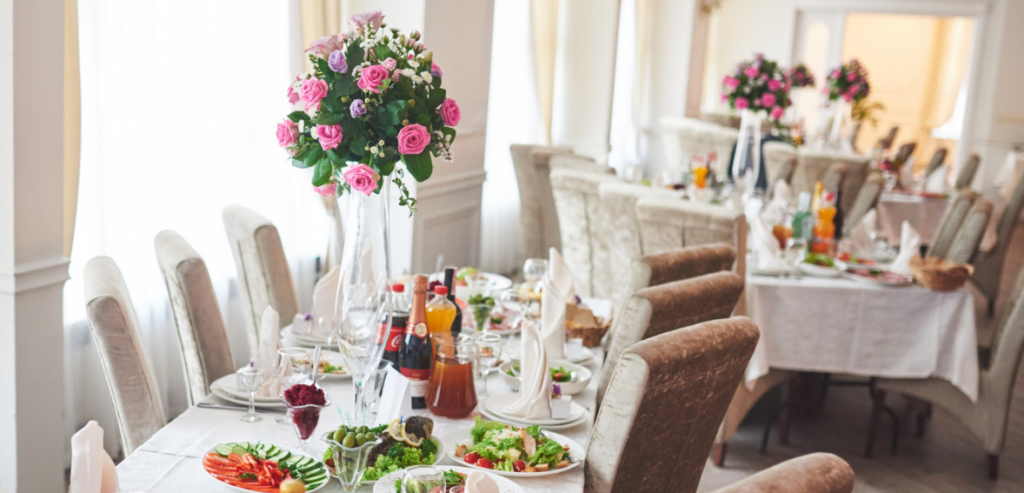
Vendor Access Can Impact Event Timing
Access schedules tend to be overlooked by event planners but play a crucial role in the management of the catering process. Most venues have set time periods when the deliveries should be made, thus reducing the time available for setup and preparation. In addition, some venues do not permit the entrance of vehicles during high traffic times or even demand the transport of equipment over greater distances.
Such complications could force the caterer to cook the food ahead of time or adjust the setup process. Proper planning becomes a necessity if such a narrow window of opportunity is being utilized.
Noise and Environmental Policies May Affect Service
Certain venues, particularly outdoor spaces, residential locations, museums, and heritage sites, maintain strict noise and environmental regulations. These policies may restrict generators, amplified announcements, outdoor cooking equipment, or late evening service.
While these rules primarily affect entertainment, they can also influence event catering. Caterers may need quieter equipment, adjusted serving schedules, or modified kitchen operations to comply with venue guidelines. Flexible planning helps ensure that food service continues smoothly without disrupting the venue’s environment or neighbouring properties.
Special Dietary Needs Require Early Planning
Modern events often include guests with diverse dietary requirements. Vegetarian, vegan, gluten free, dairy free, nut free, halal, kosher, and allergy sensitive meals have become increasingly common. Accommodating these needs requires careful coordination between the venue and catering provider.
Some venues have limited preparation facilities that make it difficult to prevent cross contamination between different meal types. Discussing dietary needs well in advance allows caterers to create suitable menus while meeting all venue requirements. This proactive approach improves guest satisfaction and demonstrates thoughtful event planning.
Presentation Can Be Influenced by Venue Design
The physical layout of a venue plays an important role in food presentation. Large banquet halls may accommodate elaborate buffet displays, while smaller venues require more compact serving arrangements. Outdoor locations may need weather resistant equipment, while historic buildings often restrict decorative installations that could damage the property.
Rather than viewing these limitations negatively, skilled caterers adapt their presentation styles to complement the venue. Creative serving techniques, elegant table arrangements, and efficient layouts help maximise available space while maintaining visual appeal. The best catering options often combine attractive presentations with practical considerations that suit the venue.
Budget Considerations Linked to Venue Restrictions
Venue policies can also influence the overall catering budget. If outside vendors are prohibited, clients may have fewer opportunities to compare pricing. Additional charges for kitchen access, cleaning services, security, waste removal, or equipment rentals can further increase costs.
Understanding these financial implications before signing contracts helps prevent unexpected expenses later. Careful budgeting should include both catering costs and any venue related fees associated with food service. Comparing venues based on both rental charges and venue restrictions provides a more accurate picture of total event expenses.
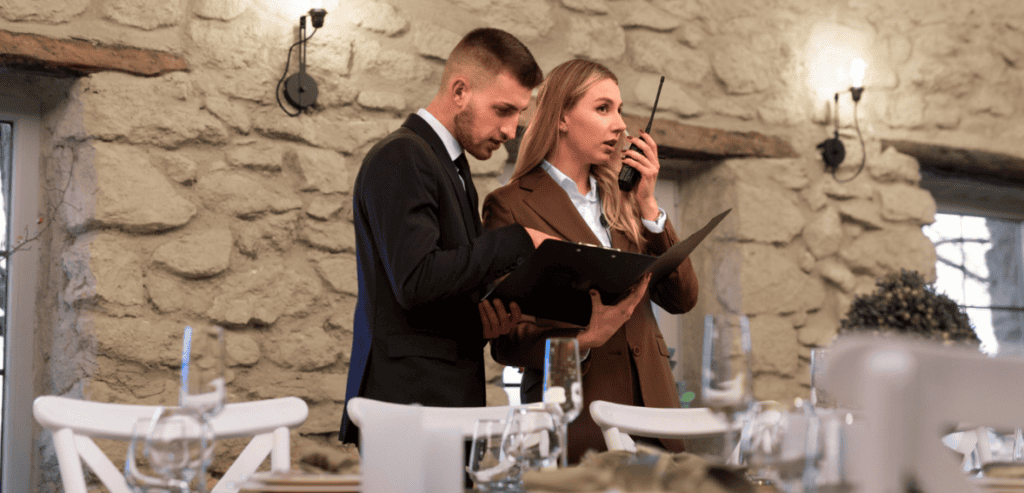
Communication Is the Key to Successful Event Planning
Many catering related challenges can be avoided through early communication. Event organisers should involve both the venue management and catering provider during the planning process rather than discussing each separately. Open communication allows everyone to understand expectations, identify potential conflicts, and develop practical solutions.
Site visits are particularly valuable because they allow caterers to inspect kitchen facilities, delivery routes, storage areas, electrical connections, and serving spaces. These visits help clarify venue requirements while reducing the likelihood of surprises during the event. Strong collaboration leads to smoother event catering and a better experience for everyone involved.
Choosing the Right Venue for Your Catering Vision
Selecting the perfect venue involves more than choosing an attractive location. The venue should support your desired dining experience rather than limit it unnecessarily. Before making a final decision, ask detailed questions about catering policies, vendor access, kitchen facilities, service hours, cleaning responsibilities, equipment restrictions, and dietary accommodations.
Comparing multiple venues allows you to balance atmosphere, convenience, budget, and flexibility. In many cases, choosing a venue that offers greater freedom can provide better long term value than selecting a more restrictive location with lower rental costs. Evaluating both the venue itself and the available catering options ensures that your overall event vision remains achievable.
Conclusion
Every successful event depends on careful coordination between the venue and the catering team. While venue restrictions may initially appear limiting, they are often designed to protect guests, preserve property, and maintain efficient operations. Understanding these policies early allows organisers to make informed decisions about menus, service styles, vendor selection, and overall event planning.
The most successful events are those where event catering is planned with a clear understanding of all venue requirements from the beginning. By asking the right questions, communicating openly with vendors, and selecting practical catering options, organisers can avoid unnecessary complications while creating enjoyable dining experiences for every guest. With thoughtful preparation and flexibility, venue rules become manageable considerations rather than obstacles, allowing your event to run smoothly while delivering memorable food and exceptional hospitality.