By Jermaine Thomas June 4, 2026
Food has long been the central focus of catering conversations, with beverage selection treated as a supporting element that fills glasses and accommodates basic preferences without receiving the same creative attention as the menu. That treatment is changing, and the change is being driven by clients and guests who have developed more sophisticated beverage expectations through their exposure to craft cocktail culture, specialty coffee, artisan non-alcoholic options, and the growing awareness that what is in the glass shapes the experience of what is on the plate in ways that generic bar service simply does not capture.
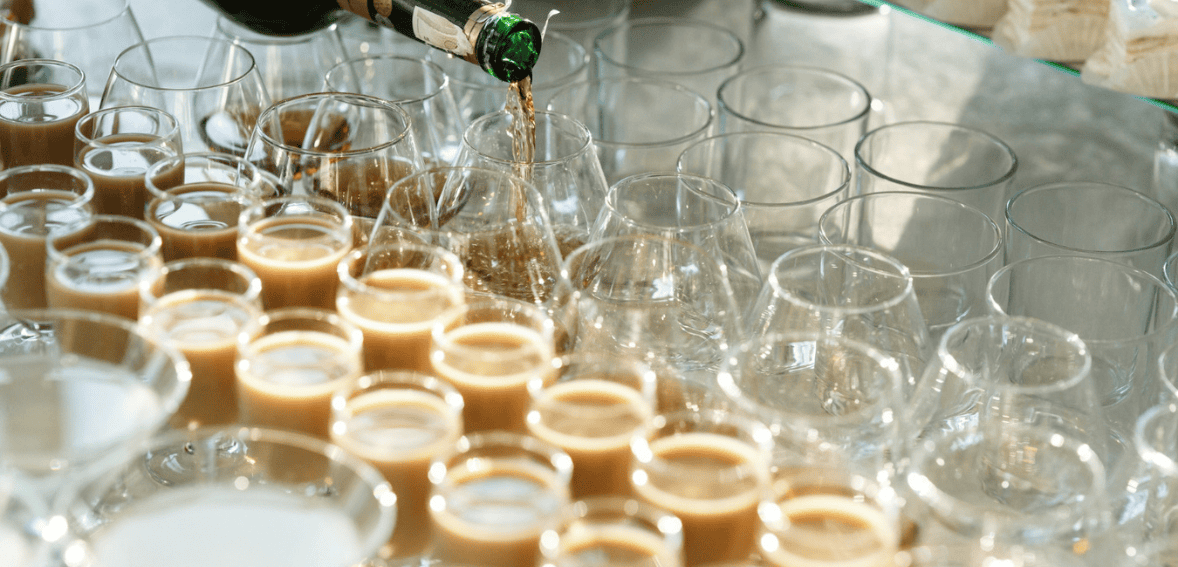
Beverage station catering has evolved from a bar cart with standard spirits and a wine selection into a genuinely designed element of the event experience that can match the culinary ambition of the food program, create interactive moments that draw guests together, and communicate something specific about the host’s taste and intentions for the event.
Cocktail bar catering at the level that current market expectations demand involves bartenders who are genuine mixologists rather than pour-and-serve service staff, house-made syrups and infusions that create flavor profiles unavailable from commercial products, and presentation that reflects the same attention to visual storytelling that contemporary food plating expresses. Drink pairing events that match specific beverages to specific courses or food stations create a coherence between what guests are eating and drinking that elevates both experiences beyond what either would achieve independently.
Mixology catering trends that reflect the current state of the beverage industry include the extraordinary growth of premium non-alcoholic alternatives, the revival of classic cocktail traditions alongside modernist techniques, and the increasing importance of local and seasonal ingredients in beverage programs that parallel the farm-to-table movement in food catering.
Understanding what genuinely excellent beverage programming looks like in an event context, how to design drink pairings that work practically at scale, and what the most compelling specialty drink station formats offer to guests and hosts provides the foundation for approaching the beverage dimension of event catering with the creative ambition it deserves.
Why Beverage Stations Create Event Energy
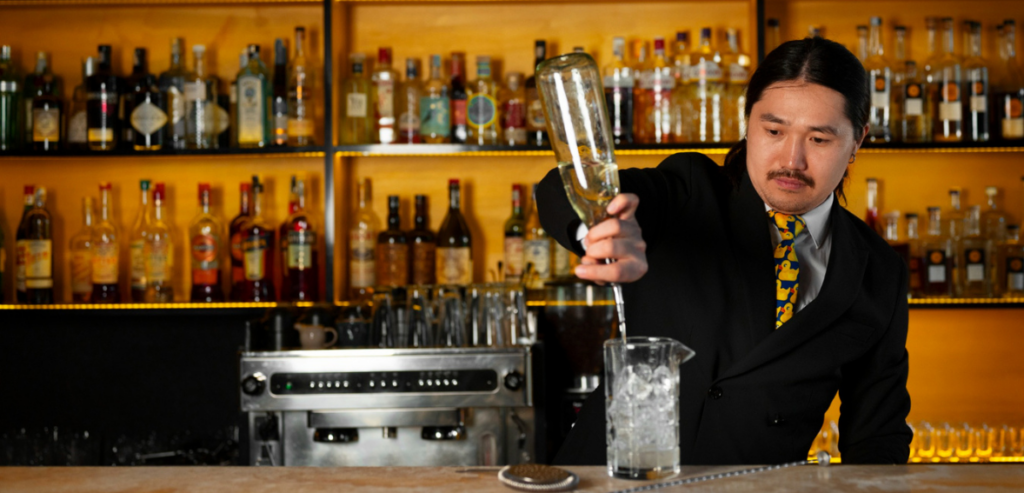
The social dynamics of a well-designed beverage station are fundamentally different from those of a conventional bar, because a station that is genuinely interesting to interact with becomes a natural gathering point where guests who might not otherwise connect find themselves sharing an experience. A craft cocktail station where a skilled bartender is making drinks to order with visible technique, interesting ingredients, and genuine craft creates a theatrical element that draws guests into proximity and conversation in ways that a self-service wine station cannot replicate.
A beverage station catering setup which is created as an interactive social activation instead of being merely a service function will create the natural networking environment which event organizers want to generate because the shared experience of seeing a beautiful cocktail being mixed or tasting an unusually good combination of flavors creates the content which those people attending are looking for when speaking with each other.
The idea of a station itself; which invites attendees to come up and ask questions, observe and make decisions as opposed to just accepting what is served to them – creates an active atmosphere which leads to memorable beverage experiences that passive bartending services do not necessarily provide. A cocktail bar catered experience involving a story element from a bartender, who would tell the guests where he got his special spirit or how he came up with this particular cocktail recipe, will be even more interesting to the modern day curious consumer.
Designing Drink Pairings That Work at Event Scale
Drink pairing events face a specific practical challenge that distinguishes them from restaurant beverage pairing programs, which is that the one-to-one service dynamic of a restaurant tasting menu with paired wines does not translate directly to an event context where dozens or hundreds of guests are moving through the space at different times and in different combinations. Practical beverage pairing at events requires designing the pairing concept around the specific format of the food service rather than imposing a restaurant pairing model on an event context where it creates operational complexity without delivering the guest experience it promises.
In case of cocktail reception event formats that feature passed canapés as well as food stations, the idea of beverage pairing should be reflected in the development of beverage service such a way that it would reflect the taste character of the food served, rather than the specific beverage-food pairings, since it is impossible for guests to follow specific sequences due to their mobility while choosing what to eat and drink. In case of the former option, the beverage menu might include drinks that have an acid character and thus would perfectly complement the seafood-based canapés, as well as umami-imbued cocktails reflecting the taste character of charcuterie-and-cheese-station food.
As the trend of mixology catering in beverages has demonstrated, the character-oriented beverage pairing is gradually gaining its foothold compared to the course-wise pairings, since the latter create operational complexities related to controlling the movement of guests. As far as the plated dinners are concerned, the latter is a much more practical choice, due to the fixed service process.
Non-Alcoholic Programming as a Full Beverage Experience
The non-alcoholic beverage dimension of event catering has experienced one of the most significant transformations of any catering category in recent years, driven by the growth of sober-curious consumer culture, the extraordinary improvement in the quality and variety of premium non-alcoholic spirits and wines, and the culinary ambition that a new generation of mixologists is bringing to the design of non-alcoholic cocktail programs.
Beverage station catering that treats non-alcoholic options as an afterthought, offering sparkling water and perhaps a juice alongside the cocktail bar, is failing both the guests who do not drink alcohol and the overall event beverage experience, because a thoughtfully designed non-alcoholic cocktail program can be as visually compelling, as flavor-complex, and as interactive as any alcoholic program.
High-end non-alcoholic spirits, such as Seedlip, Lyre’s, and various other brand-specific options, offer the complexity and botanical profiles that lend themselves to making cocktails an exciting option in their own right, instead of being simple juice cocktails with complex-sounding names. The house-made shrubs, fermented non-alcoholic beverages such as kombucha and kefir, juices, and infused sparkling water all add up to ingredients that can be used by innovative mixology for non-alcoholics as well. Non-alcoholic drinks served equally creatively in elegant glassware with equal levels of service as alcoholic offerings create an impression of inclusion that is keenly felt by guests who abstain from alcohol consumption.
Specialty Coffee and Tea Stations
The specialty coffee and tea station is one of the most versatile and most consistently successful beverage station formats in event catering, because coffee and tea occupy an unusual position in the beverage landscape as offerings that are simultaneously familiar and capable of genuine artisanal distinction that elevates them well above the commodity experience most guests have come to expect from event coffee service.
Cocktail bar catering that adds a specialty coffee station to the beverage program creates a sober option that is genuinely interesting rather than simply available, serving both non-drinkers who want a distinctive beverage experience and coffee enthusiasts who appreciate the opportunity to experience single-origin pour-over or nitro cold brew in an event context.
The visual and interactive character of specialty coffee preparation, whether through a pour-over bar where guests can select from different single-origin options and watch the preparation process, an espresso station where skilled baristas make drinks to order, or a cold brew tap wall that dispenses multiple cold coffee preparations on draft, creates the same kind of focal energy as a craft cocktail station.
Specialty tea stations that present a curated selection of premium loose-leaf teas with temperature-specific brewing protocols, served in beautiful teaware that communicates the quality of the product, offer a similarly distinctive alternative to the ubiquitous tea bag at an event. Mixology catering trends increasingly include tea-based cocktail and mocktail programs that use brewed teas as the base for both alcoholic and non-alcoholic drinks, creating a bridge between the specialty tea station and the cocktail program that unifies the beverage experience.
Seasonal and Local Ingredient Integration
Beverage station catering that draws on the same seasonal and local ingredient sourcing philosophy that has transformed the best food catering creates a coherence between the food and beverage programs that communicates genuine culinary intention. A summer event beverage program built around locally sourced stone fruits, fresh herbs from regional farms, and house-made preparations that preserve seasonal flavors at their peak tells a specific story about the host’s relationship with food and place that generic commercial products cannot replicate.
Seasonal drink pairings that revolve around seasonal foods have inherent synergy and dialog between the food and drink components because the very same components appear in both, making it resonate even stronger compared to the situation when each one works independently and remains in its own parallel dimension.
The mixology catering concept that involves homemade syrups, shrubs, and infusions based on seasonal and local products implies a certain effort and investment ahead of time, and this effort and investment become evident in terms of flavor and quality of beverages consumed at the event. Additionally, the story behind the seasonal and local beverage concept is a true dialog for bartenders because they have an opportunity to describe where particular ingredients were sourced from and how particular drinks were created.
Conclusion
Beverage station catering that reflects the same creative ambition and professional craft as the food program transforms the event beverage experience from a logistical necessity into a genuine highlight. Cocktail bar catering delivered by skilled mixologists using interesting ingredients and house-made preparations creates interactive social energy that generic bar service cannot. Drink pairing events designed with attention to the practical constraints of event formats rather than importing restaurant pairing models that do not translate to event scale achieve the coherence between food and beverage that elevates the overall experience.
Mixology catering trends toward premium non-alcoholic programming, seasonal and local ingredient integration, and specialty coffee and tea stations reflect the sophistication of current event guest expectations and the creative ambition of the best beverage professionals working in the event catering space. The host who invests in genuinely excellent beverage programming is investing in one of the most remembered and most discussed elements of the guest experience, because what people drank and how it was served is as much a part of the event memory as what they ate.