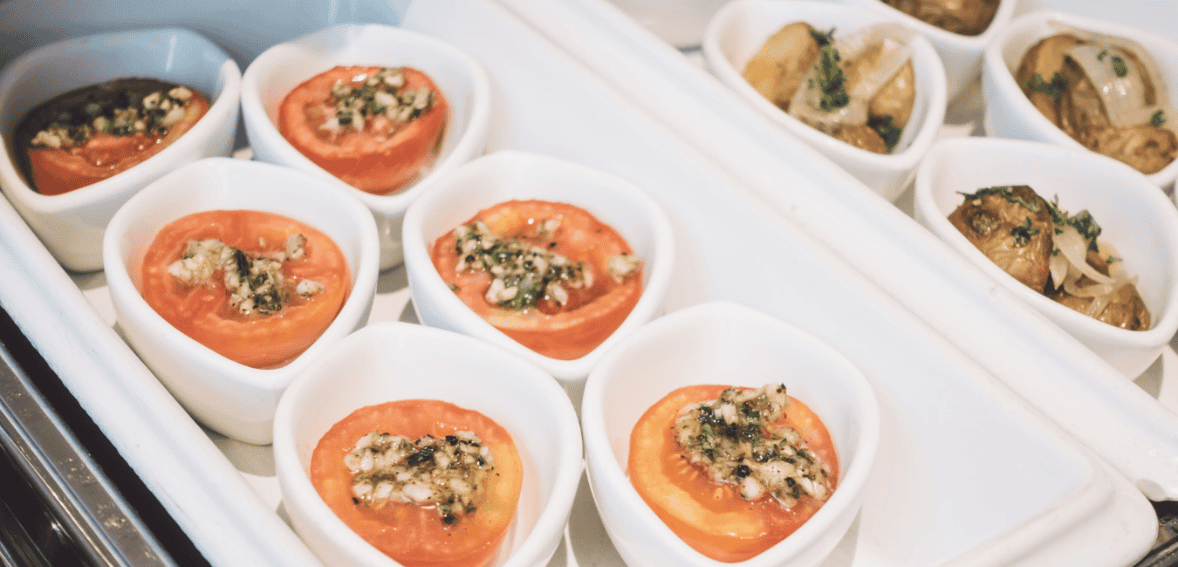
The way people experience food at events has changed significantly over the past decade. Dining is no longer limited to simply serving meals to guests. Today, it has become an integral part of the overall event experience, where presentation, interaction, and storytelling matter just as much as taste. Guests expect more than just good food. They want to be engaged, entertained, and involved in the process.
This shift has given rise to experiential catering, where food becomes a central element of the event narrative. Instead of traditional buffet lines or plated meals, hosts are now exploring creative formats that encourage participation and interaction. These immersive food experiences are transforming events into memorable occasions, making catering not just a service but a highlight of the entire gathering.
Understanding the Shift Toward Experiential Catering
Experiential catering is rooted in the idea that dining should be engaging and multisensory. It focuses on creating moments that guests can see, feel, and participate in, rather than simply consume. This approach aligns with broader experiential catering trends, where the emphasis is on delivering unique and memorable experiences.
One of the key drivers of this shift is changing consumer expectations. People today value experiences over material possessions, and this extends to how they approach events. Whether it is a wedding, corporate function, or private celebration, guests are looking for something that stands out. Interactive dining events meet this demand by offering a dynamic and engaging alternative to traditional catering formats.
Another factor is the influence of social media. Visually appealing and interactive setups are more likely to be shared online, which adds an additional layer of value for hosts. This has encouraged caterers to innovate and create setups that are not only functional but also visually striking and shareable.
What Defines an Interactive Dining Experience
An interactive dining experience is characterized by active participation from guests. Instead of being passive recipients, guests become part of the dining process. This can take many forms, from live cooking stations to customizable food options and themed presentations.
Interactive dining events often include elements such as chef-led demonstrations, build-your-own meal stations, or tasting journeys. These setups allow guests to engage with the food and the people preparing it. This interaction creates a sense of connection and makes the dining experience more personal.
Immersive food experiences also involve attention to detail in presentation and ambiance. Lighting, decor, and storytelling are used to create a cohesive theme that enhances the overall experience. This integration of food and environment is a key aspect of modern event catering, as it transforms dining into a complete sensory journey.
The Role of Creativity in Modern Event Catering
Creativity is at the heart of experiential catering. Caterers are constantly exploring new ways to present food and engage guests. This includes experimenting with different cuisines, presentation styles, and service formats. The goal is to create something that feels fresh and exciting.
One of the ways creativity is expressed is through themed dining experiences. For example, an event might feature a street food theme, where guests can explore different cuisines through interactive stalls. Alternatively, a fine dining experience might include multiple courses presented in unique and unexpected ways.
Modern event catering also incorporates elements of entertainment. Chefs may perform live cooking demonstrations, or food may be presented in innovative formats such as edible art installations. These elements add an extra layer of engagement and make the dining experience more memorable.
Popular Formats in Experiential Catering
There are several formats that have gained popularity in experiential catering. Live cooking stations are one of the most common, allowing guests to watch chefs prepare dishes in real time. This not only adds transparency but also creates a sense of excitement and anticipation.
Another popular format is the build-your-own station, where guests can customize their meals according to their preferences. This approach caters to diverse tastes and dietary requirements, making it a practical and engaging option. It also encourages interaction, as guests can experiment with different combinations.
Tasting journeys are another example of immersive food experiences. These involve a series of small dishes that guests can explore at their own pace. Each dish may represent a different cuisine or concept, creating a narrative that unfolds throughout the event. These formats reflect current experiential catering trends, where variety and exploration are key elements.

Enhancing Guest Engagement Through Food
Food has always been a central part of social gatherings, but experiential catering takes this a step further by making it a tool for engagement. Interactive dining events encourage guests to move around, interact with each other, and explore different options. This creates a more dynamic and lively atmosphere.
Engagement is also enhanced through storytelling. Each dish can have a story behind it, whether it is inspired by a particular culture or created using unique techniques. Sharing these stories adds depth to the experience and makes it more meaningful for guests.
Immersive food experiences also appeal to multiple senses. The visual appeal of the setup, the aroma of freshly prepared dishes, and the taste of the food all contribute to a richer experience. This multisensory approach is a defining feature of modern event catering.
The Importance of Personalization in Catering
Personalization is becoming increasingly important in experiential catering. Guests appreciate experiences that feel tailored to their preferences and needs. This can be achieved through customizable menus, interactive stations, and flexible service formats.
For example, dietary preferences and restrictions can be accommodated more effectively through interactive setups. Guests can choose ingredients and preparation methods that suit their requirements, making the experience more inclusive. This is particularly important in diverse gatherings where preferences may vary widely.
Personalization also extends to the overall theme and presentation. By aligning the catering with the event’s theme, hosts can create a cohesive and memorable experience. This approach is a key aspect of experiential catering trends, as it emphasizes individuality and attention to detail.
Technology and Innovation in Experiential Catering
Technology is playing an increasingly important role in shaping the future of catering. From digital menus to interactive displays, technology is being used to enhance the dining experience. These innovations make it easier for guests to explore options and engage with the food.
For example, augmented reality can be used to provide additional information about dishes, while digital ordering systems can streamline the process of customization. These tools add a modern touch to interactive dining events and make them more efficient.
Technology also supports the operational side of modern event catering. It helps caterers manage logistics, track preferences, and ensure consistency. This allows them to focus more on creativity and guest engagement, which are central to immersive food experiences.

Challenges in Delivering Interactive Dining Experiences
While experiential catering offers many benefits, it also comes with challenges. One of the main challenges is logistics. Interactive setups require careful planning and coordination to ensure smooth execution. This includes managing space, timing, and staffing.
Another challenge is maintaining quality and consistency. With multiple stations and customizable options, it can be difficult to ensure that every dish meets the same standards. This requires skilled staff and efficient processes.
Cost can also be a consideration. Experiential catering often involves additional elements such as decor, technology, and specialized equipment. However, many hosts see this as a worthwhile investment due to the value it adds to the event. Despite these challenges, the benefits of immersive food experiences often outweigh the difficulties.
The Growing Demand for Experiential Catering
The demand for experiential catering continues to grow as more people seek unique and memorable experiences. This trend is evident across different types of events, from weddings and corporate gatherings to private parties and public festivals.
One of the reasons for this growth is the increasing importance of guest experience. Hosts are looking for ways to make their events stand out and leave a lasting impression. Interactive dining events provide a solution by offering something different from traditional catering formats.
Experiential catering trends also reflect broader changes in consumer behavior. People are more willing to invest in experiences that create lasting memories. This has created opportunities for caterers to innovate and expand their offerings.
The Future of Interactive Dining and Catering
The future of experiential catering looks promising as innovation continues to drive the industry forward. New formats, technologies, and concepts are constantly emerging, offering endless possibilities for creativity. This ensures that the industry remains dynamic and adaptable.
Sustainability is also expected to play a larger role in modern event catering. Eco-friendly practices, such as reducing waste and using locally sourced ingredients, are becoming increasingly important. These practices can be integrated into interactive setups, adding another layer of value.
As immersive food experiences continue to evolve, the focus will remain on creating meaningful and engaging interactions. This will require a balance of creativity, technology, and practicality. Caterers who can achieve this balance will be well-positioned to succeed in the future.
Conclusion
Interactive dining experiences are redefining the way people approach catering. By combining creativity, engagement, and personalization, experiential catering is transforming events into memorable occasions. It offers a unique way to connect with guests and create lasting impressions.
From live cooking stations to customizable menus and immersive setups, the possibilities are endless. As experiential catering trends continue to grow, they will shape the future of the industry and set new standards for what guests expect.
Modern event catering is no longer just about serving food. It is about creating experiences that resonate with people and leave a lasting impact. By embracing interactive dining events and focusing on immersive food experiences, hosts and caterers can elevate their events and deliver something truly special.