
Planning an event frequently seems like a delicate balancing act between accuracy and uncertainty. Even after months of planning, double-checking guest lists, and finalizing every last detail, last-minute changes can cause your plans to fall apart. Unexpected cancellations by guests, unannounced arrivals by friends, and problems with weather or travel...
Avoiding Catering Waste: Smart Portioning and Leftover Strategies

In the world of catering, too much food means waste, too little means disappointed guests. Finding the balance is both a science and an art. With rising food costs and increased awareness around sustainability, the focus is on smarter planning, portioning and managing leftovers. From weddings and corporate lunches to...
Next-Day Catering Prep: Reduce Kitchen Time, Cut Costs, and Serve Fresh

In the fast-paced world of catering, efficiency and freshness often feel like a balancing act. Clients expect delicious, just-cooked meals served on time, regardless of location, size of event, or last-minute changes. At the same time, catering teams face tight timelines, rising food costs, and increasing labor shortages. That’s why...
Menu Customization for Price and Preference: A Balancing Act That Works

Food is often the heart of any event. Whether it’s a wedding, corporate gathering, birthday, or charity dinner, what’s served on the plate plays a central role in shaping the experience. But in today’s diverse, budget-conscious world, planning an event menu isn’t just about flavor. It’s also about affordability and...
DIY Decor and Display Hacks to Enhance Presentation on a Budget

When planning any event, whether it’s a backyard party, small business showcase or community gathering, presentation is key. How a space looks and feels sets the tone for the experience. But you don’t have to break the bank to create a show-stopping setup. With a little creativity and planning you...
Behind-the-Scenes Catering Budgeting: How Caterers Plan for Quality Within Cost Limits

Behind every beautifully presented dish at a wedding, corporate lunch or private function lies a web of decisions that balance quality and cost. Guests will remember the flavour, aroma and visual appeal of their meal but caterers will remember the spreadsheets, calculations and supplier calls that made it all happen....
Seasonal and Local Catering: How Nature’s Calendar Lowers Your Catering Bill
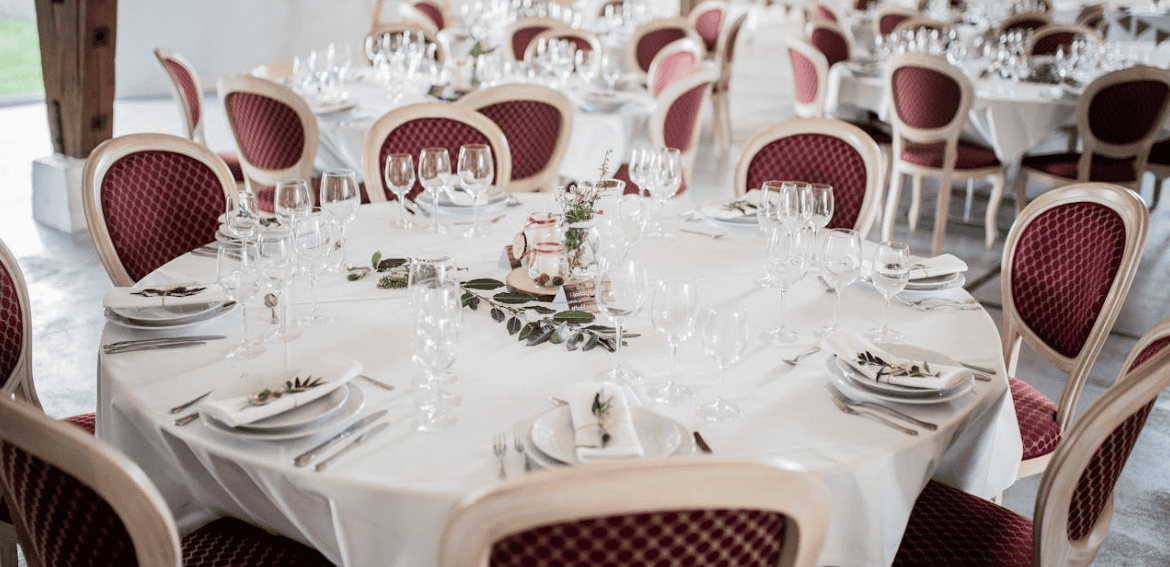
Food is at the heart of every event, whether it’s a corporate function, a wedding or a backyard party. But behind every beautifully presented platter is the question of cost. Catering is often one of the biggest expenses in event planning. But did you know what’s in season and grown...
Buffet vs. Plated: Which Catering Style Saves More Without Sacrificing Experience?

Choosing the right catering style can make or break your event, both in terms of guest satisfaction and budget. Whether you’re planning a wedding, corporate luncheon or milestone celebration, the decision between buffet and plated service affects not just the flow of the event but also the budget and overall...
Budget Ingredient Swaps That Cut Costs Without Cutting Quality

Every kitchen, whether in a home, café or high-end catering business, is under pressure to manage costs. Rising food costs, seasonal supply issues and changing customer preferences make it harder to maintain profit margins and culinary standards. But there’s a smart solution that doesn’t involve cutting corners – thoughtful ingredient...
Bulk Orders, Better Deals: Maximizing Vendor Relationships in Catering
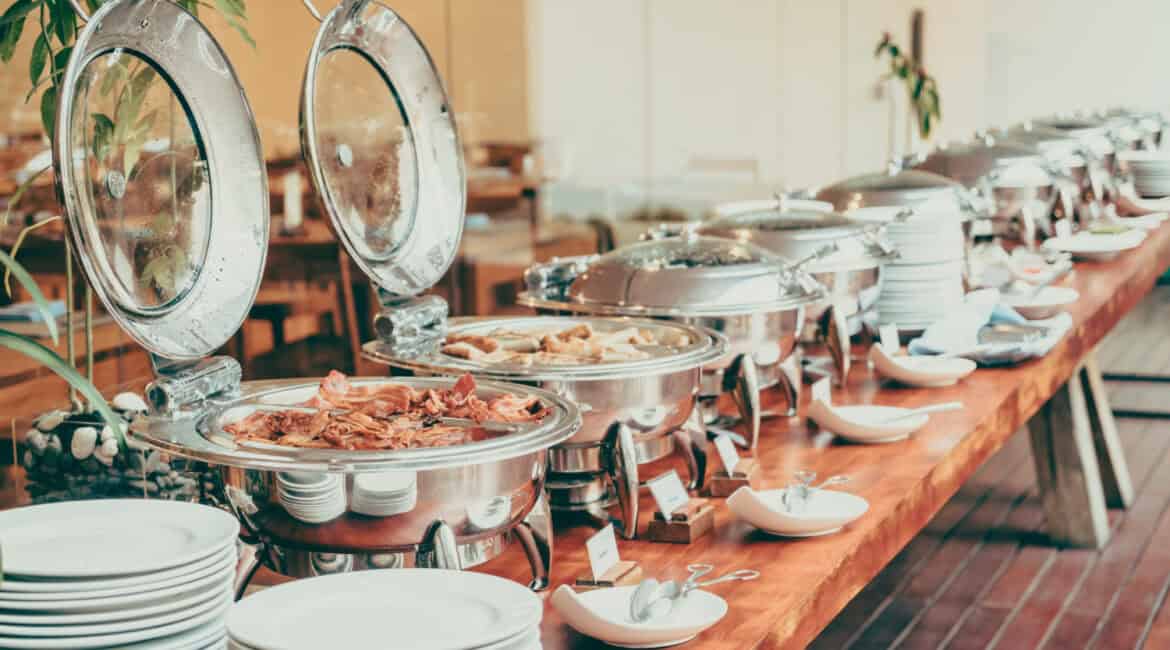
Catering is a business of details. From timing and menus to dietary preferences and portion sizes, everything needs to align perfectly to deliver a seamless event. But behind the scenes, another layer determines whether a catering business thrives or struggles; how well it manages its supply chain. In particular, the...